
.jpeg)
A comprehensive introduction to the clinical application of belumosudil (belumosudil)
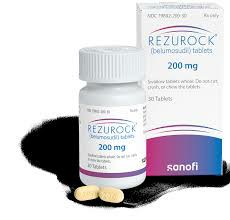
Belumosudil (Belumosudil) is an oral small molecule Rho related protein kinase 2 (ROCK2) inhibitor. In recent years, it has shown important clinical application value in immune-related diseases and some fibrotic diseases. As a new type of targeted drug, besudil is mainly approved for the treatment of chronic graft-versus-host disease (chronic GVHD), especially for refractory patients who have failed multiple lines of treatment. As more clinical studies are carried out, the scope of indications and potential applications of the drug are gradually expanding, which has attracted widespread attention from the medical community.
1. Mechanism of action
The core mechanism of Besudil is to selectively inhibit the activity of ROCK2 kinase. ROCK2 is a cell signaling molecule involved in a variety of physiological and pathological processes, including cytoskeleton regulation, inflammatory signaling, T cell activation, fibrosis response, etc. In diseases such as chronic GVHD, systemic sclerosis, and pulmonary fibrosis, the ROCK2 signaling pathway is abnormally active, promoting the development of immune disorders and tissue fibrosis.
Besudil restores immune homeostasis by inhibiting ROCK2, regulating the ratio of Th17/Treg cells, inhibiting the release of inflammatory factors such as IL-17. At the same time, it can also intervene in the activation of fibroblasts and collagen deposition, thereby slowing down the process of fibrosis. It is precisely based on this dual mechanism of action that Besudil has demonstrated significant efficacy in immunoinflammatory diseases.
2. Clinical application
1.Chronic graft-versus-host disease (cGVHD)
The earliest approved indication of besudil was chronicGVHD. This disease is common in patients after allogeneic hematopoietic stem cell transplantation. It is a chronic immune response caused by the donor's immune cells attacking the recipient's normal tissues. Besudil was studied in a pivotal Phase III clinical trial called ROCKstar in patients with cGVH who had failed at least two previous systemic treatments. Dpatients were treated and showed a high overall response rate (ORRapproximately 75%), with improvements in multiple involved organs (such as skin, lungs, liver).
In addition, the drug has a short onset of action, generally mild adverse reactions, and is well tolerated by patients, bringing new breakthroughs in the treatment of cGVHD.
2.Systemic sclerosis and pulmonary fibrosis
Although still in clinical research, besudil has shown potential in treating systemic sclerosis-related pulmonary fibrosis. It prevents excessive proliferation and collagen deposition of lung interstitial cells by inhibiting ROCK2, helping to reduce the progression of pulmonary fibrosis. If future research results continue to verify its efficacy, besudil may become an important treatment for various fibrotic diseases.
3.Potential applications in autoimmune diseases
ROCK2The signaling pathway is closely related to multiple autoimmune diseases (such as systemic lupus erythematosus, psoriasis, inflammatory bowel disease). Although besudil has not yet been officially approved for these indications, relevant early-stage research is being actively carried out and is expected to expand its scope of immunomodulatory applications in the future.
3. Usage, dosage and safety
The current recommended dose of besudil is 200 mg once dailyorally. It is recommended to take it with food to improve bioavailability. Most patients can tolerate this dose well, and adverse reactions are mostly mild to moderate, such as nausea, fatigue, diarrhea, headache, and mild liver function abnormalities.
During long-term treatment, liver function, blood routine and infection should be monitored regularly to avoid serious side effects. In addition, because besudil may be metabolized by CYP3A4, the risk of interaction should be considered when combined with other drugs.
4. Drug advantages and future prospects
Besudil, as the first small molecule drug targetingROCK2, has the following significant advantages:
Clear targeting: precise regulation of inflammation and fibrosis pathways with novel mechanisms.
Oral convenience: Compared with biological agents, it is more convenient to use and has better compliance.
Good tolerability: Most patients do not need to interrupt treatment, and the safety of long-term medication is initially reliable.
With the advancement of clinical research for more indications, besudil is expected to become one of the new strategies for the treatment of various chronic inflammatory and fibrotic diseases. For example, research has been carried out on scleroderma lung, high-risk immune disorders, and chronic inflammation-related liver diseases (such as NASH).
Besudil (Belumosudil), as an innovative targeted ROCK2 inhibitor, has achieved significant clinical results in the treatment of chronic graft-versus-host disease and has shown broad prospects in a variety of fibrosis and autoimmune diseases. Its unique mechanism, convenient oral administration and clear efficacy provide a new treatment direction for refractory immune diseases. In the future, with the further accumulation of clinical data and the expansion of indications, besudil is expected to become an important therapeutic drug in multiple immune diseases.
Reference materials:https://www.drugs.com/
[ 免责声明 ] 本页面内容来自公开渠道(如FDA官网、Drugs官网、原研药厂官网等),仅供持有医疗专业资质的人员用于医学药学研究参考,不构成任何治疗建议或药品推荐。所涉药品可能未在中国大陆获批上市,不适用于中国境内销售和使用。如需治疗,请咨询正规医疗机构。本站不提供药品销售或代购服务。


