
.jpeg)
Lenvatinib (lenvatinib) full text instructions and detailed introduction to usage and dosage
Lenvatinib (Lenvatinib) is an oral multi-target tyrosine kinase inhibitor that mainly acts on vascular endothelial growth factor receptor (VEGFR) and fibroblast growth factor receptor (FGFR< /span>), platelet-derived growth factor receptor (PDGFR), RET and KIT and other targets. It achieves anti-tumor effects by inhibiting tumor angiogenesis and tumor cell proliferation. Lenvatinib has been approved for the treatment of a variety of solid tumors, particularly thyroid cancer, hepatocellular carcinoma, and renal cell carcinoma. The following is the full text of Lenvatinib’s instructions and detailed introduction to usage and dosage.
1. Indications
Lenvatinib is suitable for the treatment of the following diseases:
Thyroid cancer: Suitable for patients with differentiated thyroid cancer who have failed radioactive iodine treatment.
Hepatocellular carcinoma: Applicable to patients with hepatocellular carcinoma who have not received systemic treatment in the past.
Renal cell carcinoma: In combination with everolimus for the treatment of advanced renal cell carcinoma.
2. Drug ingredients and properties
Ingredients: Lenvatinib
Dosage form: capsule
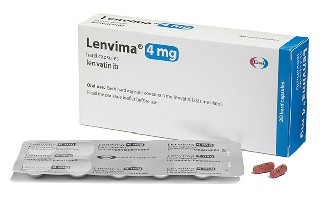
Specifications: Common specifications are 4mg, 10mgcapsules
Mechanism of action: By inhibitingVEGFR1-3, FGFR1-4, PDGFR α, RET, KIT and other receptor tyrosine kinases block tumor angiogenesis and cell proliferation signals.
3. Usage and dosage
Adult dosage
Thyroid cancer: The recommended starting dose is24 mg once daily, continuously orally.
Hepatocellular carcinoma: The recommended starting dose is adjusted according to body weight. For those weighing ≥60kg, it is 12mg once a day, and for those <60kg, it is 8mgonce a day.
Renal cell carcinoma (combined with everolimus): Starting dose of lenvatinib is 20 mg once daily and everolimus is 5 mg once daily.
Medication method
Lenvatinib should be swallowed whole, on an empty stomach or with food.
Try to take the medicine at the same time every day to maintain stable blood concentration.
Dosage adjustment
If serious adverse reactions occur, the medication should be suspended until the symptoms improve to mild or disappear, and then the dose should be reduced or restored to the original dose according to the patient's tolerance.
The dose reduction steps are generally from 24mg to 20mg, then to 14mg, 10mg, and the lowest can be reduced to 4mg.
4. Contraindications
It is contraindicated in those who are allergic to the components of lenvatinib.
Not suitable for pregnant and lactating women.
Use with caution in patients with severe liver and kidney damage.
5. Adverse reactions
Lenvatinib may cause a variety of adverse reactions, common ones include:
Hypertension: Blood pressure needs to be monitored during treatment, and antihypertensive drugs should be given if necessary.
Proteinuria: Regularly detect urine protein. If significant proteinuria occurs, dose adjustment should be considered.
Fatigue, loss of appetite, weight loss
Diarrhea, nausea, stomatitis
Abnormal liver function: Monitor liver function indicators and deal with them promptly when abnormalities occur.
Hand-foot syndrome (skin reaction)
Rare but serious adverse reactions include heart failure, bleeding, intestinal perforation, etc.
6. Precautions
Blood pressure, urine protein, liver function and kidney function should be monitored regularly during use.
Patients should report any unusual symptoms, especially severe diarrhea, rash, difficulty breathing, chest pain, etc.
Avoid co-administration with strongCYP3A4 inducers or inhibitors, which may affect drug concentration.
It is strictly prohibited for pregnant women to use, and women of childbearing age should take effective contraceptive measures.
7. Drug interactions
CYP3A4Inhibitors (such as ketoconazole) may increase the plasma concentration of lenvatinib and increase the risk of toxicity.
CYP3A4Inducers (such as rifampicin) may reduce the efficacy of lenvatinib.
The combined use of antihypertensive drugs requires careful monitoring of changes in blood pressure.
8. Storage
Store sealed in a dry and cool place away from direct sunlight.
Keep out of reach of children.
9. Medication for Special Populations
Elderly patients should use medication with caution and monitor for adverse reactions.
Patients with hepatic and renal insufficiency should adjust the dosage and follow the doctor's advice carefully.
Lenvatinib, as a multi-target tyrosine kinase inhibitor, has shown good efficacy in the treatment of various solid tumors. The medication regimen needs to be flexibly adjusted according to factors such as the specific disease type and patient weight, and adverse reactions must be closely monitored to ensure safety and effectiveness. Patients should closely cooperate with the doctor during use, conduct regular reviews, and provide timely feedback on medication status to achieve the best therapeutic effect.
Reference materials:https://www.drugs.com/
[ 免责声明 ] 本页面内容来自公开渠道(如FDA官网、Drugs官网、原研药厂官网等),仅供持有医疗专业资质的人员用于医学药学研究参考,不构成任何治疗建议或药品推荐。所涉药品可能未在中国大陆获批上市,不适用于中国境内销售和使用。如需治疗,请咨询正规医疗机构。本站不提供药品销售或代购服务。


