
.jpeg)
The correct dosage and administration method of Ripotinib
Repotrectinib (Repotrectinib) The standard recommended dosage for the treatment of non-small cell lung cancer is oral administration, 160 mg each time. In the initial stage, it is once a day. After 14 days of continuous use, based on the patient's tolerance and pharmacokinetic stability, it will be adjusted to 160 mg twice a day. This phased dose design aims to reduce the risk of adverse reactions through initial dose adaptation and enhance the effect of inhibiting tumor cell proliferation in the second phase. Unlike many oral targeted drugs, the dosage method of repotinib is more flexible and can be taken on an empty stomach or after a meal and is not affected by food intake, which brings convenience to patients with long-term treatment.
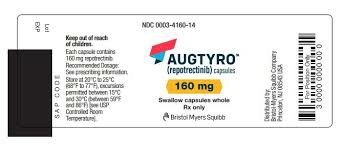
It is recommended to take the tablets with a full glass of water and avoid chewing, breaking or dissolving the medicine to ensure normal release and absorption of the medicine in the gastrointestinal tract. If the patient misses a dose, but the next dose is more than 8 hours away, the patient can take it in time; if the next dose is approaching, the patient should skip it. It is not recommended to take additional doses to avoid dose accumulation. If serious side effects or abnormal laboratory indicators occur during treatment, you should immediately evaluate whether it is necessary to temporarily stop the drug, reduce the dose, or permanently terminate the treatment.
Since reprotinib is a highly selective small molecule inhibitor, its metabolism in the body is mainly completed through the CYP3A enzyme system. Therefore, during use, it should be avoided to combine with strong CYP3A inhibitors or inducers, such as ketoconazole and rifampicin, to prevent abnormal fluctuations in drug concentration. In addition, dosage adjustments are generally not required in patients with mild to moderate impairment of hepatic or renal function, but special attention should be paid to possible changes in pharmacokinetics in severe hepatic impairment.
In terms of treatment duration, the treatment cycle of Ripotinib is based on the principle of "disease control or intolerability", that is, continuous medication until the disease progresses or the side effects are unbearable. This drug is especially suitable for patients who have received other ROS1 or NTRK inhibitors but developed resistance mutations (such as G2032R, D2033N). Therefore, molecular testing should be used to clarify the type of mutation before use to maximize its therapeutic potential.
Reference materials:https://www.drugs.com/mtm/repotrectinib.html
[ 免责声明 ] 本页面内容来自公开渠道(如FDA官网、Drugs官网、原研药厂官网等),仅供持有医疗专业资质的人员用于医学药学研究参考,不构成任何治疗建议或药品推荐。所涉药品可能未在中国大陆获批上市,不适用于中国境内销售和使用。如需治疗,请咨询正规医疗机构。本站不提供药品销售或代购服务。


