
.jpeg)
What are the precautions for bicizumab?
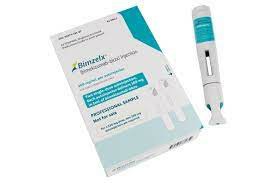
Bimekizumab (Bimekizumab) is a biologic agent used to treat plaque psoriasis. There are some potential risks and warnings that require special attention during its use. In clinical studies, cautions related to thoughts and behaviors, infections, tuberculosis, liver biochemical abnormalities, and inflammatory bowel disease were observed. The following is a detailed integration of these considerations.
1. Regarding thoughts and behaviors, in a 16-week placebo-controlled study, the incidence of thoughts among patients who received bicizumab was higher than that of patients who received placebo. Prospective monitoring is performed using the Columbia Suicide Severity Rating Scale (C-SSRS) tool to assess the presence and severity of suicidal ideation on a scale ranging from "none" to "suicidal ideation with specific plans and intent." Physicians should carefully weigh the risks and benefits when prescribing for patients with or history of severe depression. Patients and their families need to pay attention to emotional changes and seek medical treatment promptly. If new or worsening depressive symptoms or sexual thoughts occur, referral to a mental health professional and re-evaluation of the need for continued medication is recommended.
2. Regarding infection, bicizumab may increase the risk of infection. In clinical trials, 36% of patients in the mezizumab group experienced various infections, including upper respiratory tract infections, candida infections, etc. Bicizumab should not be used in patients with clinically important infections until the infection is controlled or adequately treated. For patients with chronic infections, the risks and benefits should be assessed before prescribing medications. If signs of infection occur, seek medical help immediately and, if necessary, discontinue bicizumab until the infection resolves.
3. For tuberculosis, patients must be evaluated for tuberculosis infection before using bicizumab for treatment. Avoid use of this drug in patients with active tuberculosis infection and wait until latent tuberculosis has been treated before initiating bimezumab therapy. For patients with a history of latent or active tuberculosis, anti-tuberculosis treatment should be considered first. At the same time, symptoms related to active tuberculosis need to be closely monitored during treatment.
4. Concern about liver biochemical abnormalities cannot be ignored. In clinical trials, it was found that bimezumab treatment is associated with an increased incidence of liver enzyme elevations, and there have been reports of patients with liver transaminase elevations exceeding three times the normal value. It is important to monitor patients' liver enzyme levels regularly and, if drug-related liver enzyme elevations occur, interrupt treatment and rule out a diagnosis of liver injury. For patients with acute liver disease or cirrhosis, the risk of using bimezumab is also higher and should be used with caution.
5. Inflammatory bowel disease (IBD) is also an important precaution when using bicizumab. Evidence has shown that cases of IBD have occurred in patients receiving IL-17 inhibitor therapy. Therefore, bicizumab should be avoided in patients with active IBD. During treatment, the patient's IBD symptoms need to be continuously monitored, and treatment should be discontinued immediately if a new episode or worsening is detected.
In short, bichizumab is indeed effective in the treatment of plaque psoriasis, but the above precautions should be strictly followed during use to reduce potential risks and ensure the safety and health of patients. Before prescribing, doctors should comprehensively assess the patient's health status, as well as possible risks and benefits, to formulate the best treatment plan.
Reference materials:https://www.drugs.com/bimekizumab.html
[ 免责声明 ] 本页面内容来自公开渠道(如FDA官网、Drugs官网、原研药厂官网等),仅供持有医疗专业资质的人员用于医学药学研究参考,不构成任何治疗建议或药品推荐。所涉药品可能未在中国大陆获批上市,不适用于中国境内销售和使用。如需治疗,请咨询正规医疗机构。本站不提供药品销售或代购服务。


