
.jpeg)
Why is regorafenib not recommended as the first choice for patients with liver cancer?
Regorafenib is approved for the treatment of advanced hepatocellular carcinoma (HCC), but it is not the treatment of choice for all patients with liver cancer. The main reasons can be analyzed from the following aspects:
First of all, the indications of regorafenib are mainly for use in patients with liver cancer who have failed treatment with sorafenib (Sorafenib). Sorafenib is one of the standard first-choice drugs for the treatment of advanced liver cancer and is widely used. However, some patients will develop drug resistance after using sorafenib and the therapeutic effect will be weakened. At this time, regorafenib, as a second-line treatment drug, provides another treatment option. In some patients, regorafenib works better than sorafenib, but not all patients benefit from it. Therefore, for patients with liver cancer who have not been treated with sorafenib, direct use of regorafenib may not achieve ideal efficacy.
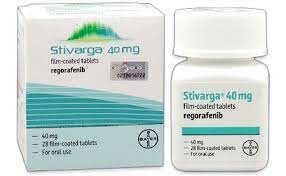
Secondly, regorafenib has significant side effects, including hypertension, fatigue, diarrhea, oral ulcers and skin reactions . These side effects may pose a greater risk to liver cancer patients whose liver function is already relatively fragile. Especially for patients with hepatic insufficiency, the use of regorafenib may increase the burden on the liver, lead to adverse reactions, and even further worsen liver function.
In addition, regorafenib is mainly metabolized by the liver. For patients with poor liver function or advanced cirrhosis , special caution is required when using this drug. If patients with liver cancer have significant liver damage or comorbidities, the side effects of regorafenib may be more severe. Therefore, patients with poor liver function are generally not recommended as an initial treatment option and should wait until other drugs (such as sorafenib) are ineffective before considering regorafenib.
Finally, there is still a gap in the therapeutic effect of regorafenib compared with other anti-cancer drugs (such as sorafenib, lenvatinib, etc.) in the treatment of liver cancer. Especially in some patients with liver cancer, the therapeutic effect is not as significant as other drugs.
Reference materials:https://www.stivarga-us.com/
[ 免责声明 ] 本页面内容来自公开渠道(如FDA官网、Drugs官网、原研药厂官网等),仅供持有医疗专业资质的人员用于医学药学研究参考,不构成任何治疗建议或药品推荐。所涉药品可能未在中国大陆获批上市,不适用于中国境内销售和使用。如需治疗,请咨询正规医疗机构。本站不提供药品销售或代购服务。


