
.jpeg)
What is the difference between enzalutamide and bicalutamide?
Enzalutamide and bicalutamide are both important androgen receptor (AR) inhibitors for the treatment of prostate cancer, but there are significant differences in their pharmacological mechanisms, clinical applications, efficacy and safety. This article will comprehensively analyze the similarities and differences between these two drugs to help patients and medical staff better understand and choose appropriate treatment options.
1. Comparison of pharmacological mechanisms
Bicalutamide is the first-generation non-steroidal androgen receptor antagonist, which mainly inhibits the growth signals of tumor cells by competitively binding to androgen receptors, blocking the binding of testosterone and dihydrotestosterone (DHT) in the body to the receptors. It can reduce AR nuclear translocation and DNA binding, but its inhibition of AR is limited, and it may show a certain agonist effect in some drug-resistant cases.
Enzalutamide is a second-generation androgen receptor signaling pathway inhibitor. In addition to competitively binding to AR, it can also more effectively block the nuclear translocation of AR, DNA binding and the recruitment of co-activators, so the inhibitory effect is stronger. Enzalutamide is effective against both wild-type and mutant AR and can overcome some of the mechanisms of bicalutamide resistance.
2. Clinical indications and application scenarios
Bicalutamide was first used for the adjuvant treatment of advanced prostate cancer. It is often used in combination with gonadotropin-releasing hormone (GnRH) analogues. It is mainly used for patients with castration-sensitive prostate cancer and partially castration-resistant prostate cancer (mCRPC). Its price is relatively affordable, its safety is good, and it is widely used in multi-stage treatment.
Enzalutamide is mainly used to treat castration-resistant prostate cancer (mCRPC), including symptomatic and asymptomatic patients, and can be used alone without the need to combine GnRH analogues. In recent years, enzalutamide has also been approved for the treatment of castration-sensitive metastatic prostate cancer (mHSPC) and non-metastatic castration-resistant prostate cancer (nmCRPC), showing significant advantages in extending progression-free survival and overall survival.
3. Comparison of efficacy and safety
In terms of efficacy, enzalutamide is significantly superior to bicalutamide in prolonging progression-free survival (PFS) and overall survival (OS) due to its powerful AR inhibitory effect. Especially in mCRPC patients, enzalutamide can effectively delay disease progression, reduce the risk of bone metastasis-related events, and improve quality of life.
In terms of safety, bicalutamide is relatively mild, with common side effects including breast tenderness, hot flashes, fatigue and mild gastrointestinal discomfort. Enzalutamide has slightly more side effects, including fatigue, headache, insomnia, convulsions, and high blood pressure. Some patients are at risk of epilepsy (rarely). Therefore, enzalutamide should be used with caution in patients with a history of epilepsy or neurological disease.
4. Medication methods and patient selection suggestions
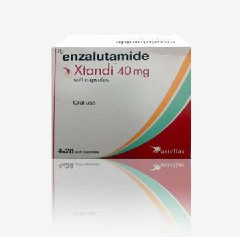
Bicalutamide is usually taken orally at a dose of 50mg per day, often in combination with GnRH analogues. The oral dosage of enzalutamide is generally 160 mg (4 tablets and 40 mg capsules) per day. The single-drug treatment has significant effects and is convenient for patients to take. Both require long-term treatment and regular monitoring of liver function, blood pressure, and neurological symptoms.
In actual clinical practice, doctors will make comprehensive considerations based on the patient's disease stage, previous treatment history, tolerance and financial situation. For early-stage and castration-sensitive patients, bicalutamide is still an effective option; for patients with castration resistance, rapid disease progression, or brain metastases, enzalutamide has become the preferred option due to its superior efficacy.
Generally speaking, both bicalutamide and enzalutamide are important androgen receptor inhibitors, but enzalutamide, as a second-generation AR inhibitor, is superior to bicalutamide in terms of efficacy, scope of indications, and single drug use. The side effect profiles of the two are different, and individual patients vary significantly. They need to be selected under the guidance of a doctor. With the continuous advancement of prostate cancer treatment, enzalutamide provides more effective treatments for advanced patients, while bicalutamide still plays an irreplaceable role in multi-stage treatment. Reasonable selection and standardized use can maximize patient prognosis and quality of life.
Reference materials:https://www.drugs.com/
[ 免责声明 ] 本页面内容来自公开渠道(如FDA官网、Drugs官网、原研药厂官网等),仅供持有医疗专业资质的人员用于医学药学研究参考,不构成任何治疗建议或药品推荐。所涉药品可能未在中国大陆获批上市,不适用于中国境内销售和使用。如需治疗,请咨询正规医疗机构。本站不提供药品销售或代购服务。


