
.jpeg)
Summary of therapeutic efficacy and common side effects of Sorafenib
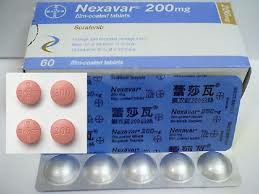
Sorafenib is a multi-target tyrosine kinase inhibitor that was first approved by the US FDA in 2005. an>Approved for the treatment of advanced renal cell carcinoma, and later expanded to various solid tumors such as hepatocellular carcinoma (HCC) and thyroid cancer. It is the world's first targeted drug approved for the treatment of advanced liver cancer. Due to its significant anti-tumor activity and oral convenience, sorafenib occupies an important position in the field of tumor treatment. However, the therapeutic effect of this drug varies among individuals and is accompanied by certain side effects, so careful management is required during use. The following will give a detailed summary of its therapeutic efficacy and common side effects.
1. Therapeutic efficacy of sorafenib
1.Application in advanced hepatocellular carcinoma (HCC)
The most well-known indication of sorafenib is the treatment of advanced hepatocellular carcinoma. The SHARP study published in the New England Journal of Medicine in 2007 showed that sorafenib can reduce the median survival time of patients with advanced HCC from < span>7.9 months was extended to 10.7 months, significantly improving overall survival (OS) and progression-free survival (PFS). This achievement made it the "founding drug" for targeted therapy of liver cancer, and it is still included in many liver cancer treatment guidelines at home and abroad.
2.Therapeutic value in renal cell carcinoma
In renal cell carcinoma (RCC), sorafenib is mainly used as first- or second-line treatment. Studies have shown that sorafenib can effectively inhibit signaling pathways related to angiogenesis such as VEGFR and PDGFR, thereby inhibiting tumor growth and angiogenesis. Multiple clinical trials have verified its efficacy in prolonging the progression-free survival of RCC patients, especially for patients who are unable to receive immunotherapy or whose disease is resistant to other targeted drugs.
3.Later-line treatment of differentiated thyroid cancer
Sorafenib also shows good therapeutic prospects for patients with differentiated thyroid cancer in which radioactive iodine is ineffective. Studies have pointed out that sorafenib can prolong the progression-free survival time of patients, especially in patients with rapid tumor progression. Therefore, sorafenib may still be an effective treatment option in cases where multiple lines of therapy have failed.
4.Other research directions and exploration of combination therapy
Currently, sorafenib is also used to study combination treatments. For example, sorafenib is used in combination with PD-1 immunosuppressants for patients with liver cancer. Multiple clinical trials are underway to improve efficacy and delay drug resistance. In the future, sorafenib may achieve more breakthroughs in the field of combination immunotherapy or adjuvant tumor treatment.
2. Common side effects of sorafenib
Although sorafenib has shown efficacy in the treatment of various cancers, its use is associated with a high incidence of adverse effects. The following is a classification of common side effects and how to deal with them:
1.Skin toxic reactions
The most common one is"hand-foot syndrome", which is characterized by redness, swelling, pain, peeling and even rupture of the skin on the palms and soles of the feet. Such reactions usually occur within 2-4 weeks after the start of treatment, affecting about 20%-30% of patients. Mild cases can be relieved by reducing friction, using emollient, and applying hormonal ointments; in severe cases, the dosage may need to be adjusted or treatment suspended.
2.Gastrointestinal discomfort
Includes diarrhea, nausea, vomiting, and decreased appetite. Diarrhea is the most common, occurring in about 20%-30% of patients, and is more common in mild to moderate forms. Patients are advised to drink plenty of fluids and take antidiarrheal drugs such as loperamide if necessary. At the same time, the diet should be mainly light and avoid irritating foods.
3.High blood pressure
Sorafenib may cause an increase in blood pressure, and the mechanism is related to its inhibition of the VEGF signaling pathway. It usually starts to appear 1-2 weeks after taking the medication, and blood pressure needs to be checked regularly. If blood pressure continues to rise, antihypertensive drugs need to be used in combination. In severe cases, dose reduction or temporary discontinuation of the drug should be considered.
4.Abnormal liver function
Sorafenib is metabolized by the liver, and some patients may experience hepatotoxic reactions such as increased transaminases or increased bilirubin. Patients with liver cancer have liver dysfunction and require special attention. It is recommended to regularly monitor liver function indicators before, during and after treatment, and adjust the dose if necessary.
5.Fatigue and weight loss
Since long-term medication may cause metabolic disorders, loss of appetite and other problems, many patients will experience fatigue, weight loss and even malnutrition. Patients should be encouraged to exercise appropriately and maintain nutritional intake. In severe cases, adjustments need to be made under the guidance of nutritionists and doctors.
6.Bleeding and coagulation abnormalities
Sorafenib has a certain anti-angiogenic effect and may increase the risk of bleeding, especially gastrointestinal bleeding and epistaxis. More careful evaluation is needed in patients with esophageal varices or coagulation abnormalities.
3. Medication Suggestions and Precautions
1.Standardize dosage management
The standard dose of sorafenib is400mg, which can be taken twice a day before or after meals. However, some patients may need to adjust the dose due to adverse reactions. If adverse events of grade 2 or above occur, the doctor may recommend reducing the dosage to 400 mg once a day.
2.Avoid drug interactions
Sorafenib may interact with a variety of drugs, such as certain antibiotics, antifungal drugs, antiepileptic drugs, etc., which may affect its metabolism. You should proactively inform your doctor about other medications you are taking while taking the medication.
3.Contraindicated for pregnant women and lactating women
Sorafenib has potential risks to the fetus and is contraindicated in pregnant and lactating women. Patients who plan to have children should take effective contraceptive measures and wait at least 6 months after finishing the medication before considering pregnancy.
4.Regular review and dynamic monitoring
During sorafenib treatment, a comprehensive review is required every 1-2 months, including liver and kidney function, blood pressure, weight, imaging examinations, etc., to promptly evaluate the efficacy and safety of the drug.
Sorafenib, as an oral targeted therapy, has been widely used in advanced liver cancer, kidney cancer, thyroid cancer and other fields, and is an important treatment option for many patients with advanced solid tumors. Although its efficacy has been confirmed by many studies, it is still necessary to pay close attention to adverse reactions such as skin reactions, gastrointestinal discomfort, hypertension, and abnormal liver function during treatment. Under the guidance of professional doctors, reasonable assessment of the condition, standardized medication use, and regular monitoring are the keys to ensuring treatment effects and reducing side effects. In the future, with the development of combination treatment strategies, sorafenib is expected to exert greater potential in more cancer types.
Reference materials:https://www.drugs.com/
[ 免责声明 ] 本页面内容来自公开渠道(如FDA官网、Drugs官网、原研药厂官网等),仅供持有医疗专业资质的人员用于医学药学研究参考,不构成任何治疗建议或药品推荐。所涉药品可能未在中国大陆获批上市,不适用于中国境内销售和使用。如需治疗,请咨询正规医疗机构。本站不提供药品销售或代购服务。


