
.jpeg)
Does Ustekinumab have serious side effects? Does it require long-term use?
Ustekinumab is a biological agent that targets immune regulation and is mainly used to treat chronic inflammatory diseases such as moderate to severe plaque psoriasis, psoriatic arthritis, Crohn's disease and ulcerative colitis. It works by inhibiting interleukin-12 (IL-12) and interleukin-23< /span>(IL-23) The pathways of these two key inflammatory factors reduce the abnormal attack of the immune system on body tissues, achieving the purpose of alleviating symptoms and delaying the progression of the disease. Because its target is relatively clear, ustekinumab has fewer side effects than traditional immunosuppressants, but it is not completely risk-free.
In clinical use, the adverse reactions of ustekinumab are generally mild. Common side effects include upper respiratory tract infection, headache, fatigue, injection site reactions, etc., and are usually tolerable. A small number of patients may experience more serious adverse reactions, such as tuberculosis infection, increased risk of malignant tumors, allergic reactions, etc., but the incidence is low. To ensure drug safety, doctors usually perform tuberculosis screening before use and regularly monitor the patient's health during treatment.
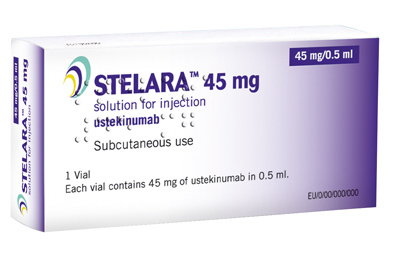
As to whether long-term use is required, it mainly depends on the patient's disease type and response. For chronic diseases such as psoriasis and inflammatory bowel disease, ustekinumab often requires long-term maintenance therapy to control symptoms and prevent relapse. The administration cycle is longer, with injections every 12 weeks after the start, and the patient's compliance is good. After symptoms stabilize, some patients can try to gradually extend the medication interval, but this should be done under the guidance of a doctor to prevent a rebound.
Overall, ustekinumab has less side effects and is suitable for long-term maintenance treatment, but it still requires individualized evaluation and close follow-up. Patients should pay attention to preventing infection during medication, inject injections on time, and promptly report any abnormal reactions to the doctor to ensure the safety of treatment and maximize the effect.
Reference materials:https://www.drugs.com/
[ 免责声明 ] 本页面内容来自公开渠道(如FDA官网、Drugs官网、原研药厂官网等),仅供持有医疗专业资质的人员用于医学药学研究参考,不构成任何治疗建议或药品推荐。所涉药品可能未在中国大陆获批上市,不适用于中国境内销售和使用。如需治疗,请咨询正规医疗机构。本站不提供药品销售或代购服务。


