
.jpeg)
Detailed instructions and medication precautions for belumosudil
Belumosudil (Belumosudil) is a new type of oral small molecule kinase inhibitor that mainly targets the ROCK2 (Rho related protein kinase 2) signaling pathway. It has the effect of regulating immune response and anti-fibrosis. Besudil is approved for the treatment of patients with chronic graft-versus-host disease (cGVHD), especially cases that have failed to respond to previous treatments. Because of its unique mechanism of action and good clinical efficacy, Besudil has attracted much clinical attention. The following is the detailed instructions and medication precautions for Besudil.
1. Basic drug information
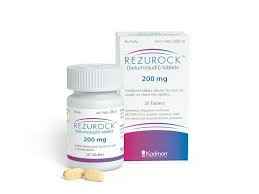
Besudil is an oral capsule with a common specification of 200mg. It is usually taken orally once a day, 200 mg per time. By inhibiting ROCK2kinase activity, the drug regulates the immune function of T cells and B cells, inhibits the production of inflammatory factors, and reduces tissue fibrosis, thereby effectively controlling the progression of chronic graft-versus-host disease.
2. Indications, usage and dosage
Besudil is indicated primarily for the treatment of chronic graft-versus-host disease in patients who have failed at least two systemic therapies. Treatment should be carried out under the guidance of a specialist, following the principle of individualization, and adjusting the dosage and course of treatment according to the patient's specific conditions.
The recommended dose is 200 mg per time, twice daily, taken after meals. To ensure drug absorption and reduce gastrointestinal discomfort, patients are advised to take besudil after meals. During the treatment process, the patient's clinical symptoms and laboratory indicators should be regularly monitored to evaluate the efficacy and adjust the treatment plan.
3. Drug Metabolism and Interactions
Besudil is mainly metabolized by the liver, involving the CYP3A4 enzyme system. Therefore, when combined with other drugs that affect the activity of CYP3A4 (such as certain antifungal drugs, antibiotics, anti-epileptic drugs, etc.), the blood concentration of besudil may be affected, increasing the risk of adverse reactions or reducing the efficacy. Patients should truthfully inform their doctors of all medications they are taking during medication to avoid potential drug interactions.
4. Adverse reactions and management
Common adverse reactions of besudil include fatigue, nausea, diarrhea, headache, increased risk of infection, etc. Most adverse reactions are mild to moderate, and some patients may experience hematological abnormalities or abnormal liver function indicators.
During the treatment process, patients should regularly undergo routine blood tests, liver function and kidney function tests to detect and deal with potential problems in a timely manner. If serious adverse reactions occur, you should seek medical treatment promptly. If necessary, you may consider adjusting the dose or suspending the medication.
5. Medication precautions
Contraindications: Contraindicated for those allergic to Besudil ingredients. Pregnant and nursing women should avoid use as there is insufficient safety data.
Monitoring requirements: Liver function, kidney function, blood routine and infection indicators need to be monitored regularly during treatment, especially for patients with low immune function to prevent serious infections.
Patient education: Inform patients of possible adverse reactions and early symptoms, and remind them to report abnormalities in a timely manner. Instruct patients to avoid contact with sources of infection and maintain good personal hygiene.
Combined medication: Carefully choose drugs used with besudil to avoid strongCYP3A4 inhibitors or inducers to prevent drug concentration fluctuations.
6. Medication guidance for special populations
Elderly patients should carefully adjust the dose according to their liver and kidney function. The safety of use in children and adolescent patients has not been fully established and should be used according to medical advice. Use with caution or avoid use in those with severely impaired liver function.
Besudil, as an emerging drug for the treatment of chronic graft-versus-host disease, has dual effects of targeted immune regulation and anti-fibrosis, and has significantly improved the prognosis of some refractory patients. Standardized medication use, close monitoring and reasonable management of adverse reactions are the keys to ensuring treatment safety and improving efficacy. Patients should strictly follow the doctor's instructions and take medication, and report any discomfort during medication in a timely manner to ensure smooth progress of treatment. With the accumulation of clinical experience, Besudil is expected to bring good news to more patients with chronic GVHD.
Reference materials:https://www.drugs.com/
[ 免责声明 ] 本页面内容来自公开渠道(如FDA官网、Drugs官网、原研药厂官网等),仅供持有医疗专业资质的人员用于医学药学研究参考,不构成任何治疗建议或药品推荐。所涉药品可能未在中国大陆获批上市,不适用于中国境内销售和使用。如需治疗,请咨询正规医疗机构。本站不提供药品销售或代购服务。


