
.jpeg)
Introduction to the main efficacy and clinical therapeutic effects of Lenvatinib
Lenvatinib (Lenvatinib) is an oral multi-target tyrosine kinase inhibitor that mainly acts on a variety of receptor tyrosine kinases (RTKs), including vascular endothelial growth factor receptor (VEGFR) 1-3, fibroblast growth factor receptor (FGFR)1-4, platelet-derived growth factor receptor (PDGFR) alpha, and other targets such as RET and KIT. Through multi-target inhibition, lenvatinib can effectively block the proliferation and new blood vessel formation of tumor cells, thereby inhibiting tumor growth and metastasis. It is one of the important targeted drugs in the current field of tumor treatment.
1. Main efficacy mechanism of lenvatinib
Lenvatinib, as a multi-target tyrosine kinase inhibitor, mainly inhibits tumor angiogenesis by blocking the VEGFR and FGFR signaling pathways. During the process of tumor growth and metastasis, tumor tissue is extremely dependent on new blood vessels. The formation of blood vessels provides oxygen and nutrients to the tumor. Lenvatinib significantly reduces the formation of tumor blood vessels by inhibiting the proliferation and migration of vascular endothelial cells, thereby inhibiting tumor progression.
In addition, lenvatinib also blocks the signal transmission pathways of tumor cells and inhibits tumor cell proliferation and survival by interfering with fibroblast growth factor receptor (FGFR) and other related targets. This multi-target mechanism of action allows lenvatinib to exhibit good anti-tumor activity in the treatment of multiple types of tumors.
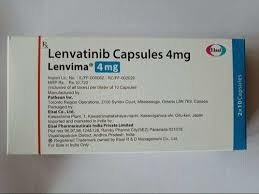
2. Application of lenvatinib in the treatment of hepatocellular carcinoma
Hepatocellular carcinoma (HCC) is one of the most common malignant tumors in the world, and patients with advanced liver cancer have a poor prognosis. Lenvatinib, as a first-line systemic therapy, was approved for the treatment of advanced hepatocellular carcinoma in 2018. Clinical trials have shown that lenvatinib can significantly prolong the overall survival (OS) and progression-free survival (PFS) of patients with advanced hepatocellular carcinoma, which has obvious advantages over traditional treatment options.
Lenvatinib can not only inhibit tumor progression but also help improve patients' quality of life when treating patients with advanced liver cancer. Compared with traditional targeted drugs such as sorafenib, lenvatinib has shown better efficacy and tolerability in some patients, making it one of the important choices for the treatment of advanced hepatocellular carcinoma.
3. The therapeutic effect of lenvatinib in thyroid cancer and renal cell carcinoma
In addition to liver cancer, lenvatinib is also widely used in the treatment of advanced differentiated thyroid cancer (DTC), especially in patients who are refractory to radioactive iodine therapy. Research shows that lenvatinib can effectively delay the growth of thyroid cancer tumors, reduce tumor burden, and prolong patient survival time.
In addition, lenvatinib combined with everolimus is approved for the treatment of advanced renal cell carcinoma (RCC). This combination therapy enhances the anti-tumor effect by synergistically inhibiting tumor-related signaling pathways, and significantly improves the progression-free survival and overall survival rate of patients. Lenvatinib has shown excellent efficacy in the treatment of renal cancer and has become an important targeted therapy in this field.
4. Safety and medication precautions of lenvatinib
Lenvatinib, as a targeted drug, has good anti-tumor effects, but it also has certain side effects. Common adverse reactions include hypertension, diarrhea, loss of appetite, fatigue, hand-foot syndrome, etc. Some patients may develop abnormal liver function or proteinuria, and relevant indicators need to be monitored regularly.
During medication, patients should adjust the dose under the guidance of a doctor, especially those with liver and kidney dysfunction. Proper management of adverse reactions and lifestyle adjustments can improve patients' medication tolerance and treatment compliance. During the treatment process, regular follow-up should be carried out to evaluate the efficacy and safety to ensure the safety of medication.
In summary, lenvatinib plays an important role in the treatment of various malignant tumors such as hepatocellular carcinoma, thyroid cancer, and renal cell carcinoma due to its multi-target inhibitory mechanism. It can effectively block tumor angiogenesis and cell proliferation, prolong patient survival time and improve quality of life. With the continuous deepening of clinical application and the expansion of indications, lenvatinib will bring new treatment hope to more cancer patients.
Reference materials:https://www.drugs.com/
[ 免责声明 ] 本页面内容来自公开渠道(如FDA官网、Drugs官网、原研药厂官网等),仅供持有医疗专业资质的人员用于医学药学研究参考,不构成任何治疗建议或药品推荐。所涉药品可能未在中国大陆获批上市,不适用于中国境内销售和使用。如需治疗,请咨询正规医疗机构。本站不提供药品销售或代购服务。


