
.jpeg)
Detailed instructions for the usage, dosage and medication guidelines of Sorafenib
Sorafenib is an oral multi-target tyrosine kinase inhibitor mainly used to treat various malignant tumors such as advanced hepatocellular carcinoma (HCC), renal cell carcinoma (RCC) and differentiated thyroid cancer. It exerts anticancer effects by inhibiting tumor cell proliferation and angiogenesis. Correct usage and dosage and reasonable medication guidelines are important prerequisites for ensuring patient efficacy and safety. The following content will introduce in detail the administration method, dosage adjustment, precautions and patient medication guidance of sorafenib.
1. Standard usage and dosage of sorafenib
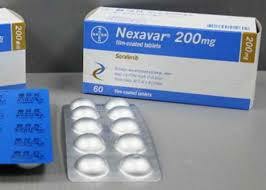
Sorafenib is usually taken orally in tablet form, with the recommended dose being 400 mg twice daily (i.e. two 200 mg tablets), for a total of 800 mg daily. It is recommended to take it separately in the morning and evening to avoid taking a large amount at one time to maintain the stability of the drug concentration in the body. Patients should take it before or after meals. Drug absorption is not affected by eating. Take the drug with plenty of water.
Treatment should be carried out under the guidance of a doctor. The initial dose is generally maintained at 800 mg per day and adjusted according to the patient's tolerance and adverse reactions. Treatment cycles are usually continuous until disease progression or intolerable side effects occur. Use with caution and close monitoring in elderly patients or patients with impaired hepatic function.
2. Dose adjustment and adverse reaction treatment
Sorafenib may cause a variety of adverse reactions, including rash, diarrhea, fatigue, hypertension, and hand-foot syndrome. For different levels of side effects, doctors may take dosage adjustments. It is generally recommended that mild side effects continue to be observed and treated symptomatically if necessary; for moderate and severe side effects, temporary discontinuation or dose reduction should be considered.
The specific dosage adjustment steps are usually as follows: suspend the medication when the first side effect occurs, and then resume treatment in a reduced dosage form after the symptoms improve to below level 1. The dosage reduction standard is usually to reduce the dose by 200 mg per day (i.e., reduce the dosage by half). If the patient still experiences serious adverse reactions, further discontinuation of the drug or change of treatment regimen may be required.
While taking sorafenib, patients should follow medical advice and conduct regular monitoring of liver and kidney function, electrolytes and blood pressure. Sorafenib has high requirements on liver function, and patients with hepatic insufficiency should use it with caution or adjust the dose. This drug is prohibited for pregnant and lactating women to avoid adverse effects on the fetus and infant.
At the same time, sorafenib may interact with a variety of drugs. For example, strong CYP3A4 inducers or inhibitors may affect its metabolism, and the dose needs to be adjusted under the guidance of a doctor. Patients should inform their doctors about all the drugs they are taking, including traditional Chinese medicine and health care products, to prevent drug interactions.
During the period of taking the medicine, you should avoid drinking alcohol and smoking, and maintain good living habits and nutritional intake, which will help reduce side effects and improve treatment tolerance. If severe diarrhea, persistent high fever, severe rash or other abnormal symptoms occur, you should contact a medical institution immediately.
4. Patient medication guidance and life management
The treatment cycle of sorafenib is long, and patients should maintain a good psychological state and actively cooperate with treatment and follow-up. When taking medication, it is recommended to take it at a fixed time to avoid missing or repeated doses. If you accidentally miss a dose, you should take it as soon as possible. However, if it is close to the next dose time, skip this dose. Do not take two doses at one time.
During the treatment, patients should pay attention to skin care, especially on the hands and feet, and avoid prolonged soaking in hot water, friction and irritation. Proper exercise, a balanced diet and adequate rest can help build physical strength and immunity.
In addition, regular imaging examinations and laboratory tests to evaluate treatment effects and monitor toxic and side effects are the key to ensuring safe and effective treatment. Patients should promptly report physical changes and discomfort to their doctors to ensure timely adjustments to the treatment plan.
In short, as an important targeted anti-cancer drug, sorafenib’s correct usage and dosage and scientific medication management are crucial. Patients need to use medications in a standardized manner under the guidance of professional physicians, pay close attention to their own reactions, and make reasonable lifestyle adjustments in order to obtain the best therapeutic effect and a higher quality of life.
Reference: https://www.drugs.com/
1. Standard usage and dosage of sorafenib
Sorafenib is usually taken orally in tablet form, with the recommended dose being 400 mg twice daily (i.e. two 200 mg tablets), for a total of 800 mg daily. It is recommended to take it separately in the morning and evening to avoid taking a large amount at one time to maintain the stability of the drug concentration in the body. Patients should take it before or after meals. Drug absorption is not affected by eating. Take the drug with plenty of water.
Treatment should be carried out under the guidance of a doctor. The initial dose is generally maintained at 800 mg per day and adjusted according to the patient's tolerance and adverse reactions. Treatment cycles are usually continuous until disease progression or intolerable side effects occur. Use with caution and close monitoring in elderly patients or patients with impaired hepatic function.
2. Dose adjustment and adverse reaction treatment
Sorafenib may cause a variety of adverse reactions, including rash, diarrhea, fatigue, hypertension, and hand-foot syndrome. For different levels of side effects, doctors may take dosage adjustments. It is generally recommended that mild side effects continue to be observed and treated symptomatically if necessary; for moderate and severe side effects, temporary discontinuation or dose reduction should be considered.
The specific dosage adjustment steps are usually as follows: suspend the medication when the first side effect occurs, and then resume treatment in a reduced dosage form after the symptoms improve to below level 1. The dosage reduction standard is usually to reduce the dose by 200 mg per day (i.e., reduce the dosage by half). If the patient still experiences serious adverse reactions, further discontinuation of the drug or change of treatment regimen may be required.
Hand-foot syndrome is a common side effect of sorafenib that requires special attention. It manifests as redness, swelling, pain, and peeling of the skin of the hands and feet. Patients should avoid friction and squeezing the affected area, keep the skin clean and moisturized, and seek medical attention in time if severe.
While taking sorafenib, patients should follow medical advice and conduct regular monitoring of liver and kidney function, electrolytes and blood pressure. Sorafenib has high requirements on liver function, and patients with hepatic insufficiency should use it with caution or adjust the dose. This drug is prohibited for pregnant and lactating women to avoid adverse effects on the fetus and infant.
At the same time, sorafenib may interact with a variety of drugs. For example, strong CYP3A4 inducers or inhibitors may affect its metabolism, and the dose needs to be adjusted under the guidance of a doctor. Patients should inform their doctors about all the drugs they are taking, including traditional Chinese medicine and health care products, to prevent drug interactions.
During the period of taking the medicine, you should avoid drinking alcohol and smoking, and maintain good living habits and nutritional intake, which will help reduce side effects and improve treatment tolerance. If severe diarrhea, persistent high fever, severe rash or other abnormal symptoms occur, you should contact a medical institution immediately.
4. Patient medication guidance and life management
The treatment cycle of sorafenib is long, and patients should maintain a good psychological state and actively cooperate with treatment and follow-up. When taking medication, it is recommended to take it at a fixed time to avoid missing or repeated doses. If you accidentally miss a dose, you should take it as soon as possible. However, if it is close to the next dose time, skip this dose. Do not take two doses at one time.
During the treatment, patients should pay attention to skin care, especially on the hands and feet, and avoid prolonged soaking in hot water, friction and irritation. Proper exercise, a balanced diet and adequate rest can help build physical strength and immunity.
In addition, regular imaging examinations and laboratory tests to evaluate treatment effects and monitor toxic and side effects are the key to ensuring safe and effective treatment. Patients should promptly report physical changes and discomfort to their doctors to ensure timely adjustments to the treatment plan.
In short, as an important targeted anti-cancer drug, sorafenib’s correct usage and dosage and scientific medication management are crucial. Patients need to use medications in a standardized manner under the guidance of professional physicians, pay close attention to their own reactions, and make reasonable lifestyle adjustments in order to obtain the best therapeutic effect and a higher quality of life.
Reference: https://www.drugs.com/
[ 免责声明 ] 本页面内容来自公开渠道(如FDA官网、Drugs官网、原研药厂官网等),仅供持有医疗专业资质的人员用于医学药学研究参考,不构成任何治疗建议或药品推荐。所涉药品可能未在中国大陆获批上市,不适用于中国境内销售和使用。如需治疗,请咨询正规医疗机构。本站不提供药品销售或代购服务。


