
.jpeg)
What are the common side effects and adverse reactions of neratinib (neratinib) and how to deal with them
Neratinib (Neratinib) is an oral, small molecule tyrosine kinase inhibitor, mainly targeted at patients with HER2 positive breast cancer, especially for adjuvant treatment to reduce the risk of recurrence. As a targeted drug, neratinib can significantly improve the therapeutic effect, but it is also accompanied by certain side effects and adverse reactions. This article will introduce in detail the common side effects of neratinib and their treatment methods to help patients and medical staff better cope with discomfort during treatment.
1. Overview of common side effects of neratinib
The most common side effect of neratinib is gastrointestinal effects, especially diarrhea. Clinical data shows that more than 80%of patients will experience varying degrees of diarrhea in the early stages of treatment, of which about 30% are moderate to severe (Grade 3 and above). The occurrence of diarrhea may lead to dehydration, electrolyte imbalance, and even affect the patient's continued treatment. In addition, nausea, vomiting, abdominal pain and loss of appetite are also common gastrointestinal adverse reactions.
In addition to gastrointestinal reactions, neratinib may also cause liver function abnormalities, manifested by elevated serum aminotransferases (ALT, AST). Some patients will experience symptoms such as mild fatigue, rash, stomatitis and headache. Although less common, serious liver injury and cardiotoxicity (e.g., prolongation of the QT interval) also require vigilance and regular monitoring.
2. Prevention and treatment of diarrhea
Diarrhea is the most important side effect of neratinib treatment and affects the patient's quality of life. In order to reduce the occurrence of diarrhea, it is clinically recommended that patients start taking preventive anti-diarrheal drugs at the beginning of treatment, the most commonly used is loperamide (Loperamide). It is usually recommended to take loperamide as directed by your doctor every day starting on the day the first dose of neratinib is taken, and continue to be observed within a few days after stopping the drug.
Once diarrhea occurs, patients should adjust their diet in time, avoid spicy and irritating foods, and maintain adequate water intake to prevent dehydration. At the same time, the dose of loperamide can be increased if necessary. In severe cases, a doctor should be contacted, and the dose of neratinib may need to be suspended or adjusted.
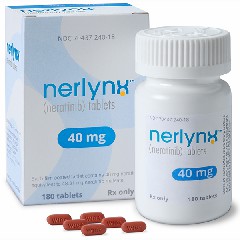
3. Management of Abnormal Liver Function and Other Side Effects
Neratinib may cause abnormal liver function, so it is recommended to regularly monitor liver function indicators during treatment. Once ALT or AST is found to be significantly elevated, medication should be adjusted according to clinical guidelines, and medication should be suspended if necessary. Resumption of treatment will be considered after liver function has recovered. In addition, patients should avoid concurrent use with other hepatotoxic drugs to reduce the burden on the liver.
For gastrointestinal discomforts such as nausea and vomiting, doctors may provide anti-vomiting drug support based on the patient's condition. Although stomatitis and rash are rare, oral hygiene and skin care should be strengthened, and topical medications should be used if necessary. ECG monitoring can help detect early risk of cardiotoxicity and avoid serious complications.
4. Patient education and comprehensive management suggestions
During neratinib treatment, patients need to fully understand the side effects and preventive measures of the drug and maintain good communication. Once diarrhea, fatigue or other abnormal symptoms occur, you should report it to medical staff in time and do not stop taking the medicine or adjust the dose on your own. Reasonable daily routine and nutritional support can help improve tolerance and treatment compliance.
In addition, regular follow-up and laboratory examinations are important links to ensure safety. Doctors should adjust treatment plans according to individual patient differences to minimize side effects and ensure the effectiveness is achieved. Comprehensive multidisciplinary collaborative management will effectively improve patient treatment experience and prognosis.
In summary, although neratinib has high therapeutic value, its gastrointestinal and liver side effects cannot be ignored. Through scientific prevention, timely intervention and patient education, the vast majority of adverse reactions can be effectively controlled. Patients and medical teams should work closely together to ensure the smooth progress of treatment and the patient's quality of life.
Reference materials:https://www.drugs.com/
[ 免责声明 ] 本页面内容来自公开渠道(如FDA官网、Drugs官网、原研药厂官网等),仅供持有医疗专业资质的人员用于医学药学研究参考,不构成任何治疗建议或药品推荐。所涉药品可能未在中国大陆获批上市,不适用于中国境内销售和使用。如需治疗,请咨询正规医疗机构。本站不提供药品销售或代购服务。


