
.jpeg)
Which one is better, brivaracetam or levetiracetam, and comparative analysis
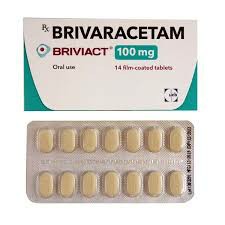
Brivaracetam (Brivaracetam) and levetiracetam (Levetiracetam) are two anti-epileptic drugs commonly used in clinical practice. Both are selective for brain neurons. SV2A (synaptic vesicle protein 2A) binding agent, mainly used to control partial seizures (focal epilepsy) and other related epilepsy types. Although the two have similar structures and the same targets, there are certain differences in pharmacological properties, clinical efficacy and safety. The following will conduct a detailed comparative analysis of Brivaracetam and Levetiracetam from multiple dimensions to help patients and doctors better choose a suitable treatment plan.
1. Comparison of pharmacological mechanisms and pharmacokinetics
Levetiracetam, as the first generationSV2A binding agent, has good anti-epileptic activity and fewer drug interactions, and is widely used in the treatment of epilepsy. Brivaracetam is a structural analog of levetiracetam and a second-generation SV2A binding agent. Its affinity for the SV2A receptor is about 15 to 30 times that of levetiracetam, so it theoretically has greater potential to inhibit epileptic seizures.
In terms of pharmacokinetics, brivaracetam is rapidly absorbed and has high bioavailability. Its metabolic pathway is different from that of levetiracetam. It is mainly metabolized through hydroxylation in the liver and has various excretion pathways. Both drugs have linear pharmacokinetics, but brivaracetam has a shorter half-life of approximately 7-8 hours and requires twice daily dosing, while levetiracetam has a half-life of approximately 6-8 hours and is usually administered twice daily. Brivaracetam's higher affinity allows for a faster onset of action and potentially lower doses in some patients.
2. Comparison of clinical efficacy
A large number of clinical studies have shown that brivaracetam has outstanding efficacy in controlling partial seizures. Compared with levetiracetam, brivaracetam showed higher remission rates and a more significant reduction in seizure frequency in patients with partially drug-resistant epilepsy. In some clinical trials, brivaracetam is used as adjuvant therapy, and its response rate can reach 50% to 30%-40%, and some studies are even higher, and the efficacy is dose-dependent within the dose range.
Levetiracetam has become a first-line anti-epileptic drug due to its good safety, ease of use, and wide range of indications. Although efficacy is limited in some patients with refractory epilepsy, it is stable in patients with newly diagnosed epilepsy and has minimal drug interactions. Overall, both drugs are effective in controlling partial epilepsy, but brivaracetam may have better efficacy in some patients due to its higher receptor affinity.
3. Comparison of safety and side effects
In terms of safety, levetiracetam is well tolerated, and common side effects include headache, fatigue, dizziness, and mood changes (such as irritability, anxiety). The incidence of psychiatric and behavioral side effects is relatively high, accounting for about 10%-20%. Brivaracetam has different structure and metabolism. Although the types of side effects are similar, the overall incidence rate is slightly lower, especially in terms of mental and behavioral abnormalities.
The main adverse reactions of brivaracetam include drowsiness, headache, nausea and fatigue, and most of them are mild to moderate and can be tolerated. Mood swings or anxiety may occur in a minority of patients, but are relatively rarely reported. In clinical practice, brivaracetam has little impact on cognitive function and is suitable for patients who are sensitive to psychiatric side effects.
4. Medication convenience and patient compliance
Levetiracetam is known for its simple dosing schedule and low drug interactions, making it suitable for patients taking multiple medications. And it can be provided in the form of oral administration, injection or sustained-release tablets, making it convenient for different patients to use. Brivaracetam is currently mainly taken in oral form, and due to its short half-life, it often needs to be taken twice a day, requiring patients to have good medication compliance.
From the perspective of drug cost, there are many generic versions of levetiracetam, and the price is relatively affordable; as a newer drug, brivaracetam is relatively expensive, and some countries and regions have not yet been included in the medical insurance reimbursement system, placing a heavy burden on patients.
5. Comprehensive evaluation and clinical application suggestions
Overall, both brivaracetam and levetiracetam are effectiveSV2A combinations with antiepileptic drugs. Levetiracetam is widely used as a first-line treatment drug because of its safety, affordable price, and wide range of applications. Brivaracetam has shown advantages in some refractory patients and patients with poor response to levetiracetam due to its high affinity and better tolerability. Clinical selection should be based on multiple factors such as the patient's specific condition, tolerance, economic conditions, and combined medication.
In the future, as more clinical data and real-world evidence accumulate, brivaracetam may become the drug of choice for more and more patients, especially among patients with mild psychiatric side effects and adverse reactions to levetiracetam. Doctors should consider the characteristics of the two drugs based on the individual needs of the patient and formulate a personalized treatment plan to maximize the efficacy and quality of life.
Reference materials:https://www.drugs.com/
[ 免责声明 ] 本页面内容来自公开渠道(如FDA官网、Drugs官网、原研药厂官网等),仅供持有医疗专业资质的人员用于医学药学研究参考,不构成任何治疗建议或药品推荐。所涉药品可能未在中国大陆获批上市,不适用于中国境内销售和使用。如需治疗,请咨询正规医疗机构。本站不提供药品销售或代购服务。


