
.jpeg)
Efficacy evaluation report of Romidepsin
Romidepsin (Romidepsin), trade name Istodax, is an innovative histone deacetylase (HDAC) inhibitor specifically used to treat relapsed and refractory cutaneous T-cell lymphoma (CTCL) and peripheral T-cell lymphoma (PTCL). It specifically inhibits HDAC activity, leading to the accumulation of histone acetylation, thereby inducing tumor cell cycle arrest and apoptosis, providing a new treatment option for lymphoma patients who have poor response to traditional therapies or whose disease relapses.
Since romidepsin was approved by the US Food and Drug Administration (FDA) for the treatment of relapsed and refractory CTCL, it has demonstrated significant efficacy in clinical practice. Multiple clinical trial data support its status as a second-line or subsequent treatment option. Especially in the treatment of patients with CTCL and PTCL, romidepsin has shown encouraging response rates and improved survival.
In clinical trials, the overall response rate of romidepsin monotherapy for relapsed PTCL reached a high level. These responses ranged from complete to partial responses, resulting in substantial disease control for patients. In addition, satisfactory efficacy was also observed when romidepsin was used in combination with other drugs, such as with 5-azacytidine or pralatrexate. These combination treatment regimens not only improved the overall response rate, but also prolonged the progression-free survival of patients.
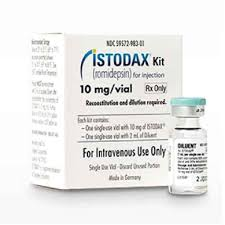
ForCTCL patients, romidepsin also shows significant efficacy. Clinical trial data show that a proportion of patients treated with romidepsin achieved complete remission, and many more patients achieved partial remission or stable disease. These efficacy evaluations are based on internationally recognized efficacy evaluation standards, ensuring the objectivity and reliability of the results.
It is worth noting that the efficacy of romidepsin is not only reflected in short-term disease control, but also in its impact on long-term survival of patients. In some clinical trials with long-term follow-up, patients treated with romidepsin showed longer survival, further confirming its value in lymphoma treatment.
However, the efficacy of romidepsin is not without limitations. Some patients may be insensitive or resistant to drugs, resulting in poor treatment efficacy. In addition, romidepsin may also cause a series of side effects, such as thrombocytopenia, nausea, electrocardiogram abnormalities, etc., which require close monitoring and management during medication.
To maximize the effectiveness of romidepsin and minimize potential risks, doctors often develop a personalized treatment plan based on the patient's specific circumstances. This includes determining appropriate dosages, treatment cycles, and combination regimens. At the same time, patients also need to actively cooperate with doctors’ treatment suggestions and maintain good living habits and mentality to improve treatment effects and quality of life.
In general, romidepsin is an innovative drugHDAC inhibitors have shown significant efficacy in the treatment of relapsed and refractory CTCL and PTCL. It provides patients with new therapeutic hope by inducing tumor cell cycle arrest and apoptosis. However, to ensure optimal outcomes and minimize potential risks, patients and physicians need to work together to develop a personalized treatment plan with close monitoring and management.
Reference link: https://www.drugs.com/mtm/romidepsin.html
[ 免责声明 ] 本页面内容来自公开渠道(如FDA官网、Drugs官网、原研药厂官网等),仅供持有医疗专业资质的人员用于医学药学研究参考,不构成任何治疗建议或药品推荐。所涉药品可能未在中国大陆获批上市,不适用于中国境内销售和使用。如需治疗,请咨询正规医疗机构。本站不提供药品销售或代购服务。


