
.jpeg)
Romidepsin (Romidepsin) side effects detailed explanation, patients need to know
Romidepsin(Romidepsin), also known as Istodax, is a highly effective drug specially used to treat relapsed and refractory cutaneous T-cell lymphoma (CTCL) and peripheral T-cell lymphoma (PTCL). It inhibits the activity of histone deacetylase (HDAC), leading to the accumulation of histone acetylation, thereby inducing tumor cell cycle arrest and apoptosis, providing patients with new treatment options. However, like many other powerful drugs, romidepsin may also cause a series of side effects during treatment, and patients should be fully aware of this before use.
Side effects of romidepsin involve multiple systems, with the digestive system being one of the most commonly affected. Many patients may experience nausea and vomiting while receiving romidepsin. This discomfort usually occurs within a few days of starting treatment and may gradually lessen as treatment continues. Additionally, diarrhea, indigestion, and loss of appetite are common digestive side effects. To relieve these symptoms, patients may need to adjust their eating habits or use anti-nausea medications under the guidance of a doctor.
In addition to the digestive system, systemic symptoms are also one of the common side effects of romidepsin. Fatigue is a major complaint reported by many patients, which can impact patients' daily life and work. Therefore, during treatment, patients need more rest to cope with this fatigue. Headache and insomnia are also possible systemic symptoms, which may increase or decrease as treatment continues.
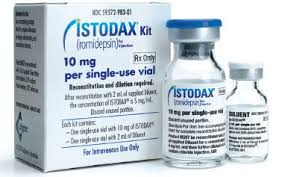
Skin reactions are also a concerning side effect of romidepsin. Some patients may develop a rash during treatment, which may be accompanied by itching and blistering. In rare cases, the rash may develop into a severe allergic skin reaction requiring immediate medical attention.
In terms of electrolytes, romidepsin may cause electrolyte disorders such as hypocalcemia and hypokalemia. These changes may affect heart function and nerve conduction, so patients need to regularly monitor electrolyte levels and make necessary adjustments under the guidance of a doctor.
The blood system is also an important aspect of romidepsin side effects. During treatment, patients may develop thrombocytopenia, leukopenia (including neutropenia and lymphopenia), and anemia. These hematological abnormalities may increase the risk of infection and affect the patient's overall health. Therefore, patients need to undergo regular blood tests and make necessary dose adjustments or therapeutic interventions under the guidance of a doctor.
In terms of the cardiovascular system, romidepsin may cause cardiovascular problems such as arrhythmias, heart block, andQT interval prolongation. These side effects may have a serious impact on the patient's heart function, so during the use of romidepsin, patients need to closely monitor ECG changes and seek medical attention promptly if any discomfort occurs.
In addition, romidepsin may also cause other potential side effects, such as fever, severe infection, etc. The incidence and severity of these side effects vary among individuals, so patients need to pay close attention to their physical condition and maintain communication with their doctor.
In short, romidepsin is an efficient treatment for relapsed and refractory patientsAlthough CTCL and PTCL drugs have significant efficacy, they may also cause a series of side effects. Patients should fully understand these side effects before use and closely monitor their physical condition during treatment. Through close collaboration with their doctor and regular check-ups and monitoring, patients can ensure that their treatment is effective and safe.
Reference link: https://www.drugs.com/mtm/romidepsin.html
[ 免责声明 ] 本页面内容来自公开渠道(如FDA官网、Drugs官网、原研药厂官网等),仅供持有医疗专业资质的人员用于医学药学研究参考,不构成任何治疗建议或药品推荐。所涉药品可能未在中国大陆获批上市,不适用于中国境内销售和使用。如需治疗,请咨询正规医疗机构。本站不提供药品销售或代购服务。


