
.jpeg)
Analysis of the efficacy of nebivolol hydrochloride (Bystolic) in the treatment of hypertension
Nebivolol hydrochloride (Nebivolol), trade nameBystolic, is a third-generation β1 selective receptor blocker that has received widespread attention in the treatment of hypertension in recent years. Different from traditional beta blockers, Bystolic not only controls blood pressure by reducing heart rate and cardiac output, but also promotes the release of nitric oxide (NO) from the vascular endothelium, thereby dilating blood vessels and reducing peripheral resistance. This dual mechanism enables it to have a more comprehensive protective effect on the overall function of the cardiovascular system while controlling hypertension.
Multiple clinical studies have shown that Bystolic exhibits stable antihypertensive effects in the monotherapy of essential hypertension. A starting dose of 5 mg per day can effectively reduce systolic and diastolic blood pressure, and achieve ideal control levels after continuous use for 2 to 4 weeks. Compared with other antihypertensive drugs such as amlodipine and atenolol, Bystolic has a lower incidence of adverse reactions (such as edema, bradycardia) and higher patient compliance. It is especially suitable for middle-aged and elderly patients or hypertensive patients with metabolic abnormalities.
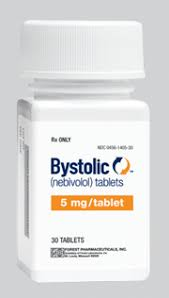
In addition, Bystolic is particularly effective in controlling hypertension combined with heart failure, diabetes or hyperlipidemia. It does not affect blood sugar and blood lipid metabolism, and even performs superiorly in improving left ventricular diastolic function. For patients with early-stage cardiac dysfunction, Bystolic can not only effectively control blood pressure, but also help delay cardiac structural remodeling and reduce the risk of cardiovascular events. It is a drug of choice for both blood pressure reduction and cardioprotection.
Overall, Bystolic’s efficacy in the treatment of hypertension has been well proven, especially for patients who require long-term medication, are intolerant to traditional beta-blockers, or have special complications. Its stable efficacy, good safety, and metabolic neutrality make it recommended as a first-line or auxiliary drug in the global hypertension treatment guidelines. In the future, with the accumulation of more real-world data, Bystolic is expected to play a greater role in personalized treatment of hypertension.
Reference materials:https://www.drugs.com/
[ 免责声明 ] 本页面内容来自公开渠道(如FDA官网、Drugs官网、原研药厂官网等),仅供持有医疗专业资质的人员用于医学药学研究参考,不构成任何治疗建议或药品推荐。所涉药品可能未在中国大陆获批上市,不适用于中国境内销售和使用。如需治疗,请咨询正规医疗机构。本站不提供药品销售或代购服务。


