
.jpeg)
What are the possible side effects of using Nebivolol Hydrochloride (Bystolic)?
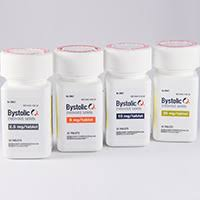
Nebivolol hydrochloride (Nebivolol), trade name: Bystolic, is a selective β1 receptor blocker, commonly used to treat hypertension and mild to moderate chronic heart failure. Unlike traditional beta-blockers, Bystolic not only effectively lowers blood pressure, but also promotes blood vessel dilation. This mechanism makes it well tolerated in clinical use. However, like all drugs, Bystolic may also cause a series of side effects, and some patients need to pay special attention during the initial use of the drug or during long-term use. The following will provide a comprehensive analysis from four aspects: common side effects, mechanisms of adverse reactions, precautions for special groups, and response suggestions.
1. Common side effects of Bystolic
According to clinical studies and drug instructions, the most common side effects after using Bystolic include fatigue, headache, dizziness, nausea, bradycardia and gastrointestinal discomfort. Most of these reactions are mild to moderate and may gradually resolve after continuing to take the medication for a period of time. For example, some patients experience mild dizziness and fatigue in the early stages of medication, which is mainly related to reduced heart rate and blood pressure fluctuations, and can generally be tolerated without special treatment. In addition, some patients have reported sleep disorders or mild anxiety, which may be related to the effect of beta receptors on the central nervous system.
Symptoms such as more pronounced bradycardia (excessive drop in heart rate), hypotension, or palpitations may occur with high doses or individual sensitivity. Some elderly people or patients with existing cardiac insufficiency should closely monitor changes in heart rate and blood pressure to avoid adverse reactions caused by improper dosage adjustment.
2. Serious but rare adverse reactions
AlthoughBystolic has a good overall safety profile, you still need to be alert to some rare but serious adverse reactions, including exacerbation of heart failure, atrioventricular block, bronchospasm and allergic reactions. Especially in patients with existing severe heart disease or respiratory diseases (such as asthma, chronic obstructive pulmonary diseaseCOPD), the condition may be worsened by beta-blocking effects.
In addition, some patients may experience peripheral circulation disorders, such as cold hands and feet, and purple skin, especially in the cold season. This is due to the fact that β-blockers reduce the dilation ability of peripheral blood vessels. Individual cases have also reported symptoms such as sexual dysfunction (such as erectile difficulties) and worsening depression, but the incidence is relatively low and more common in long-term high-dose users.
3. Risk of side effects of medication for special groups of people
The incidence and manifestations of adverse reactions to Bystolic may vary in different populations. For example, the elderly metabolize drugs more slowly and are more likely to experience cumulative side effects, such as bradycardia and low blood pressure. Since nebivolol is mainly metabolized by the liver, patients with impaired liver function should pay special attention to individualized adjustment of the dosage to avoid excessive accumulation of the drug in the body.
Pregnant and lactating women are generally not recommended to use BystolicBystolic because animal experiments show that the drug may affect fetal development, but there is insufficient human research data. There is a lack of adequate safety studies in children and adolescents under 18 years of age, and it is not recommended for use as a routine antihypertensive drug.
4. Strategies and Suggestions for Coping with Side Effects
Most minor side effects can usually be improved by adjusting the dose, switching to taking after a meal, or increasing monitoring. For example, early fatigue can be alleviated by taking the medication in divided doses or adjusting the medication time; if slight dizziness occurs, avoid excessive movements when getting up or changing positions; stomach discomfort can be alleviated by taking the medication with meals or by combining it with anti-gastric drugs.
If serious discomfort occurs, such as obvious bradycardia, difficulty breathing or skin allergies, the drug should be discontinued in time and seek medical treatment. Doctors may switch to other types of antihypertensive drugs, such as calcium channel blockers or ACEI drugs, based on patient response.
During the entire medication process, it is recommended to regularly review blood pressure, heart rate, electrolyte levels, and liver and kidney function to ensure the safe use of the medication. Patients should inform their doctor if they are taking other medications (such as calcium antagonists, diuretics, or antidepressants) to prevent drug interactions that worsen side effects.
Nebivolol hydrochloride (Bystolic), as a modern beta-blocker, has cardiovascular protective effects while lowering blood pressure, and its safety has been widely verified in clinical practice. However, inter-individual differences in tolerance still exist, and some patients may experience mild to moderate side effects, and a minority may face severe reactions. Mastering the correct knowledge about medication, taking it according to the doctor's instructions, and promptly identifying and dealing with discomfort symptoms are the keys to ensuring the effectiveness and safety of medication. For long-term hypertension management, only by choosing the type of medication that suits you and conducting individualized treatment under the guidance of a professional doctor can you achieve more ideal blood pressure control goals.
Reference materials:https://www.drugs.com/
[ 免责声明 ] 本页面内容来自公开渠道(如FDA官网、Drugs官网、原研药厂官网等),仅供持有医疗专业资质的人员用于医学药学研究参考,不构成任何治疗建议或药品推荐。所涉药品可能未在中国大陆获批上市,不适用于中国境内销售和使用。如需治疗,请咨询正规医疗机构。本站不提供药品销售或代购服务。


