
.jpeg)
Precautions for olipudase alfa-rpcp
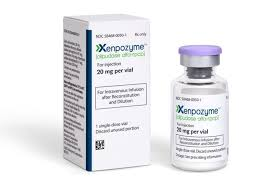
Olipadase (generic name: olipudase alfa-rpcp) is an enzyme replacement therapy used to treat acid sphingomyelinase deficiency (ASMD, Niemann-Pick diseaseB type). During the use of Olipadase, patients and doctors need to pay special attention to the following precautions to ensure the safety and effectiveness of the treatment.
Olipadase is administered via intravenous infusion. Infusion-related reactions may occur during the infusion process, such as fever, chills, rash, itching, dyspnea, hypotension, etc. These reactions are especially likely to occur at the beginning of treatment. To reduce risk, a gradually escalating dose regimen is usually used, and the infusion rate needs to be adjusted based on patient tolerance. In case of severe reaction, the infusion should be stopped immediately and treated accordingly.
Patients taking Olipadase may experience allergic reactions, manifesting as hives, facial swelling, difficulty breathing, and even anaphylactic shock. The first use and dose adjustment period should be closely monitored. If allergic symptoms occur, seek medical attention immediately. It is prohibited for those who are allergic to drug ingredients.
Olipadase may affect liver function, and some patients may experience elevated liver enzymes. Therefore, liver function indicators (such as ALT, AST, etc.) need to be monitored regularly during treatment, especially during the initial stage of treatment and dose adjustment. If liver function abnormalities are obvious, dose adjustment or medication suspension should be considered.
Some patients may develop anti-drug antibodies against olipadase, which may affect efficacy or trigger immune-related reactions. Antibodies should be monitored during treatment. If there is a decrease in treatment effect or adverse reactions, you should communicate with your doctor in time.
During treatment, indicators such as liver and spleen size and lung function need to be regularly evaluated to monitor disease control and drug efficacy. Doctors will adjust the treatment plan based on patient response.
There is currently insufficient safety data for pregnant and lactating women, and use must be done under the guidance of a doctor after weighing the pros and cons. Although some indications include children, the medication regimen must be strictly formulated by a professional doctor to avoid overdose or improper use.
Patients should inform their doctors about all medications they are taking to avoid potential drug interactions. Maintain good communication during treatment and report discomfort symptoms in a timely manner.
Reference materials:https://www.xenpozyme.com/
[ 免责声明 ] 本页面内容来自公开渠道(如FDA官网、Drugs官网、原研药厂官网等),仅供持有医疗专业资质的人员用于医学药学研究参考,不构成任何治疗建议或药品推荐。所涉药品可能未在中国大陆获批上市,不适用于中国境内销售和使用。如需治疗,请咨询正规医疗机构。本站不提供药品销售或代购服务。


