
.jpeg)
Recommended usage and dosage of Esomeprazole tablets
Esomeprazole is a proton pump inhibitor (PPI), mainly used to treat gastric acid-related diseases, such as gastroesophageal reflux disease (GERD), esophagitis, Helicobacter pylori infection, etc. Its usage and dosage need to be adjusted according to the patient's age, weight, liver function status and specific indications to ensure efficacy and reduce the risk of adverse reactions.
1. Recommended dosage for adult patients
For adult patients, the dosage of esomeprazole varies based on the indication. In the treatment of erosive esophagitis (EE), the recommended dose is 20mg or 40mg, 1 times a day, and the course of treatment is usually 4-8 weeks. If the clinical cure effect is not achieved, the treatment can be extended for 4-8 weeks. For patients with esophagitis who have been cured by maintenance therapy, the recommended dose is 20mg once a day 1 time, but the medication time should not exceed 6 months to reduce potential risks caused by long-term use.
For symptomatic gastroesophageal reflux disease (GERD), the recommended dose for adults is 20 mg once a day for 4 weeks. If the symptoms are not completely relieved, the medication can be continued for 4 weeks. In reducing the risk of gastric ulcers associated with nonsteroidal anti-inflammatory drugs (NSAID), the recommended dose is 20mg or 40mg, 1 times a day, it is also recommended not to exceed 6 months.
In the triple therapy to eradicate Helicobacter pylori infection, the recommended dose of esomeprazole is 40 mg once a day for 10 days. It needs to be used in combination with antibiotics (such as amoxicillin and clarithromycin). For pathological hyperacidity disorders (such as Zollard syndrome), the starting dose is usually 40 mg daily. an>2 times, and the dose can be adjusted according to clinical needs, up to 80mg, 3 times a day.
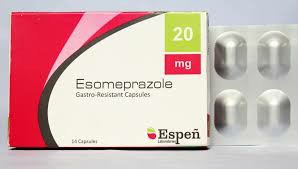
2. Dose adjustment in patients with hepatic impairment
Esomeprazole should be used with caution in patients with hepatic impairment. For patients with severe hepatic insufficiency, when treating erosive esophagitis, reducing the risk of NSAID-related gastric ulcers, or eradicating Helicobacter pylori infection, the maximum dose should not exceed 20 mg once a day. When treating Zolligan-Ellison syndrome, the starting dose should be adjusted to 20 mg twice a day to avoid adverse reactions caused by drug accumulation.
3. Recommended dosage for pediatric patients
Dosage in pediatric patients needs to be adjusted based on age and weight. For adolescents 12 to 17 years old, the recommended dose for the treatment of erosive esophagitis or symptomatic GERD is similar to that in adults, usually < span>20mgor40mg, once daily1 time, treatment course4-8 weeks. For children aged 1 to 11 years old, those weighing less than 20kg are recommended 10mg, 1 times a day; Those weighing 20kg and above can choose 10mg or 20mg, 1 times a day, and the treatment course is usually 8 weeks.
For infants from 1 months to 1 years old, the dosage needs to be adjusted strictly based on body weight: recommended for infants weighing 3kg to 5kg 2.5mg, 1 times a day; those weighing 5kg to 7.5kg are recommended 5mg, daily1 times; weight 7.5kg to 12kg recommended< /span>10mg, 1 times a day, the longest course of treatment should not exceed 6 weeks.
4. Precautions for Medication
Esomeprazole should be taken on an empty stomach, and it is generally recommended to swallow the entire tablet 30-60 minutes before breakfast to ensure optimal absorption. For patients with difficulty swallowing, the tablets may be dissolved in water to form a suspension but should not be chewed or crushed.
Long-term use of esomeprazole may increase the risk of fractures, vitaminB12 deficiency and Clostridium difficile infection, so the lowest effective dose and shortest course of treatment should be used. In elderly patients, dose adjustment is generally not necessary, but potential adverse reactions still need to be monitored.
In short, the usage and dosage of esomeprazole need to be individually formulated and combined with the patient's specific condition, age, weight and liver function to ensure safe and effective treatment of gastric acid-related diseases. During the course of medication, the efficacy should be regularly evaluated and the treatment plan should be adjusted based on clinical response.
Reference materials:https://www.drugs.com/
[ 免责声明 ] 本页面内容来自公开渠道(如FDA官网、Drugs官网、原研药厂官网等),仅供持有医疗专业资质的人员用于医学药学研究参考,不构成任何治疗建议或药品推荐。所涉药品可能未在中国大陆获批上市,不适用于中国境内销售和使用。如需治疗,请咨询正规医疗机构。本站不提供药品销售或代购服务。


