
.jpeg)
What are the recommendations for usage and dosage of adalimumab?
Adalimumab (Adalimumab) is a fully humanized monoclonal antibody that targets tumor necrosis factor α (TNF-α). It is widely used in the clinical treatment of a variety of chronic inflammatory diseases, such as rheumatoid arthritis, Crohn's disease, psoriatic arthritis, ankylosing spondylitis, plaque psoriasis, ulcerative colitis, non-infectious uveitis and hidradenitis suppurativa. Due to its wide range of indications and age range, the dosage and frequency of adalimumab administration also vary significantly depending on the type of disease and patient weight. Correctly mastering its usage and dosage is a key part of ensuring the therapeutic effect, reducing side effects, and improving compliance. The common medication regimens of this drug will be systematically analyzed below to facilitate both doctors and patients to more accurately understand its clinical usage specifications.
In the treatment of rheumatoid arthritis, psoriatic arthritis and ankylosing spondylitis in adults, the recommended starting dose of adalimumab is40 mg by subcutaneous injection every 2 weeks. In some patients who have not received methotrexate combination therapy, if the efficacy is insufficient, the dosing frequency may be considered to be adjusted to 40 mg once a week, or 80 mg every two weeks to enhance the efficacy of the drug. This flexible strategy is designed to respond to individual patient differences in inflammation levels and drug metabolism to achieve personalized treatment. For spondyloarthropathies such as psoriatic arthritis and ankylosing spondylitis, good results can usually be achieved without combining them with other immunosuppressants, but regular medication is required to control fluctuations in the condition.
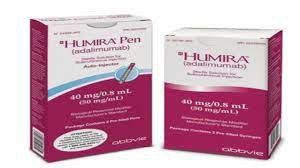
In children and adolescents, the dosage of adalimumab is strictly graded according to weight. For children with juvenile idiopathic arthritis or non-infectious pediatric uveitis, if the weight is between 10kg and 15kg, the dose of each injection is 10mg, once every two weeks; for children between 15kg and 30kg, the dose is 20mg once every two weeks; and for children and adolescents weighing more than 30kg, the standard adult dose of 40mg can be used once every two weeks. This weight-graded dosing regimen ensures efficacy while minimizing the risk of immune-related adverse reactions.
In terms of gastrointestinal diseases, such as Crohn's disease and ulcerative colitis, the dosing regimen of adalimumab is relatively more complex, with particular emphasis on the dose gradient between the induction phase and the maintenance phase. The initial dose for adults with Crohn's disease is160 mg (can be injected in 1 day or divided into 2 days), reduced to 80 mg on the 15th day, and enters the maintenance period on the 29th day, 40 mg once every two weeks. Children and adolescent patients are divided into two levels according to their weight: those weighing 17kg to less than 40kg have a starting dose of 80mg, 40mg on the 15th day, and 20mg every two weeks starting on the 29th day; while those weighing ≥40kg can be dosed according to the adult dosage schedule. A similar dose escalation is applicable to patients with ulcerative colitis, but special attention is required: if there is no obvious clinical response after 8 weeks of continuous treatment, it is necessary to evaluate whether to discontinue treatment. For pediatric UC patients, their body weight is also crucial to dose setting. For those with low body weight, 40 mg once every other week or 20 mg once a week is recommended, while for those with high body weight, a higher dose regimen can be used.
For patients with plaque psoriasis in the field of dermatology, the recommended starting dose of adalimumab is80 mg, continuing with 40 mg after one week, every two weeks. In the treatment of adult uveitis, the same dosing strategy is adopted. Among these indications, regular medication is particularly critical. Intermittent medication often leads to recurrence of symptoms or even loss of efficacy. In addition, patients taking long-term medication need to regularly evaluate their immune function and infection risk to prevent the accumulation of potential adverse reactions.
Adalimumab has shown strong ability to regulate inflammation when treating hidradenitis suppurativa, a complex chronic skin disease. The adult dose is 160 mg on the first day and 80 mg on the 15th day. Starting from the 29th day, you can continue to use 80 mg once every two weeks, or divide it into a 40 mg once a week regimen. For adolescents aged 12 years and above, the dose is still set according to body weight: those between 30kg and under 60kg receive 80mg on the 1st day, and 40mg every two weeks from the 8th day; those weighing more than 60kg can refer to the adult plan. Since the disease has periodic relapse characteristics, the continuity of administration during the maintenance phase is crucial to the efficacy.
In general, as a long-term use of biological agents, the dosage design of adalimumab reflects a highly individualized management strategy in different diseases and age groups. Properly following the induction-maintenance treatment structure is the key to maximizing drug efficacy. Doctors also need to closely monitor patient response changes during treatment, such as drug efficacy loss, abnormal immune response, or injection site reactions. If necessary, they can adjust the dose or combine treatment strategies. In addition, patients should avoid changing dosing frequency or discontinuing medication without permission, as this may affect the continuity and effectiveness of anti-TNF therapy. For different indications, adalimumab is not a one-size-fits-all dose and needs to be comprehensively evaluated based on the specific disease course, inflammatory activity and individual metabolic conditions.
In terms of drug storage and use, adalimumab should be stored in a refrigerator at 2°C to 8°C, avoiding freezing and direct sunlight. May be left at room temperature for 15 to 30 minutes before use to reduce injection site discomfort. It is recommended to use areas rich in fat tissue such as the abdomen and thighs for subcutaneous injection, and change the injection site each time to reduce local reactions. For patients who are using it for the first time, it is recommended to complete the first injection under the guidance of a doctor or nurse, and learn the correct injection methods and precautions to ensure the safety and standardization of subsequent self-medication at home.
Reference materials:https://www.drugs.com/adalimumab.html
[ 免责声明 ] 本页面内容来自公开渠道(如FDA官网、Drugs官网、原研药厂官网等),仅供持有医疗专业资质的人员用于医学药学研究参考,不构成任何治疗建议或药品推荐。所涉药品可能未在中国大陆获批上市,不适用于中国境内销售和使用。如需治疗,请咨询正规医疗机构。本站不提供药品销售或代购服务。


