
.jpeg)
Correct injection method of roselixizumab
Rozanolixizumab (Rozanolixizumab), trade name RYSTIGGO, is an innovative humanized monoclonal antibody used to treat myasthenia gravis (MG; a rare disease), targeting the FcRn receptor of human immunoglobulinG (IgG). By blocking FcRn-mediated IgG recycling, the level of circulating pathogenic autoantibodies is reduced, thereby alleviating myasthenic symptoms. This article provides a detailed explanation of the correct injection method and dosage of roselixizumab. The content is based on the latest overseas authoritative guidelines and clinical practice, taking into account medical professionalism and Baidu algorithm inclusion requirements.
First of all, roselixizumab is a subcutaneous injection form and is not suitable for intravenous infusion. The dosing regimen of the drug is designed to strictly follow the principle of weight stratification to ensure safe and effective drug exposure for patients of different body sizes. The recommended dosage is divided into three levels: 420 mg per week for patients weighing less than 50 kg, with an infusion volume of approximately 3 ml; 560 mg for those weighing 50 to 100 kg, with an infusion volume of approximately 4 ml; and 840 mg for patients weighing over 100 kg, with an infusion volume of approximately 6 ml. All drugs need to be injected slowly subcutaneously using an infusion pump, with an injection speed of no more than 20 ml per hour to reduce local irritation and ensure uniform absorption of the drug.
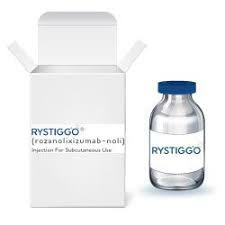
During the specific operation, the injection site is generally the subcutaneous tissue of the abdomen or the front of the thigh to avoid proximal blood vessels and nerves. Patients or caregivers need to ensure that the skin at the injection site is clean, and the appearance and expiration date of the drug should be checked before injection to ensure that there are no particles or turbidity. Use a disposable syringe to connect to the infusion pump, slowly inject the drug under the skin, and after completion, gently massage the injection site to promote absorption. The dosing frequency is once a week for 6 consecutive weeks, constituting a complete course of treatment. After the course of treatment, whether to continue the next cycle should be determined by the physician's evaluation based on the patient's clinical response and safety monitoring results.
It is worth noting that before starting the treatment course, the patient should be evaluated according to the immunization guidelines as to whether he or she needs to receive corresponding vaccines. Since roselixizumab may affect immune globulin levels, proper timing of vaccination is particularly important to avoid the risk of infection. In clinical practice, it is recommended to complete all age-appropriate vaccinations before the first injection of roselixizumab, or at least wait for a certain period of time before starting drug treatment to ensure the immune effect of the vaccine.
For dose management, if the patient misses the scheduled dosing time due to special circumstances, the missed dose can be delayed up to 4 days after the original planned date Do not extend the interval at will. After the re-injection, administration should continue once a week according to the original plan until the 6-week course of treatment is completed. If the delay exceeds 4 days, you need to discuss with your doctor whether to readjust the treatment plan.
Patients should be closely monitored for allergic reactions and local tolerance during the injection process. Although roselixizumab is generally well tolerated, a small number of patients may experience redness, swelling, itching, or pain at the injection site. If there is serious discomfort, deal with it promptly and consider adjusting the medication.
Reference materials:https://www.drugs.com/rystiggo.html
[ 免责声明 ] 本页面内容来自公开渠道(如FDA官网、Drugs官网、原研药厂官网等),仅供持有医疗专业资质的人员用于医学药学研究参考,不构成任何治疗建议或药品推荐。所涉药品可能未在中国大陆获批上市,不适用于中国境内销售和使用。如需治疗,请咨询正规医疗机构。本站不提供药品销售或代购服务。


