
.jpeg)
Safety and dosage adjustment of larotinib/larlotinib in elderly patients
The application of targeted therapy is becoming more and more common in elderly cancer patients. Larotrectinib is a broad-spectrum anti-cancer drug targeting NTRK gene fusion, and its safety in elderly patients has attracted much attention. The elderly often have multiple underlying diseases, decreased liver and kidney function, and decreased medication compliance. These factors may affect the efficacy and tolerability of targeted drugs. Therefore, reasonable dosage arrangement and individualized evaluation have become the prerequisites for ensuring medication safety.
Existing studies show that larotrectinib is generally well tolerated in elderly patients, and its adverse reactions are similar to those in younger patients, mainly including fatigue, elevated liver enzymes, constipation and mild neurological symptoms. However, due to the reduced liver metabolic function of the elderly, the clearance rate of drugs is slower and blood drug concentrations are more likely to accumulate, leading to aggravation of side effects. Therefore, monitoring should be strengthened in the early stages of treatment, and the dose should be reduced if necessary based on liver function and clinical manifestations.
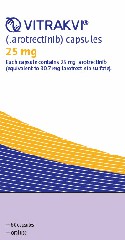
The standard recommended dose is taken orally twice a day. For elderly patients over 70 years old who are accompanied by moderate or above liver function abnormalities or who are taking multiple drugs together, they should start with a low dose, such as 100 mg twice a day, and adjust as appropriate after observing tolerance. Such dosage adjustments do not affect the efficacy, but can effectively reduce the risk of adverse reactions and improve treatment compliance.
In addition, elderly patients should closely monitor liver function, electrolyte levels and nervous system performance during medication to prevent adverse reactions from delayed treatment. If you use other metabolism-related drugs (such asCYP3A4 inhibitors or inducers) in combination, you need to be alert to fluctuations in blood drug concentrations caused by drug-drug interactions.
Considering that the elderly are more prone to dehydration, hypoalbuminemia and other conditions, it is recommended to strengthen nutritional intervention, reasonably arrange diet and work and rest, and establish a good medication compliance system, such as regular reminders or family assistance, to improve the sustainability of the efficacy.
Reference materials:https://www.vitrakvi.com/
[ 免责声明 ] 本页面内容来自公开渠道(如FDA官网、Drugs官网、原研药厂官网等),仅供持有医疗专业资质的人员用于医学药学研究参考,不构成任何治疗建议或药品推荐。所涉药品可能未在中国大陆获批上市,不适用于中国境内销售和使用。如需治疗,请咨询正规医疗机构。本站不提供药品销售或代购服务。


