
.jpeg)
Ustekinumab indications, functions and instructions analysis
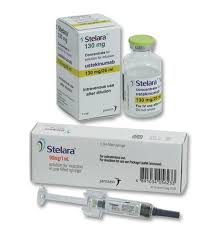
Ustekinumab (Ustekinumab) is a humanized monoclonal antibody that mainly targets interleukin-12 (IL-12< /span>) and interleukin-23 (IL-23) exert inhibitory effects. It regulates abnormal responses of the immune system by blocking the binding of these two cytokines to their receptors, thereby reducing inflammation and related pathological damage. Ustekinumab is widely used in a variety of immune-mediated diseases, especially psoriasis, psoriatic arthritis, and Crohn's disease.
1. Indications
Ustekinumab is mainly suitable for the following diseases:
1.Moderate to severe plaque psoriasis
This is one of the earliest approved indications for ustekinumab. Plaque psoriasis is a chronic inflammatory skin disease characterized by red, scaly patches of skin. Ustekinumab significantly improves skin lesions, reduces itching and inflammatory reactions, and helps patients restore skin health by inhibiting the inflammatory pathways mediated by IL-12 and IL-23.
2.Active psoriatic arthritis
Psoriatic arthritis is an inflammatory disease that affects joints and surrounding tissues. Patients not only experience skin involvement, but also joint pain, swelling, and dysfunction. Ustekinumab reduces joint inflammation, relieves symptoms, improves joint function, and delays disease progression by regulating the immune system.
3.Active Crohn's disease
Crohn's disease is a type of inflammatory bowel disease characterized by chronic inflammation of the digestive tract. Ustekinumab targets abnormally activated immune responses in the intestines, helps control inflammation, relieves symptoms such as abdominal pain and diarrhea, and improves patients' quality of life.
2. Mechanism of action
Ustekinumab is a IgG1 type humanized monoclonal antibody that can specifically bind to IL-12 and IL-23’s p40 subunit prevents these two cytokines from binding to their cell surface receptors and inhibits downstream signaling. IL-12 and IL-23 regulate TPlays a key role in cell differentiation and function and participates in the release of inflammatory cytokines. By blocking this pathway, ustekinumab effectively reduces inflammatory cell infiltration and inhibits the production of inflammatory mediators, thereby alleviating disease activity.
3. Usage and dosage
Ustekinumab is administered mainly by subcutaneous injection. Dosage regimens vary for different indications:
Psoriasis and psoriatic arthritis: The initial dose is determined based on the patient's weight (body weight≤100kg is 45mg, body weight greater than 100kg is 90mg), 4 weeks after the first dose, and then a maintenance dose every 12 weeks.
Crohn's disease: The initial dose is higher, usually 6mg/kg intravenously, and then changed to subcutaneous injection maintenance treatment once every 8 weeks.
Patients should use it under the guidance of a doctor, strictly abide by the medication plan, and conduct regular follow-up visits to evaluate efficacy and safety.
4. Adverse reactions and precautions
Common side effects of ustekinumab include upper respiratory tract infection, headache, fatigue, and injection site reactions. Immunosuppression may increase the risk of infection, especially tuberculosis and other opportunistic infections, and relevant screening needs to be performed before use. In rare cases, allergic reactions may occur. If symptoms such as difficulty breathing and rash occur, you should seek medical attention immediately.
In addition, patients should avoid receiving live vaccines during treatment, and liver and kidney function and blood routine should be monitored regularly. Pregnant and lactating women should use it with caution. It is recommended that a doctor decide whether to take the drug after assessing the risks.
Ustekinumab, as a monoclonal antibody targetingIL-12/23, has become an important drug in the treatment of various immune-mediated diseases due to its precise immunomodulatory effect. Its indications cover skin diseases, joint diseases, intestinal inflammation and other fields, and can significantly improve patients' symptoms and quality of life. Although there is a certain risk of adverse reactions, the safety and efficacy of ustekinumab are fully recognized when used properly under the guidance of a doctor. In the future, with the deepening of more clinical research, the application prospects of ustekinumab in the field of immunotherapy will be broader.
Reference materials:https://www.drugs.com
[ 免责声明 ] 本页面内容来自公开渠道(如FDA官网、Drugs官网、原研药厂官网等),仅供持有医疗专业资质的人员用于医学药学研究参考,不构成任何治疗建议或药品推荐。所涉药品可能未在中国大陆获批上市,不适用于中国境内销售和使用。如需治疗,请咨询正规医疗机构。本站不提供药品销售或代购服务。


