
.jpeg)
Which EGFR mutation types are specifically suitable for Lazertinib?
Lazertinib is a third-generation epidermal growth factor receptor tyrosine kinase inhibitor (EGFR-TKI) specifically designed to treat patients with non-small cell lung cancer (NSCLC) who carry specific EGFR mutations. It is highly targeted and can effectively inhibit EGFR sensitive mutations and drug-resistant mutations. It is especially outstanding in overcoming the drug resistance caused by the T790M mutation and has become an important clinically important targeted therapy drug.
Specifically, lanzutinib is mainly suitable for patients carrying EGFR sensitive mutations, including 19 exon deletions (Exon 19 deletion) and 21 exon L858R point mutation, these two mutations are The most common type of driver mutation in NSCLC accounts for more than 85%of EGFR mutations. Targeting these mutations, Lanzertinib can effectively block the signal transduction of tumor cells and inhibit tumor proliferation.
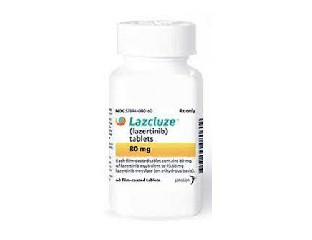
In addition, lanzutinib is particularly suitable for patients who develop the T790M resistance mutation after receiving first- or second-generation EGFR inhibitors. T790M mutation is the main mechanism of drug resistance in EGFR mutated lung cancer. Lanzertinib has strong selectivity and can effectively target and inhibit the T790M mutation to help patients delay disease progression.
In short, Lanzertinib is suitable for patients with EGFR sensitive mutations (19 exon deletion, Non-small cell lung cancer patients with exon 21L858R) and acquired drug resistance mutation T790M. Its good efficacy and tolerability make it an important choice for the treatment of patients with EGFR mutation-positive lung cancer. Patients should confirm their mutation type through genetic testing before taking the drug to formulate the best individualized treatment plan.
Reference materials:https://www.drugs.com
xa0
[ 免责声明 ] 本页面内容来自公开渠道(如FDA官网、Drugs官网、原研药厂官网等),仅供持有医疗专业资质的人员用于医学药学研究参考,不构成任何治疗建议或药品推荐。所涉药品可能未在中国大陆获批上市,不适用于中国境内销售和使用。如需治疗,请咨询正规医疗机构。本站不提供药品销售或代购服务。


