
.jpeg)
Clinical efficacy and medication regimen of clofazimine in the treatment of pulmonary tuberculosis
Clofazimine (Clofazimine) is a drug with dual antibacterial and anti-inflammatory effects. It was originally developed to treat leprosy. However, in recent years, due to its role in drug-resistant tuberculosis (especially multidrug resistance) Tuberculosis, MDR-TB and extensively drug-resistant tuberculosis, Clofazimine plays an increasingly important role in modern tuberculosis treatment strategies due to its unique pharmacological properties and activity against drug-resistant strains.
1. Mechanistic advantages of clofazimine in treating pulmonary tuberculosis
Clofazimine belongs to the rivumycin class of antibacterial drugs. It mainly kills Mycobacterium tuberculosis by inhibiting bacterialDNA replication and generating reactive oxygen free radicals. It shows good lipid solubility in the body and can be quickly distributed into lung tissue, macrophages and tuberculosis lesions, giving it unique advantages in the treatment of pulmonary tuberculosis, especially Mycobacterium tuberculosis deep in the lesions. In addition, it also has a certain anti-inflammatory effect and can slow down the tissue damage and lesion deterioration caused by tuberculosis to a certain extent.
Compared with conventional first-line anti-tuberculosis drugs (such as isoniazid, rifampicin, pyrazinamide, ethambutol), clofazimine is more effective against multi-drug-resistant tuberculosis (MDR-TB) and extensively drug-resistant strains (XDR-TB ) has shown good in vitro antibacterial activity and is therefore recommended by the World Health Organization (WHO) as the "Group" in the MDR-TB treatment plan. B” one of the drugs, which is a higher priority auxiliary drug.
2. Clinical efficacy of clofazimine in the treatment of pulmonary tuberculosis
In recent years, many countries and regions have carried out clinical studies on clofazimine in the treatment of pulmonary tuberculosis. The results show that the drug can improve the cure rate and reduce recurrence in the treatment of multi-drug-resistant and extensively drug-resistant tuberculosis. According to the tuberculosis guidelines and relevant research data released by WHO, the treatment success rate of patients 6 months to 12 months after adding clofazimine is significantly better than that without the drug.
In a multi-center study involving multiple countries, clofazimine was included in the standardMDR-TB treatment plan. The results showed that it had a statistically significant increase in the rate of sputum negative conversion, and the lung lesions were significantly absorbed and symptoms improved significantly. At the same time, the drug is well tolerated, rarely causes serious systemic side effects, and is suitable for long-term use.
It should be noted that clofazimine has strong antibacterial activity but slow onset of action, so it is usually not used for initial short-term treatment, but as a continuous medication in long-term regimens. Especially in patients who cannot use injectable drugs or other highly toxic drugs, clofazimine is regarded as the drug of choice with both safety and efficacy.
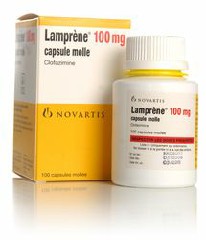
3. Medication regimen and precautions for clofazimine
In the standard treatment of pulmonary tuberculosis, clofazimine is often administered orally once a day. The recommended dose is 50mg~100mg/day. It can be adjusted appropriately according to the patient's weight, condition and tolerance. The common medication cycle is 6 to 12 months, and it can be extended to more than 18 months for some refractory or extensively drug-resistant patients. Clofazimine is usually used as part of combination therapy with other anti-tuberculosis drugs (such as bedaquiline, linezolid, fluoroquinolones, etc.) to enhance efficacy and prevent drug resistance.
During use, patients may experience some adverse reactions, the most common of which are skin discoloration (especially reddish-brown or dark brown), gastrointestinal discomfort (such as abdominal pain, diarrhea), eye or conjunctival color changes, etc. Most of these side effects are reversible and gradually resolve after stopping the drug. In rare cases, serious gastrointestinal or skin reactions may occur, so regular follow-up examinations are required during treatment.
In addition, clofazimine has a long half-life (up to more than 70 days). Once it accumulates in the body, it can still maintain a certain blood concentration after stopping the drug. Therefore, you need to be wary of adverse reactions caused by long-term accumulation. It is recommended that patients receive monitoring and guidance from professional doctors during the use of this drug, especially in multi-drug combination regimens, attention should be paid to interactions between drugs and the impact on liver and kidney function.
4. Prospects and Suggestions of Clofazimine in Treating Pulmonary Tuberculosis
As the number of patients with multidrug-resistant tuberculosis rises, traditional treatment options are gradually showing limitations. Clofazimine, as a representative of "old drugs with new uses", is becoming a key drug in the treatment of drug-resistant tuberculosis. It has been listed as one of the recommended drugs in the treatment guidelines for MDR/XDR-TB in many countries, and its global accessibility has gradually increased. Especially with the advent of generic drugs, its price and access methods have gradually been optimized.
However, clofazimine is not suitable for all types of pulmonary tuberculosis patients, and it is not recommended as the first-choice drug for patients with initial onset and good drug sensitivity. It is mainly targeted at complex cases that are highly drug-resistant or do not respond well to standard drugs. The specific medication selection needs to be comprehensively judged based on drug susceptibility test results, disease severity, previous medication history, individual tolerance and other factors.
In summary, clofazimine, as an auxiliary drug in the treatment of pulmonary tuberculosis, has shown good efficacy and high safety in the treatment of drug-resistant tuberculosis. Its status in combination regimens is increasing, providing a more feasible and effective treatment option for patients with drug-resistant tuberculosis. In the future, with the advancement of more clinical studies and the advent of new generations of anti-tuberculosis drugs, clofazimine is expected to continue to play an important role in the treatment of tuberculosis.
Reference materials:https://www.drugs.com
[ 免责声明 ] 本页面内容来自公开渠道(如FDA官网、Drugs官网、原研药厂官网等),仅供持有医疗专业资质的人员用于医学药学研究参考,不构成任何治疗建议或药品推荐。所涉药品可能未在中国大陆获批上市,不适用于中国境内销售和使用。如需治疗,请咨询正规医疗机构。本站不提供药品销售或代购服务。


