
.jpeg)
What are the common side effects of selinesol and how to deal with them?
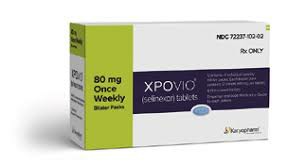
Selinexor is a selective nuclear export inhibitor (SINE). It interferes with the nuclear export mechanism of cancer cells by targeting the XPO1 protein, thereby inducing apoptosis. It is used for the treatment of multiple myeloma and certain lymphomas. Although this drug provides a new option for the treatment of refractory hematological tumors, its side effects are widespread and must be effectively managed in clinical use.
The most common side effects include fatigue, nausea, vomiting, decreased appetite, hyponatremia, thrombocytopenia, weight loss, and diarrhea. Among them, fatigue is one of the most frequently reported side effects, which may be related to cellular energy metabolism disorders and systemic inflammatory responses. For management, it is recommended that patients take moderate rest, regular lifestyle, and make medication adjustments when necessary. Nausea and vomiting are usually most obvious in the early stages of medication. Antiemetics such as ondansetron or granisetron can be used for preventive treatment. At the same time, choosing easily digestible foods when eating and ingesting small amounts at multiple times can help relieve gastrointestinal irritation.
Hematological toxicity, especially thrombocytopenia, is one of the dose-limiting toxicities of selinesol, and routine blood monitoring should be performed regularly during use. If thrombocytopenia of grade III or above occurs, suspension of medication should be considered and growth factor supportive therapy should be given. If necessary, the dose can be adjusted and medication restarted. Hyponatremia is another common electrolyte abnormality, which may be caused by water loss caused by gastrointestinal symptoms or the impact of drugs on water and sodium metabolism. In severe cases, hospitalization for sodium supplementation and enhanced monitoring is required.
Because selinesol can also cause central nervous system symptoms such as cognitive decline and decreased attention, patients should avoid high-risk operations such as driving, and use symptomatic drugs under the guidance of a doctor. In addition, weight loss is closely related to loss of appetite. It is recommended to intervene in nutritional status early and consider using appetite stimulants if necessary.
Reference materials:https://www.selincro.com/
[ 免责声明 ] 本页面内容来自公开渠道(如FDA官网、Drugs官网、原研药厂官网等),仅供持有医疗专业资质的人员用于医学药学研究参考,不构成任何治疗建议或药品推荐。所涉药品可能未在中国大陆获批上市,不适用于中国境内销售和使用。如需治疗,请咨询正规医疗机构。本站不提供药品销售或代购服务。


