
.jpeg)
What is the mechanism of action of rasagiline and how does it work?
Rasagiline is a selective, irreversible inhibitor of monoamine oxidase B (MAO-B), which is widely used in the treatment of patients with Parkinson's disease (PD). It is especially suitable for monotherapy in the early stage of the disease or in combination with levodopa in the middle and late stages of the disease to alleviate the "on-off" phenomenon. In the treatment of Parkinson's disease, rasagiline, with its unique and stable mechanism of action, has shown important clinical value in maintaining dopamine levels, improving motor symptoms and delaying neurodegeneration. To deeply understand the pharmacodynamic mechanism of this drug, we first need to understand the relationship between dopamine metabolism and the regulation of central nervous system function.
The pathological basis of Parkinson's disease is the gradual degeneration and apoptosis of dopaminergic neurons in the substantia nigra of the midbrain, resulting in a significant decrease in dopamine content in the striatum, resulting in typical symptoms such as bradykinesia, myotonia, tremor and abnormal gait. Once dopamine is synthesized, it will be released in the synaptic cleft, but it will soon be broken down and cleared by monoamine oxidase (MAO). Among them, MAO-B is the most widely distributed in brain tissue, especially in the striatum, accounting for a major proportion. Rasagiline inhibits MAO-B activity and blocks the metabolic degradation of dopamine, thereby prolonging the action time of dopamine in the synaptic cleft, improving nerve signal transmission efficiency, and fundamentally relieving Parkinson's symptoms.
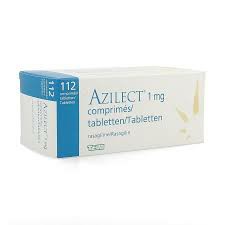
Compared with traditionalMAO-B inhibitors such as Selegiline, rasagiline has higher selectivity and stability and is not easily converted into amphetamine metabolites. Therefore, it has relatively fewer side effects, especially during long-term medication, it is less irritating to the central system. In addition, the irreversible inhibition feature of rasagiline means that once it binds to MAO-B, it will be inactivated for a long time. Even if the blood concentration is reduced, its clinical effect can still be maintained for a long time, which provides a basis for maintaining a stable therapeutic effect. Through this mechanism, rasagiline is not only effective in monotherapy, but also can reduce the dosage of levodopa, delay the progression of drug resistance, and reduce the risk of complications such as dyskinesia when used in combination with levodopa.
More importantly, studies in recent years have also found that rasagiline may have a certain neuroprotective effect. Although the mechanism of action has not yet been fully elucidated, some scholars speculate that it is related to inhibiting oxidative stress response, regulating mitochondrial function, and regulating anti-apoptotic pathways. Rasagiline has shown the potential to reduce neuronal death in cell models and animal experiments, suggesting that it is not limited to symptomatic treatment and may also delay the progression of Parkinson's disease to a certain extent.
In addition, rasagiline may also have indirect benefits on non-motor symptoms such as cognitive impairment, depression, fatigue, etc., which may be closely related to the effect of dopamine on central mood regulation. By stabilizing dopamine levels in the brain, rasagiline can help improve patients' overall mood and quality of life, although more clinical evidence is needed to confirm this.
In general, rasagiline can control the motor symptoms of Parkinson's disease by highly selectively inhibiting MAO-B enzyme activity in the brain, effectively reducing dopamine degradation and improving neurotransmitter efficiency. Its irreversible inhibition mechanism brings lasting efficacy, and its safety profile in long-term treatment is better than that of earlier similar drugs. Future research is still exploring its potential neuroprotective mechanism and whether it is applicable to other neurodegenerative diseases, such as Alzheimer's disease, which also brings new hope for the drug's diversified therapeutic value.
Reference materials:https://www.azilect.com/
[ 免责声明 ] 本页面内容来自公开渠道(如FDA官网、Drugs官网、原研药厂官网等),仅供持有医疗专业资质的人员用于医学药学研究参考,不构成任何治疗建议或药品推荐。所涉药品可能未在中国大陆获批上市,不适用于中国境内销售和使用。如需治疗,请咨询正规医疗机构。本站不提供药品销售或代购服务。


