
.jpeg)
What diseases does Clofazimine mainly treat and analysis of its therapeutic effects?
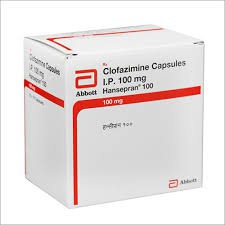
Clofazimine (Clofazimine) is a drug with dual antibacterial and anti-inflammatory effects. It was originally developed by the Swiss company Novartis and is one of the first-line drugs for the treatment of leprosy ( also known as Hansen's disease). In recent years, with further research on the pharmacological mechanism of the drug, clofazimine has also been used to treat some tuberculosis (especially drug-resistant tuberculosis) and some inflammatory skin diseases. This article will comprehensively analyze the main indications, mechanism of action, clinical effects and application status of clofazimine.
1. Main indications: leprosy and multidrug-resistant tuberculosis
Clofazimine is most widely used in the treatment of leprosy. Leprosy is a chronic infectious disease caused by Mycobacterium leprae that mainly affects the skin, peripheral nerves, eyes and upper respiratory tract. The combination treatment regimen for leprosy recommended by the World Health Organization (WHO) includes the triple therapy of rifampicin, dapsone and clofazimine. Clofazimine not only kills leprosy bacilli, but also has significant anti-inflammatory effects, helping to control inflammatory symptoms that occur during the leprosy reaction period, such as erythematous nodular leprosy reaction (ENL).
In addition to leprosy, clofazimine is also used to treat multidrug-resistant tuberculosis (MDR-TB) and extensively drug-resistant tuberculosis (XDR-TB). In recent years, with the global epidemic of drug-resistant tuberculosis, clofazimine has been reintroduced into tuberculosis treatment regimens due to its broad-spectrum inhibitory effect on Mycobacterium species. Studies have shown that clofazimine, when used in combination with bedaquiline, linezolid and other drugs, can significantly improve the treatment success rate for patients with refractory pulmonary tuberculosis, especially in cases with complex drug resistance spectrum.
2. Mechanism of action and pharmacological characteristics
Clofazimine is a phenazine dye. Its specific antibacterial mechanism is not fully understood, but studies believe that it mainly works in the following ways:
Interfering with cell wall synthesis: Clofazimine can embed into bacterial cell membranes, change the permeability of the membrane, interfere with the cell wall synthesis process, and cause bacterial death.
Promote the generation of reactive oxygen species: It can induce the formation of free radicals in cells and produce oxidative stress, thereby damaging the bacterial metabolic system.
Immunomodulatory effect: Clofazimine has anti-inflammatory effects, especially playing a key role in controlling leprosy reactions and erythematous nodular leprosy. It inhibits macrophage activity, reduces the release of cytokines, and helps control inflammatory responses.
In addition, clofazimine is highly fat-soluble and is easily accumulated in fatty tissues such as sebaceous glands, liver, spleen and skin. Therefore, long-term use may easily cause drug pigmentation and cause side effects such as skin discoloration. This accumulation also means that the drug may continue to act in the body for a period of time after discontinuation, and the half-life can be as long as more than 70 days.
3. Clinical efficacy analysis
The efficacy of clofazimine in the treatment of leprosy has been widely demonstrated. According to multiple large-scale surveys by the World Health Organization, the use of combination treatment regimens (MDT) containing clofazimine can effectively shorten the course of treatment, reduce the recurrence rate, and reduce the disability rate. In multidrug-resistant tuberculosis, although clofazimine is not a first-line anti-tuberculosis drug, its addition can enhance the overall antibacterial spectrum and improve the success rate of treatment. Multiple clinical studies have found that the three-drug regimen of clofazimine combined with bedaquiline and linezolid can achieve an effective rate of more than 70% in XDR-TB patients.
In addition, clofazimine is also used as an "immunomodulator"in some skin diseases (such as lupus erythematosus, pemphigus, recurrent eosinophilic cellulitis, etc.), and has potential value in combating chronic inflammatory and granulomatous diseases. However, most of these current indications are "off-label use" and require careful operation under the guidance of a professional doctor.
4. Adverse reactions and precautions for use
Common side effects of clofazimine include skin discoloration (brown-red or dark brown), conjunctival and corneal pigmentation, gastrointestinal discomfort (such as abdominal pain, nausea, diarrhea), photosensitivity, etc. Among them, skin discoloration is the most significant side effect. People who take the drug for a long time may develop pigmentation in exposed areas that may last for several years, and will recover slowly even after stopping the drug. Although this does not affect the efficacy of the medicine, it may have a psychological impact on patients, especially young women who need to be informed in advance.
In addition, when using clofazimine at high doses or for a long time, attention should be paid to the risk of intestinal complications, such as melanosis of the colon and intestinal obstruction, which are rare but should be taken seriously. People with poor liver and kidney function need to be closely monitored when taking medication to avoid toxic reactions caused by drug accumulation.
Clofazimine is a long-established and versatile anti-infective drug whose main indications are leprosy and multidrug-resistant tuberculosis. It has remarkable efficacy in controlling infection and inflammation through its dual effects of antibacterial and immunomodulatory effects. With the increasing number of drug-resistant pathogens, clofazimine has regained prominence in modern anti-tuberculosis treatment regimens. Although adverse effects, such as skin discoloration and gastrointestinal problems, are common, most are controllable and reversible. When using it, you need to be guided by a professional doctor, weigh the efficacy and risks, and formulate a reasonable treatment plan to achieve maximum benefit.
Reference: https://go.drugbank.com/drugs/
[ 免责声明 ] 本页面内容来自公开渠道(如FDA官网、Drugs官网、原研药厂官网等),仅供持有医疗专业资质的人员用于医学药学研究参考,不构成任何治疗建议或药品推荐。所涉药品可能未在中国大陆获批上市,不适用于中国境内销售和使用。如需治疗,请咨询正规医疗机构。本站不提供药品销售或代购服务。


