
.jpeg)
What is the usage, dosage and actual efficacy of Ivosidenib?
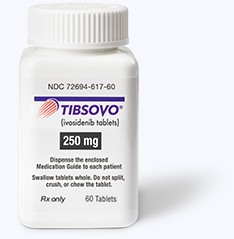
Ivosidenib (trade name Tibsovo) is an oral small molecule drug specifically targeted at cancer patients carrying IDH1 gene mutations. It is mainly used to treat acute myeloid leukemia (AML) and cholangiocarcinoma (CCA). The drug reduces the level of the carcinogenic metabolite 2-hydroxyglutarate (2-HG) by inhibiting the mutant IDH1 enzyme, thereby restoring the normal cell differentiation process and inhibiting the proliferation of tumor cells.
Usage and dosage
The recommended dose of ivonib is500 mg, taken orally once a day, for a treatment cycle of 28 days. In patients with acute myeloid leukemia (AML), ivonib can be used alone, especially in patients who are not suitable for intensive chemotherapy, or in combination with azacitidine (Azacitidine). In patients with cholangiocarcinoma (CCA), ivosidenib is indicated as monotherapy in patients with previously treated IDH1 mutation-positive patients.
clinical efficacy
In patients with acute myeloid leukemia (AML), clinical studies of ivonib showed that the complete remission (CR) rate in the monotherapy group was 41%, some The fractional response (CRh) rate was 16%, and the overall response rate (CR+CRh) was 57%. The complete remission rate of the combined azacitidine treatment group was 47.2%, and the complete remission rate with partial hematopoietic recovery (CR+CRh) was 52.8%, and the objective response rate (ORR) was 62.5%, both significantly higher than the control group using azacitidine alone. These results indicate that ivosidenib has significant efficacy in AML patients, especially in IDH1 mutation-positive patients.
In patients with cholangiocarcinoma (CCA), the III clinical trial of ivosidenibClarIDHy showed that the median progression-free survival in the ivosidenib group (PFS) was 2.7 months, compared with 1.4 months in the placebo group. The hazard ratio was 0.37, and the difference was statistically significant. In the analysis after adjusting for crossover, the median overall survival (OS) was 10.3 months in the ivonib arm compared with placebo. group was 7.5 months, and the hazard ratio was 0.79, which although did not reach statistical significance, still showed a trend survival benefit.
Safety and adverse reactions
Common adverse reactions of ivosidenib include fatigue, rash, oral ulcers, fever, nausea, vomiting, diarrhea, anemia, febrile neutropenia, thrombocytopenia, constipation and pneumonia. In clinical trials, approximately 30% of patients experienced serious adverse events, but the overall safety profile was acceptable. It should be noted that ivosidenib may cause differentiation syndrome, a potentially life-threatening complication manifested by symptoms such as fever, cough, dyspnea, rash, rapid weight gain, and lower extremity edema. Therefore, patients should closely monitor blood routine, liver and kidney function, electrolyte levels, electrocardiogram QT interval and other indicators during treatment.
Avosidenib, as the first targeted drug targeting IDH1 mutations, has shown significant efficacy in the treatment of acute myeloid leukemia and cholangiocarcinoma, especially in patients with IDH1 mutation-positive patients. Its oral delivery method and good safety profile make it a promising treatment option. However, patients should pay attention to possible adverse reactions when using ivonib, especially the occurrence of differentiation syndrome, and relevant indicators need to be closely monitored during treatment. With further research on the efficacy and safety of ivonib, it is expected that its clinical application will be more extensive, bringing new treatment hope to more IDH1 mutation-positive cancer patients.
Reference: https://go.drugbank.com/drugs/
[ 免责声明 ] 本页面内容来自公开渠道(如FDA官网、Drugs官网、原研药厂官网等),仅供持有医疗专业资质的人员用于医学药学研究参考,不构成任何治疗建议或药品推荐。所涉药品可能未在中国大陆获批上市,不适用于中国境内销售和使用。如需治疗,请咨询正规医疗机构。本站不提供药品销售或代购服务。


