
.jpeg)
What is the difference between margetuximab and trastuzumab?
Margetuximab (Margetuximab) and trastuzumab (Trastuzumab) are monoclonal antibodies targeting HER2 and are mainly used to treat HER2 positive breast cancer patients. Although the two have the same target, they are different in structural design and mechanism details, especially in the ability to activate the immune system, making margetuximab regarded as an "optimized and upgraded version" of trastuzumab. This article will analyze the differences between these two drugs from four perspectives: mechanism of action, difference in efficacy, applicable population, and clinical research.
1. The mechanism of action is the same but the immune activity is different.
Trastuzumab is the first targeted drug approved for the treatment of HER2 positive breast cancer. It binds to the HER2 receptor, blocks its downstream signaling pathways, and inhibits the proliferation of tumor cells. At the same time, it can also induce antibody-dependent cell-mediated cytotoxicity (ADCC) and recruit the human immune system to attack tumor cells. However, the immune response effects of trastuzumab vary among different groups of people. Part of the reason is related to the Fcγ receptor (FcγR) gene polymorphism in patients, which affects its affinity with immune cells.
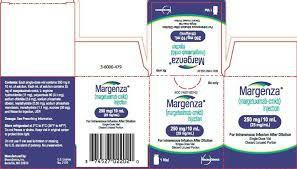
Margetuximab is structurally optimized based on trastuzumab. Its Fab fragment still targets HER2, but its Fc The fragment has been modified to have a stronger ability to bind to the FcγRIIIa receptor (CD16) in the immune system. This design improves the ADCC effect, especially in FcγRIIIa low-affinity allele carriers, which is better than trastuzumab. In short, margetuximab is more capable of activating the killing function of immune cells and has better therapeutic prospects for some patients.
2. Differences in clinical efficacy:SOPHIAResearch results
The SOPHIA study is a pivotal Phase III clinical trial directly comparing margetuximab+chemotherapy with trastuzumab+chemotherapy in HER2Outcome differences in positive metastatic breast cancer. The results showed that margetuximab combined with chemotherapy was superior to trastuzumab in terms of progression-free survival (PFS), especially in patients with specific genotypes (FcγRIIIalow-affinity type).
Specifically, among all patients, the median PFS with margetuximab plus chemotherapy was 5.8 months compared with 4.9 months with trastuzumab; γRIIIaIn the low-affinity subgroup, the median PFS in the margituximab group reached 6.9 months, while that in the control group was only 5.1 months. In addition, the disease control rate was improved in the margetuximab group, suggesting that it may lead to more durable treatment effects in certain patient groups.
3. Side effects and safety comparison
The two drugs are generally similar in terms of safety. Common adverse reactions include fatigue, nausea, diarrhea, neutropenia, etc. However, it is worth noting that margetuximab has reported a higher incidence of infusion-related reactions (IRR) in some patients, which requires close monitoring especially during the first infusion. Fortunately, most of these reactions are mild to moderate and can be controlled by slowing down the infusion rate or pretreatment drugs.
In comparison, trastuzumab has been in clinical use for more than 20 years, and its safety and side effects have been fully studied and managed. Although margetuximab is a new drug, its structure is similar to trastuzumab, so the adverse reaction spectrum is basically the same in most cases. Doctors can decide which drug to use based on the patient's past drug reactions, genetic background and disease status.
4. Applicable group selection and future development direction
Trastuzumab is still the standard first-line treatment option forHER2 positive breast cancer, especially in early breast cancer and in adjuvant therapy. Margetuximab is more suitable for the treatment of patients with HER2 targeted drugs (such as pertuzumab, T-DM1) Patients whose disease progresses despite treatment, particularly those with the FcγRIIIa low-affinity genotype, may benefit even more.
In addition, because margituximab has a stronger immune activation effect, researchers are exploring the possibility of using it in combination with immune checkpoint inhibitors, hoping to further improve the therapeutic effect of HER2 positive breast cancer. In the future, it may also be expanded to other areas of HER2-expressing solid tumors, such as gastric cancer and cholangiocarcinoma.
Margetuximab and trastuzumab are both important targeted therapies for HER2 positive breast cancer, but the former enhances the response of the immune system by optimizing the Fc fragment, bringing new hope to some patients who have poor response to trastuzumab. Although the structure and basic mechanism of the two are similar, margetuximab is more developed in the direction of "precision immune enhancement". In the future, with the popularization of genetic typing testing and the deepening of the concept of precision medicine, doctors may be able to select the most appropriate HER2 targeting program based on the patient's genetic characteristics, thereby achieving better personalized treatment effects.
Reference: https://go.drugbank.com/drugs/
[ 免责声明 ] 本页面内容来自公开渠道(如FDA官网、Drugs官网、原研药厂官网等),仅供持有医疗专业资质的人员用于医学药学研究参考,不构成任何治疗建议或药品推荐。所涉药品可能未在中国大陆获批上市,不适用于中国境内销售和使用。如需治疗,请咨询正规医疗机构。本站不提供药品销售或代购服务。


