
.jpeg)
Precautions and contraindications for patients using Darolutamide tablets
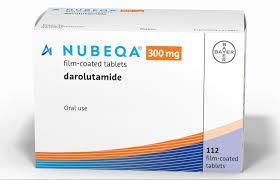
Darolutamide tablets (Darolutamide) is a non-steroidal androgen receptor inhibitor, mainly used to treat non-metastatic castration-resistant prostate cancer (nmCRPC) and explore the treatment of metastatic hormone-sensitive prostate cancer (mHSPC). During clinical use, in order to ensure its efficacy and reduce the risk of adverse reactions, patients should understand the relevant precautions and contraindications before and after taking the medication. The following content will systematically elaborate on the safety guidance points for patients using darotamide tablets.
1. Medication methods and dosage precautions
The recommended dose of dalitamide is 600mg each time (i.e. 300mg × 2 tablets), twice a day, for a total dose of 1200mg / days, which must be taken with food. Taking medicine after a meal can help enhance drug absorption and avoid the decrease in efficacy caused by taking it on an empty stomach.
Patients should take medication on time every day and maintain a regular medication schedule. If you miss a dose, you should take it as soon as possible. However, if it is close to the next dose time, it is recommended to skip it. Do not take a double dose at one time to make up for the previous missed dose. Long-term regular use is of key significance to the stable efficacy of the medicine.
2. Monitoring and evaluation during treatment
While taking darotamide, patients should undergo regular monitoring for the following:
1.Liver function test: Darostamide is metabolized by the liver in the body, and some patients may experience elevated liver enzymes. Transaminase (ALT, AST) and bilirubin levels should be monitored regularly before and during treatment. Once there is a significant increase, a timely assessment should be made as to whether the dose needs to be reduced or the medication needs to be suspended.
2.Cardiovascular monitoring: Although darolutamide is less likely to penetrate the blood-brain barrier and has mild central side effects, long-term use may still lead to cardiovascular events such as hypertension and abnormal heart rhythm. Patients with underlying heart diseases need to pay special attention to changes in blood pressure and electrocardiogram.
3.Urinary system assessment: Some patients may have urinary system symptoms such as difficulty urinating and frequent urination, which should be identified with prostatic hyperplasia and treated in time.
4.Bone density monitoring: Long-term androgen suppression may cause osteoporosis. Patients on combined therapy should evaluate their bone metabolism status and supplement calcium and vitaminsD if necessary.
3. Daily medication matters that patients should pay attention to
1.Dietary coordination: Darostamide must be taken with meals. It is not recommended to take the drug on an empty stomach. Patients should avoid ingesting large amounts of alcohol at the same time to avoid affecting liver metabolic function.
2.Properly arrange daily routine: Fatigue is one of the common adverse reactions of darotamide. Patients should arrange adequate rest and avoid overexertion or high-intensity exercise. Moderate exercise (such as walking, yoga) can actually help improve physical fitness.
3.Drug interaction management: Patients should report all prescription drugs, over-the-counter drugs and health care products they are using to their doctors. Darostamide may interact with certain drugs, especially drugs metabolized by the CYP3A4 enzyme system, such as anti-epileptic drugs, antifungal drugs, etc. Simultaneous use should be avoided.
4.Driving and operating machinery: Although the central side effects of darotamide are mild, individual patients may still experience symptoms such as fatigue and dizziness. Avoid driving or performing high-risk machinery operations during the initial treatment period or when symptoms occur.
4. Precautions for medication use in special groups
1.Elderly population: Darostamide is mainly used for prostate cancer patients, with a high proportion of the elderly. Most elderly patients do not require dose adjustment, but due to their many comorbidities, tolerance and drug-drug interactions need to be closely monitored.
2.Patients with abnormal liver and kidney function: Patients with moderate hepatic insufficiency or moderate renal insufficiency can use it normally, but regular monitoring is required. There is insufficient data to support safe use in patients with severe liver and renal impairment, and it is recommended that decisions be made after careful evaluation.
3.Children and women: Darostamide is only suitable for male patients with prostate cancer. Safety studies have not been conducted in women or children, so it is not suitable for non-adult male populations or female patients.
5. Contraindications and Usage Restrictions
The current major contraindications to darotamide include:
1.Contraindicated for those who are allergic to darotamide or its excipients: If the patient has a history of allergies to drug ingredients, he should inform his doctor and avoid use.
2.Patients with severe liver or renal impairment: Since the drug is mainly metabolized by the liver in the body, patients with severe liver disease may have an increased risk of toxicity after taking the drug and need to be carefully evaluated.
3.Pregnant women should avoid contact: Although this drug is only for men, it can be absorbed through the skin. To prevent effects on the fetus, pregnant women should not come into contact with drug residues or broken tablets.
6. Drug withdrawal and efficacy observation
Darotamide treatment should be continued under the guidance of a physician. If serious side effects occur, liver enzymes continue to rise, or the patient's tolerance decreases during treatment, the need for temporary discontinuation or dose adjustment should be evaluated. Do not stop taking the medicine without permission to avoid tumor progression or hormone fluctuations, which may lead to worsening of the condition.
At the same time, the observation of efficacy should be combined with comprehensive judgments such as imaging examinations, changes in prostate-specific antigen (PSA) levels, and it is not appropriate to evaluate the efficacy solely based on subjective symptoms.
Darotamide tablets bring a new treatment option for the treatment of prostate cancer. Its efficacy is accurate and its side effects are relatively mild. However, during use, attention must be paid to the medication method, monitoring indicators, interactions with other drugs, and medication safety for special groups of people. Patients should use medications in a standardized manner under the guidance of professional doctors, and actively cooperate with examinations and follow-up visits to achieve the best treatment results and ensure their own safety.
Reference materials:https://www.fda.gov/drugs/
[ 免责声明 ] 本页面内容来自公开渠道(如FDA官网、Drugs官网、原研药厂官网等),仅供持有医疗专业资质的人员用于医学药学研究参考,不构成任何治疗建议或药品推荐。所涉药品可能未在中国大陆获批上市,不适用于中国境内销售和使用。如需治疗,请咨询正规医疗机构。本站不提供药品销售或代购服务。


