
.jpeg)
Indications for Lazertinib in non-small cell lung cancer
Lazertinib is a third-generation epidermal growth factor receptor (EGFR) tyrosine kinase inhibitor (TKI< /span>), specially developed for patients with EGFR mutated non-small cell lung cancer (NSCLC). It can effectively inhibit the kinase activity of common EGFR sensitive mutations and drug-resistant mutations (such as T790M), block the signal transduction of tumor cells, and inhibit the growth and spread of cancer cells.
Lanzatinib is mainly approved for the treatment of patients with locally advanced or metastatic non-small cell lung cancer carrying EGFR mutations. It is especially suitable for patients who have developed resistance after standard first-line EGFR inhibitor treatment and have detected T790M mutations. By targeting this resistance mutation, lanzetinib can delay disease progression and improve patient survival.
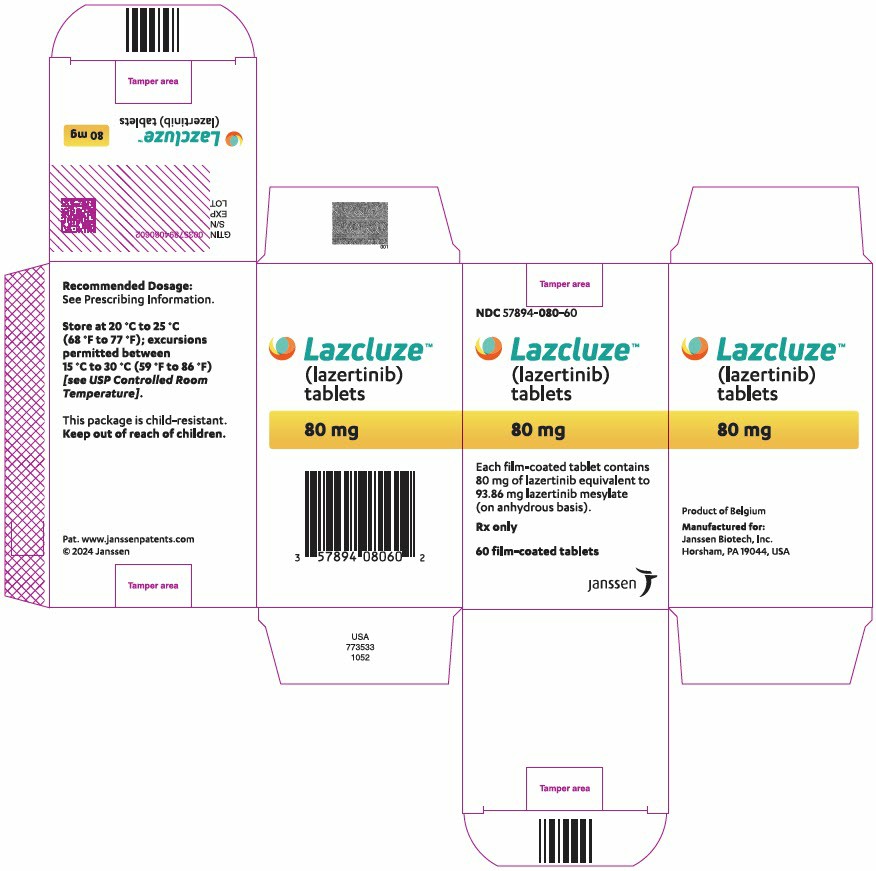
In addition to targeting patients with T790M mutations, lanzutinib has also been shown to be sensitive to EGFR-sensitive mutations (such as 19exon deletion and 21L858R point mutation), and its application potential as a first-line therapeutic drug is being explored. In addition, the combination of lanzatinib and other immunotherapy or targeted drugs is also being studied, and we look forward to expanding its indications.
Lanzatinib shows good penetration and efficacy in patients with central nervous system (CNS) metastasis, and is especially suitable for patients with EGFR mutationsNSCLC with brain metastasis. At the same time, its good safety and tolerability enable elderly patients and frail patients to better tolerate treatment, providing new treatment options for these patient groups.
Reference materials:https://www.fda.gov/drugs/
[ 免责声明 ] 本页面内容来自公开渠道(如FDA官网、Drugs官网、原研药厂官网等),仅供持有医疗专业资质的人员用于医学药学研究参考,不构成任何治疗建议或药品推荐。所涉药品可能未在中国大陆获批上市,不适用于中国境内销售和使用。如需治疗,请咨询正规医疗机构。本站不提供药品销售或代购服务。


