
.jpeg)
A comprehensive interpretation of the main contents and precautions for use of amivantamab
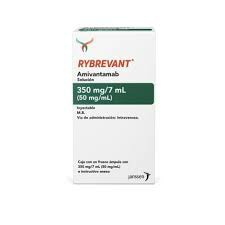
Amivantamab (Amivantamab) is a bispecific antibody drug that targets epidermal growth factor receptor (EGFR) and anaplastic lymphoma kinase (ALK) Receptor, mainly used to treat patients with non-small cell lung cancer (NSCLC) carrying EGFR exon 20 insertion mutations. As a new generation of targeted drugs, evantumumab exerts anti-tumor effects by blocking two key receptors on the surface of tumor cells, inhibiting the proliferation and survival signals of cancer cells. The following is a detailed interpretation of the main contents and precautions for use of evantumumab.
1. Basic drug information
Evantumumab is a humanized bispecificIgG1 monoclonal antibody that is administered via intravenous injection. The drug mainly acts on EGFR and MET receptors, blocking signal transduction pathways, promoting apoptosis of cancer cells, and promoting anti-tumor immune responses through immune-mediated mechanisms. The indications are patients with advanced non-small cell lung cancer who carry EGFR exon 20 insertion mutations that are resistant to traditional chemotherapy and other targeted drugs.
2. Usage and dosage
Evantumumab is administered by intravenous infusion. The first dose is usually calculated based on the patient's body surface area (mg/m²), and is subsequently administered periodically at a fixed dose. The initial treatment is generally a standardized dose injection of body surface area, followed by administration once a week, and the treatment cycle is usually 28 days. The specific dosage and frequency of administration should be adjusted by a professional physician based on the patient's weight, body surface area, and tolerance.
The infusion time is generally longer, with the initial infusion taking approximately 2 hours. Subsequent infusion times can be shortened based on patient response. Vital signs should be monitored during the infusion process to prevent infusion reactions.
3. Adverse reactions
Evantumumab may cause a variety of adverse reactions, including:
1.Infusion-related reactions: Most common in the first infusion, manifesting as fever, chills, rash, itching, hypotension, dyspnea, etc. It usually occurs within 30 minutes to 2 hours after the start of infusion. Severe cases require emergency treatment. To reduce the incidence, preventive medications such as antihistamines, corticosteroids, and antipyretic analgesics are usually given.
2.Skin reactions: rash, dryness, itching, scaling, etc. are common side effects. Skin reactions are mostly mild to moderate. Patients should pay attention to skin care and avoid strong sun exposure and irritants.
3.Gastrointestinal reactions: including nausea, diarrhea, stomatitis, etc. Symptoms are usually mild to moderate and can be relieved through symptomatic treatment.
4.Pulmonary toxicity: rare but serious, manifested as interstitial lung disease (ILD) or pneumonia. When symptoms such as dyspnea, cough, fever, etc. occur, the drug must be discontinued in time and imaging examinations must be performed.
4. Contraindications and Precautions
Evantuzumab is contraindicated in people who are allergic to its components. Special attention should be paid to the following points during use:
1.Monitor infusion reactions
Care should be taken during the first dose and early course of treatment to prepare for infusion-related allergic reactions. If severe infusion reaction occurs, treatment should be suspended or terminated, and anti-allergic and supportive treatment should be taken according to the clinical situation.
2.Pulmonary toxicity risk management
Patients who develop respiratory symptoms should promptly seek medical attention to check for pulmonary toxicity. In severe cases, the drug should be discontinued and glucocorticoid treatment should be given.
3. Liver function monitoring
Some patients may experience elevated liver enzymes. It is recommended to regularly test liver function and deal with any abnormalities in a timely manner.
4.Pregnant and lactating women
There is insufficient safety data and it is contraindicated during pregnancy. Breastfeeding patients need to weigh the pros and cons before deciding whether to continue taking the drug.
5.Be careful when using combined medications
Caution should be exercised when used in combination with other targeted drugs or chemotherapy drugs, and attention should be paid to drug interactions and toxicities.
5. Patient medication guidance
Evantumumab treatment needs to be carried out in professional medical institutions. Patients should inform their doctors in detail about their medical history, allergies and other drugs they are taking before taking the drug. During treatment, patients should maintain good living habits, eat properly, take enough rest, and report any symptoms of discomfort in a timely manner.
On the day of infusion, strenuous exercise and alcohol consumption should be avoided, and regular examinations should be conducted with the doctor, including hematological indicators, imaging evaluation and symptom monitoring, to ensure treatment effectiveness and safety.
Evantumumab is a new generation of bispecific antibody drug, which is EGFR exon20Insertion mutations provide new treatment options for patients with non-small cell lung cancer. By precisely targeting the mechanism of action, it improves the current situation of limited effectiveness of traditional treatments. Although the efficacy is significant, due to potential risks such as infusion reactions and pulmonary toxicity, it is necessary to strictly follow the instructions and doctor's recommendations during use, and conduct comprehensive monitoring and management. Only scientific and standardized medication can maximize the clinical efficacy of evantumumab and improve patients' quality of life.
Reference materials:https://www.drugs.com
[ 免责声明 ] 本页面内容来自公开渠道(如FDA官网、Drugs官网、原研药厂官网等),仅供持有医疗专业资质的人员用于医学药学研究参考,不构成任何治疗建议或药品推荐。所涉药品可能未在中国大陆获批上市,不适用于中国境内销售和使用。如需治疗,请咨询正规医疗机构。本站不提供药品销售或代购服务。


