
.jpeg)
Evaluation of the efficacy and clinical application of clofazimine in the treatment of pulmonary tuberculosis
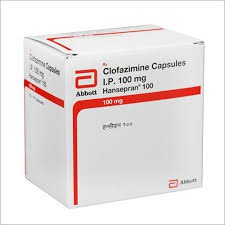
Clofazimine (Clofazimine) was originally a drug used to treat leprosy. With the deepening of research, its potential in fighting mycobacterial diseases has been gradually discovered, especially in resistant patients. It has shown certain efficacy in the treatment of drug-induced tuberculosis (such as multidrug-resistant tuberculosisMDR-TB and extensively drug-resistant tuberculosisXDR-TB). Clofazimine has the effect of inhibiting the cell wall synthesis of Mycobacterium tuberculosis and inhibiting its electron transport chain, thus exerting a bacteriostatic or bactericidal effect. It is suitable for use in combination with other anti-tuberculosis drugs to improve the overall treatment success rate.
In clinical applications, clofazimine is not used as a first-line treatment for tuberculosis, but is mostly used as a supplement when standard treatments fail or drug resistance exists. Multiple clinical trials and actual medication cases have shown that the combined use of clofazimine with bedaquiline, linezolid, levofloxacin and other drugs can significantly improve the cure rate of drug-resistant pulmonary tuberculosis, shorten the treatment cycle for some patients, and reduce the recurrence rate. Due to its strong lipid solubility, clofazimine is widely distributed in the body and is especially easily concentrated in lung tissue. This characteristic gives it an advantage in tissue penetration in the treatment of tuberculosis.
However, the side effects of clofazimine cannot be ignored. The most common ones are skin pigmentation, dry skin, gastrointestinal discomfort, etc. Among them, skin discoloration may last for many years, causing psychological distress to some patients. In addition, the drug has a relatively slow onset of action and has limited effectiveness when used alone, so its use in combination with other anti-tuberculosis drugs is always recommended. During the treatment process, the patient's liver and kidney function, electrolyte levels and drug interactions need to be closely monitored to ensure medication safety.
Overall, clofazimine has certain application value in the treatment of pulmonary tuberculosis, especially drug-resistant tuberculosis, and is particularly suitable for use in combination treatment strategies to enhance the antibacterial spectrum and reduce the risk of drug resistance. Although it has not been widely used as a first-line drug, it provides a new treatment option for drug-resistant patients in the context of the current severe global anti-tuberculosis situation. In the future, if there is more evidence-based medical data supporting its use in tuberculosis treatment, the scope of clinical application of clofazimine is expected to be further expanded.
Reference materials:https://www.drugs.com
[ 免责声明 ] 本页面内容来自公开渠道(如FDA官网、Drugs官网、原研药厂官网等),仅供持有医疗专业资质的人员用于医学药学研究参考,不构成任何治疗建议或药品推荐。所涉药品可能未在中国大陆获批上市,不适用于中国境内销售和使用。如需治疗,请咨询正规医疗机构。本站不提供药品销售或代购服务。


