
.jpeg)
Introduction to the main efficacy and clinical therapeutic effects of ibrutinib
Ibrutinib (also known as ibrutinib, English name: Ibrutinib) is an oral Bruton's tyrosine kinase (BTK) inhibitor. It is a targeted therapy drug and is mainly used to treat a variety of malignant tumors derived from BB cells. It inhibits the B cell receptor signaling pathway by irreversibly binding to BTK, thereby inhibiting the proliferation and survival of abnormal B cells. It is one of the core drugs for diseases such as B-cell leukemia (CLL), mantle cell lymphoma (MCL) and Waldenstrom's macroglobulinemia (WM).
In chronic lymphocytic leukemia (CLL), ibrutinib is widely used in newly diagnosed and relapsed cases/
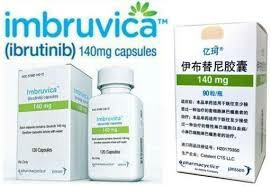
Ibrutinib also has good efficacy in mantle cell lymphoma (MCL). For patients with relapsed or refractory MCL, ibrutinib can quickly control the disease, and some patients have significant tumor shrinkage or even complete remission after treatment. Its mechanism of action not only inhibits tumor growth, but also improves the quality of life of some patients. It is especially suitable for elderly or patients with underlying diseases.
In addition, ibrutinib is also used to treat rare B cell lymphomas such as Waldenstrom's macroglobulinemia (WM), marginal zone lymphoma (MZL), and the efficacy is equally stable. With the deepening of research, the indications of ibrutinib are constantly expanding, and some studies are exploring the prospects of using it in combination with other targeted drugs or immunotherapy, showing broader clinical application potential.
Reference materials:https://www.drugs.com
[ 免责声明 ] 本页面内容来自公开渠道(如FDA官网、Drugs官网、原研药厂官网等),仅供持有医疗专业资质的人员用于医学药学研究参考,不构成任何治疗建议或药品推荐。所涉药品可能未在中国大陆获批上市,不适用于中国境内销售和使用。如需治疗,请咨询正规医疗机构。本站不提供药品销售或代购服务。


