
.jpeg)
Whether Ruxolitinib Tablets (JAKAVI) is a targeted drug and its pharmacological properties
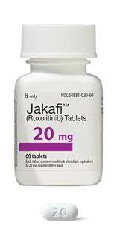
Ruxolitinib (JAKAVI, generic name: Ruxolitinib) is a targeted drug mainly used to treat myeloproliferative diseases such as myelofibrosis and polycythemia vera. It exerts its anti-inflammatory, anti-proliferative and immune-modulating effects by selectively inhibiting members of the Janus kinase (JAK) family, especially JAK1 and JAK2. The launch of ruxolitinib marks the realization of precise treatment for diseases with abnormal JAK-STAT signaling pathways, bringing new hope to patients. This article will introduce in detail the classification, pharmacological properties and clinical application value of ruxolitinib as a targeted drug.
1. Ruxolitinib is a targeted drug
Ruxolitinib is a typical targeted drug that targets JAK1 and JAK2 kinases. These two enzymes play key roles in human cell signaling. Targeted drugs are defined as drugs that can intervene against disease-specific molecular targets. Compared with traditional chemotherapy drugs, targeted drugs have higher selectivity and fewer side effects. Ruxolitinib achieves the purpose of treating myeloproliferative diseases by inhibiting abnormally activated JAK kinase, blocking the JAK-STAT signaling pathway, and inhibiting the proliferation and differentiation of abnormal cells. Therefore, ruxolitinib clearly belongs to the category of targeted therapy drugs.
2. Pharmacological mechanism and principle of action
JAK-STATThe signaling pathway is an important signaling system in cells, involved in cell growth, differentiation, survival and immune regulation. JAKkinase family members include JAK1, JAK2,
Ruxolitinib works by selectively inhibiting JAK1 and JAK2The tyrosine kinase activity blocks this signaling pathway and reduces the proliferation of abnormal cells and the production of inflammatory cytokines. Its inhibitory effect can effectively control the progression of the disease and relieve patients' symptoms, such as splenomegaly, fever, weight loss and bone pain. At the same time, ruxolitinib has relatively little impact on normal cells, so it has good safety.
3. Clinical application and efficacy
Ruxolitinib was first approved for the treatment of patients with moderate to severe myelofibrosis, including primary myelofibrosis, post-polycythemia vera myelofibrosis and myeloproliferative neoplasm-associated myelofibrosis. Clinical studies have shown that ruxolitinib can significantly improve patients' splenomegaly, improve their quality of life, relieve symptoms, and prolong their progression-free survival. The RESPONSE and COMFORT series of clinical trials have provided solid evidence for its efficacy. The patient's spleen volume was significantly reduced and symptom scores were significantly improved.
In addition, ruxolitinib is also approved for the treatment of polycythemia vera, especially in patients who have failed or are intolerant to hydroxyurea therapy. By regulating the JAK-STAT signaling pathway, ruxolitinib reduces the excessive production of red blood cells, reduces the risk of thrombosis, and improves patient prognosis.
4. Safety and medication precautions
Ruxolitinib is generally well tolerated. Common adverse reactions include anemia, thrombocytopenia, headache, fatigue, and infection. Some patients may experience mild to moderate immunosuppressive symptoms. During the medication period, blood routine and liver and kidney functions need to be monitored regularly, and the dosage should be adjusted in a timely manner to ensure safety. For patients with co-infections or immunocompromised patients, it should be used with caution and enhanced monitoring.
Since ruxolitinib targets JAK kinase, long-term use may affect immune regulation and pose a certain risk of infection, especially herpes zoster, pneumonia, etc. Therefore, patients need to pay attention to infection symptoms during the treatment process and provide anti-infective treatment when necessary. In addition, pregnant and lactating women should avoid using ruxolitinib to prevent effects on the fetus and infant.
Ruxolitinib, as a selective JAK1/JAK2 inhibitor, is clearly a targeted drug and acts on key molecular targets in myeloproliferative diseases. It controls the progression of the disease and improves patients' quality of life by inhibiting the abnormally activated JAK-STAT signaling pathway, which has high clinical value. Although there are certain adverse reactions and medication risks, with reasonable monitoring and management, ruxolitinib has become an important treatment option for diseases such as myelofibrosis and polycythemia vera. In the future, with the accumulation of more clinical data and the development of new indications, ruxolitinib's role in the field of precision medicine will become more prominent.
Reference materials:https://www.drugs.com
[ 免责声明 ] 本页面内容来自公开渠道(如FDA官网、Drugs官网、原研药厂官网等),仅供持有医疗专业资质的人员用于医学药学研究参考,不构成任何治疗建议或药品推荐。所涉药品可能未在中国大陆获批上市,不适用于中国境内销售和使用。如需治疗,请咨询正规医疗机构。本站不提供药品销售或代购服务。


