
.jpeg)
Detailed explanation of the main indications and users of Tarlatamab
Tarlatamab is a new type of anti-cancer targeted drug that belongs to the bispecific T-cell Engager (BiTE) class of drugs. This drug combines specific targets on tumor cells and CD3 molecules on T cells to accurately guide the patient's own immune cells to tumor cells, thereby activating the immune system to kill cancer cells and achieve therapeutic effects. As an innovative drug in the field of immunotherapy, talatumumab is gradually becoming an important treatment option for patients with certain malignant tumors. The following content will introduce in detail the main indications and applicable groups of talatumumab to help patients and medical staff better understand its clinical application value.
1. Main indications of talatumumab
Currently, talatumumab is mainly approved for the treatment of relapsed or refractory small cell lung cancer (SCLC). Small cell lung cancer is a type of lung cancer with high malignancy and rapid progression. Traditional chemotherapy and radiotherapy have limited efficacy and are prone to drug resistance. The emergence of talatumumab provides new treatment hope for these patients. By activating the patient's T cells, talatumumab can effectively target tumor cells expressing specific antigens (such as DLL3), enhance the immune system's ability to recognize and remove cancer cells, and improve the patient's survival and quality of life.
In addition to small cell lung cancer, talatumumab is currently undergoing clinical trials in other neuroendocrine tumors with high DLL3 expression (such as some pancreatic neuroendocrine tumors and pulmonary neuroendocrine tumors), showing potential therapeutic effects. As research continues to deepen, the indications for talatumumab may be further expanded in the future.
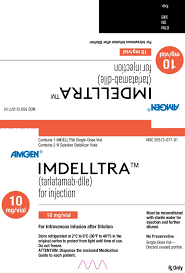
2. People who should take talatumumab
Talatumumab is suitable for adult patients 18 years old and above, especially those with small cell lung cancer who have failed, relapsed or are refractory to at least one first-line standard treatment. Due to its unique mechanism of action, talatumumab is particularly suitable for patients whose tumor cells express high levels of DLL3 antigen. Such patients often have poor results from traditional treatments but respond well to this drug.
In addition, the patient's physical condition and immune function are also important factors in determining medication. Talatumumab relies on the patient's own immune system to function, so patients with severely compromised immune function or severe infections should use it with caution. Doctors usually comprehensively evaluate whether the patient is suitable for treatment with talatumumab based on the patient's specific condition, previous treatment history, and physical status.
3. Medication precautions and monitoring
Talatumumab is generally administered via intravenous infusion, and the administration process needs to be carried out under professional hospital supervision in order to promptly detect and deal with possible infusion reactions and immune-related adverse events. Common side effects include infusion-related reactions, fatigue, fever, rash, and hematological abnormalities. In particular, immune-mediated inflammatory reactions (such as pneumonia, hepatitis, etc.) require close monitoring.
During treatment, patients need to undergo regular blood tests, liver and kidney function and immune index tests, as well as imaging examinations to evaluate the efficacy. The doctor will adjust the dose or temporarily stop the medication according to the patient's tolerance to ensure the safety and effectiveness of the treatment.
Talatumumab, as an innovative bispecific T cell-engaging antibody, creates a new model of using the patient's own immune system to accurately attack tumors. Its main indication is relapsed or refractory small cell lung cancer, and is suitable for patients with high DLL3 expression and who have undergone multiple lines of treatment. People taking the drug must have certain immune function and physical condition to ensure the best efficacy and safety of the drug. In the future, with the accumulation of more clinical data, talatumumab is expected to play an important role in more tumor types, bringing more treatment options and hope to patients.
Reference materials:https://www.drugs.com
[ 免责声明 ] 本页面内容来自公开渠道(如FDA官网、Drugs官网、原研药厂官网等),仅供持有医疗专业资质的人员用于医学药学研究参考,不构成任何治疗建议或药品推荐。所涉药品可能未在中国大陆获批上市,不适用于中国境内销售和使用。如需治疗,请咨询正规医疗机构。本站不提供药品销售或代购服务。


