
.jpeg)
Detailed introduction to the main functions and efficacy of Bortezomib
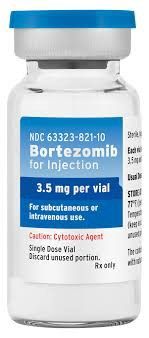
Bortezomib, with common trade names such as Velcade, is a revolutionary anti-cancer drug mainly used in the treatment of multiple myeloma (Multiple Myeloma) and mantle cell lymphoma (Mantle Cell Lymphoma). As the world's first approved proteasome inhibitor, bortezomib plays an important role in the treatment of hematological malignancies, significantly improving patients' survival and quality of life. This article will introduce in detail its main mechanism of action, indications, therapeutic efficacy and precautions for use.
1. Mechanism of action: Proteasome inhibition opens up a new direction in anti-cancer
The core mechanism of action of bortezomib is to selectively inhibit the activity of the 26S proteasome. The proteasome is an enzyme complex widely present in cells and is mainly responsible for degrading abnormal, damaged or excessive proteins. Due to their rapid proliferation, active metabolism, and higher dependence on protein metabolism, tumor cells are more susceptible to proteasome inhibition.
When bortezomib inhibits proteasome function, abnormal proteins in cells cannot be degraded in time, leading to an increase in endoplasmic reticulum stress response and induction of tumor cell apoptosis. At the same time, it can also indirectly inhibit the NF-κB signaling pathway, reduce the expression of anti-apoptotic genes, and make tumor cells easier to kill. In addition, bortezomib can interfere with the interaction of myeloma cells with the bone marrow microenvironment, blocking their growth and spread.
2. Main indications: Focus on multiple myeloma and mantle cell lymphoma
Bortezomib was initially approved by the FDA for relapsed/refractory multiple myeloma. Nowadays, it has been widely used in first-line treatment regimens, especially when combined with drugs such as thalidomide (Thalidomide), dexamethasone (Dexamethasone) or lenalidomide (Lenalidomide), which have shown significant efficacy. In newly diagnosed patients who have not received stem cell transplantation, the bortezomib combination regimen has become one of the international standards of treatment.
In addition, bortezomib is approved to treat relapsed or refractory mantle cell lymphoma, an aggressive type of non-Hodgkin lymphoma. Due to its good response rate to B cell malignancies, clinical trials are also exploring its potential in other hematological diseases, such as Waldenström's Macroglobulinemia.
3. The treatment effect is significant: prolonging survival and improving remission rate
A large number of clinical studies have confirmed that bortezomib has significant advantages in improving patients' overall response rate (ORR), prolonging progression-free survival (PFS) and overall survival (OS). For example, in a pivotal phase III clinical trial (the APEX trial), bortezomib resulted in a significantly higher overall response rate and a nearly 2 times longer median progression-free survival than high-dose dexamethasone in patients with relapsed multiple myeloma.
For treatment-naïve patients, bortezomib combination therapy (such asVTD: bortezomib+thalidomide
4. Safety and usage precautions
Although bortezomib is highly effective, its side effects cannot be ignored. The most common adverse reactions include peripheral neuropathy (such as numbness and tingling in hands and feet), gastrointestinal reactions (such as nausea, diarrhea), bone marrow suppression (such as leukopenia, thrombocytopenia), etc. Among them, neurotoxicity is the main factor limiting its dosage and period.
In recent years, clinical practice has gradually tended to use subcutaneous injection instead of intravenous injection to reduce the incidence of neurological toxicity. Also, intermittent dosing (e.g., once a week instead of twice) has been shown to improve tolerability. To further improve safety, doctors usually adjust the dose on an individual basis based on the patient's age, underlying disease conditions, and previous medication history.
In combination therapy, bortezomib may also interact with other drugs, such as anticoagulants or other immunomodulators, which require close monitoring. This drug is contraindicated in pregnant and lactating women, and adequate risk assessment and patient education are required before use.
5. Development Prospects and Clinical Research Directions
With the increasing understanding of the proteasome and its mechanism of action in tumor cells, bortezomib is no longer limited to the treatment of traditional hematological malignancies. There have been studies exploring its role in certain solid tumors, such as lung cancer and breast cancer, although the effect has not yet reached the level of hematological tumors.
In addition, second- and third-generation proteasome inhibitors (such as carfilzomibCarfilzomib and ixazomibIxazomib) have also been released one after another, providing more treatment options for patients with multiple myeloma. However, bortezomib is still used as a basic drug and maintains an important position in global treatment guidelines.
As a pioneer of proteasome inhibitors, bortezomib has created a new era of targeted therapy for multiple myeloma. By inhibiting tumor protein metabolism pathways, it achieves efficient killing of cancer cells and significantly improves patient prognosis. Although there are still certain side effects, most patients can achieve good results through reasonable medication regimens and supportive treatment. In the future, bortezomib will continue to play a key role in the treatment of hematological tumors and is expected to show potential in a wider range of indications.
Reference materials:https://www.drugs.com
[ 免责声明 ] 本页面内容来自公开渠道(如FDA官网、Drugs官网、原研药厂官网等),仅供持有医疗专业资质的人员用于医学药学研究参考,不构成任何治疗建议或药品推荐。所涉药品可能未在中国大陆获批上市,不适用于中国境内销售和使用。如需治疗,请咨询正规医疗机构。本站不提供药品销售或代购服务。


