
.jpeg)
A detailed analysis of whether amivantamab is a targeted drug or an immunotherapy drug
Amivantamab (Amivantamab) is a new type of antibody drug that belongs to the category of targeted therapy drugs, but its mechanism is relatively special and has both targeting and immunomodulatory functions. As a bispecific antibody, evantumumab can simultaneously recognize and bind to epidermal growth factor receptor (EGFR) and anaplastic lymphoma kinase (ALK), exerting inhibitory effects on these two tumor-related receptors, so it is mainly classified as a targeted therapy drug. It is mainly used to treat patients with non-small cell lung cancer who carry EGFR exon 20 insertion mutations. For these patients, traditional targeted drug treatments have limited effect. Evantumumab provides them with a new treatment option.
The targeting mechanism of evantumumab is mainly by binding to EGFR and ALK receptors on the surface of tumor cells, blocking the signaling pathways mediated by these receptors, and inhibiting tumor cell proliferation and survival. At the same time, the drug also activates the natural killer cells (NK cells) of the body's immune system to attack tumor cells through the antibody-dependent cell-mediated cytotoxicity (ADCC) mechanism. This dual mechanism allows evantumumab to directly block tumor signals and indirectly enhance the immune killing effect. Therefore, its therapeutic effect combines the characteristics of targeting and immunity.
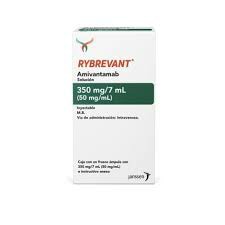
Although evantumumab has certain immunomodulatory functions, it is not an immunotherapy drug in the traditional sense. Traditional immunotherapy such as PD-1/PD-L1 inhibitors mainly restore the immune activity of T cells by lifting the suppression of the immune system by tumors, while evantumumab relies more on its specific target binding and antibody-mediated cytotoxicity to directly attack tumor cells. Therefore, evantumumab is clinically classified as a targeted therapy drug rather than a simple immune checkpoint inhibitor.
In short, evantumumab is a bispecific targeted antibody drug with an innovative mechanism, which has the dual functions of directly inhibiting tumors and activating immune cells. Its emergence has enriched the treatment options for lung cancer patients, especially patients with EGFRexon20 insertion mutations. When using it, patients should choose a reasonable treatment plan based on the doctor's recommendations and fully understand the drug's mechanism of action and potential side effects in order to obtain the best treatment effect.
Reference materials:https://www.drugs.com
[ 免责声明 ] 本页面内容来自公开渠道(如FDA官网、Drugs官网、原研药厂官网等),仅供持有医疗专业资质的人员用于医学药学研究参考,不构成任何治疗建议或药品推荐。所涉药品可能未在中国大陆获批上市,不适用于中国境内销售和使用。如需治疗,请咨询正规医疗机构。本站不提供药品销售或代购服务。


