
.jpeg)
The English abbreviation of Clofazimine and an introduction to related pharmacological basics
Clofazimine (Clofazimine), commonly known as CFZ, is a drug with anti-mycobacterial effects. It was first synthesized and developed by Swiss researchers in the 20scentury50s. CFZ was first used to treat leprosy (Hansen disease). However, in recent years, its anti-inflammatory and immunomodulatory properties have also been discovered and gradually extended to the treatment of tuberculosis (especially drug-resistant tuberculosis). Due to its unique pharmacological mechanism and broad-spectrum antibacterial activity, the clinical application value of clofazimine in the field of infectious diseases continues to increase.
Pharmacologically, clofazimine belongs to the phenazine class of antibacterial drugs. Its main mechanism of action is to inhibit the synthesis of nucleic acids and proteins by binding to bacterialDNA. CFZ also has a certain ability to generate reactive oxygen species. These free radicals can damage the bacterial membrane structure and enhance the bactericidal effect. In addition, CFZ also has anti-inflammatory effects and can reduce the body's hypersensitivity to antigens, which makes it effective in the treatment of leprosy reactive attacks. Its broad-spectrum antibacterial properties especially have a strong inhibitory effect on Mycobacterium spp.
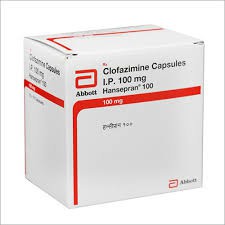
Clofazimine is a fat-soluble drug and is slowly absorbed after oral administration. However, it is widely distributed in the body and is especially easy to accumulate in the skin, adipose tissue, liver and kidneys. Its half-life is very long, reaching more than 70 days, and it can continue to exist in the body for more than several months even after stopping the drug. This feature makes it very suitable for patients with chronic infectious diseases who require long-term maintenance treatment, but it can also easily cause cumulative side effects such as skin pigmentation, so the course of treatment and dosage must be strictly controlled under the guidance of a doctor.
Currently, clofazimine is mainly used in multi-drug combination treatment regimens to combat diseases such as leprosy and multidrug-resistant tuberculosis (MDR-TB). In combined anti-tuberculosis regimens, it is often combined with drugs such as bedaquiline and linezolid. Because CFZ has shown certain efficacy in the treatment of drug-resistant tuberculosis, the World Health Organization (WHO) has also recommended its inclusion as one of the second-line or complementary treatment options in multiple guidelines. However, given that long-term use may cause pigmentation, dry skin, and gastrointestinal discomfort, individualized treatment plans should be developed clinically based on patient tolerance and disease control goals.
Reference materials:https://www.drugs.com
[ 免责声明 ] 本页面内容来自公开渠道(如FDA官网、Drugs官网、原研药厂官网等),仅供持有医疗专业资质的人员用于医学药学研究参考,不构成任何治疗建议或药品推荐。所涉药品可能未在中国大陆获批上市,不适用于中国境内销售和使用。如需治疗,请咨询正规医疗机构。本站不提供药品销售或代购服务。


