
.jpeg)
The functions, efficacy and applicable diseases of clofazimine soft capsules
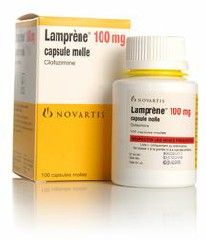
Clofazimine (Clofazimine) soft capsule is a drug with antibacterial and anti-inflammatory effects. It was originally developed to treat leprosy and still plays an important role in clinical practice. It belongs to the class of fat-soluble dye drugs with unique pharmacological properties and a wide range of indications, especially in the treatment of acid-fast bacilli infections. The following will introduce in detail the functions, efficacy and applicable diseases of clofazimine soft capsules.
1. Drug Action and Mechanism
Clofazimine mainly binds to bacterialDNA, interfering with the bacterial replication and transcription process and exerting its antibacterial effect. It has a strong inhibitory effect on Mycobacterium leprae (Mycobacterium leprae) and other non-tuberculous mycobacteria. In addition to direct antibacterial effects, clofazimine also has certain anti-inflammatory effects and can regulate the host immune response and reduce chronic inflammation and tissue damage. Its lipid solubility allows the drug to accumulate in skin, adipose tissue and macrophages, which is particularly important for the treatment of skin lesions.
2. Main functions
Clofazimine soft capsules play a central role in the treatment of leprosy and are one of the key drugs in multi-drug therapy (MDT). It can effectively kill Mycobacterium leprae, prevent disease progression and reduce the risk of infection. At the same time, clofazimine has a good alleviation effect on leprosy reactive erythema (erythema nodosum leprosum, ENL), reducing the inflammatory response of the lesions and improving the patient's quality of life.
In addition, clofazimine is used to treat other non-tuberculous mycobacterial infections, such as lung infections and skin and soft tissue infections. In recent years, studies have found that clofazimine also shows certain efficacy in partially drug-resistant Mycobacterium tuberculosis infections and has become an auxiliary drug in the treatment of multidrug-resistant tuberculosis (MDR-TB). Its anti-inflammatory effects also make it potentially useful in certain autoimmune diseases and inflammatory skin diseases.
3. Scope of applicable diseases
1.Leprosy: Clofazimine is one of the main drugs for the treatment of tuberculous and nodular leprosy. It is often used in combination with drugs such as rifampin and dapcycline to form a multi-drug combination therapy, which significantly improves the success rate of treatment.
2.Reactive erythema of leprosy (ENL): used to control immune-reactive skin inflammation in leprosy patients and reduce pain and inflammatory symptoms.
3.Non-tuberculous mycobacterial infections: include lung and skin and soft tissue infections, especially in immunocompromised patients.
4.Multidrug-resistant tuberculosis (MDR-TB): Added as an auxiliary drug to the anti-tuberculosis treatment plan to help improve the efficacy.
5.Other indications: Some studies have tried to use clofazimine to treat inflammatory skin diseases and autoimmune diseases, but more clinical evidence is needed to support it.
4. Medication precautions and side effects
Due to its lipophilic nature, clofazimine may cause color changes in the skin and body fluids after long-term use, manifesting as dark red or brown-black discoloration of the skin, which is a common side effect. Some patients may experience gastrointestinal discomfort, dry skin, itching and other symptoms. In rare cases, allergic reactions or liver function abnormalities may occur, requiring prompt medical treatment.
While patients are using clofazimine soft capsules, their liver function and blood routine should be monitored regularly, and they should follow the doctor's instructions to use the medication rationally and avoid stopping the medication or adjusting the dose on their own. Especially when treating leprosy, the combined use of multiple drugs can effectively reduce the risk of drug resistance and improve the efficacy.
In summary, clofazimine soft capsules, as a drug with unique antibacterial and anti-inflammatory effects, are widely used in the treatment of leprosy and related infectious diseases. Its effectiveness and safety have been fully verified in clinical practice. Patients should closely cooperate with their doctors during use and follow standardized treatment plans to ensure optimal efficacy and safety.
Reference materials:https://www.drugs.com
[ 免责声明 ] 本页面内容来自公开渠道(如FDA官网、Drugs官网、原研药厂官网等),仅供持有医疗专业资质的人员用于医学药学研究参考,不构成任何治疗建议或药品推荐。所涉药品可能未在中国大陆获批上市,不适用于中国境内销售和使用。如需治疗,请咨询正规医疗机构。本站不提供药品销售或代购服务。


