
.jpeg)
Mitotane, a rare adrenocortical cancer treatment drug, has regained attention and patients’ needs can be understood in one article
The international shortage of oncology drugs has become prominent, and mitotane has entered the public eye
2025 In May 2025, during the annual meeting of the American Society of Oncology (ASCO), a report on the "Global Accessibility Crisis of Rare Cancer Treatment Drugs" attracted great attention in the industry. The report pointed out that due to rising raw material costs and centralized production chains, the supply of many key drugs used to treat rare cancers is unstable, including Mitotane (Mitotane), the only specific drug for the treatment of adrenocortical cancer (ACC).
In China, althoughACC is an extremely rare malignant tumor of the endocrine system, with an annual incidence rate of less than two per million, its treatment relies heavily on the drug mitotane. Many patients are looking for "Mitotane original drug" or "generic version" on the Internet, reflecting the gap in drug protection in this rare disease field.
From Lysodren, which was first launched by Merck, to subsequent generic versions being launched overseas, Mitotane has always been in a state of "supply exceeding demand" globally. This article will introduce in detail the treatment mechanism, indications, price trends, generic drug channels and patient medication precautions of mitotane.
What kind of medicine is mitotane? Cytotoxic drugs targeting adrenocortical cells
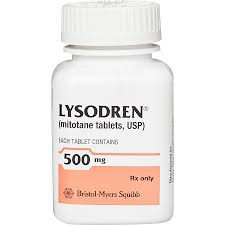
Mitotane is a synthetic DDT derivative (Dichlorodiphenyltrichloroethane), originally developed by Merck under the trade name Lysodren. Its mechanism of action is mainly by producing selective toxicity to adrenocortical cells, thereby reducing the secretion of adrenocortical hormones, thereby controlling the growth and metastasis of ACC.
In the United StatesFDA and EuropeEMAIn the drug labeling, mitotane is approved for the treatment of unresectable or recurrent and metastatic adrenocortical cancer. It is also one of the only drugs in the world recognized to significantly prolong the survival of ACC patients.
Its main mechanisms of action include:
1. Inhibit mitochondrial function and induce adrenocortical cell apoptosis;
2. Inhibit the synthesis of steroid hormones and reduce the growth stimulation of hormone-dependent tumors in the body;
3. Long-term maintenance of blood concentration is beneficial to long-term inhibition of metastasis growth.
Clinical application and treatment plan: long-term maintenance is the key to treatment
Due toACC's dangerous condition and high tumor recurrence rate, most patients need long-term adjuvant therapy with mitotane (Adjuvant Therapy) after surgery. Recommended based on international guidelines:
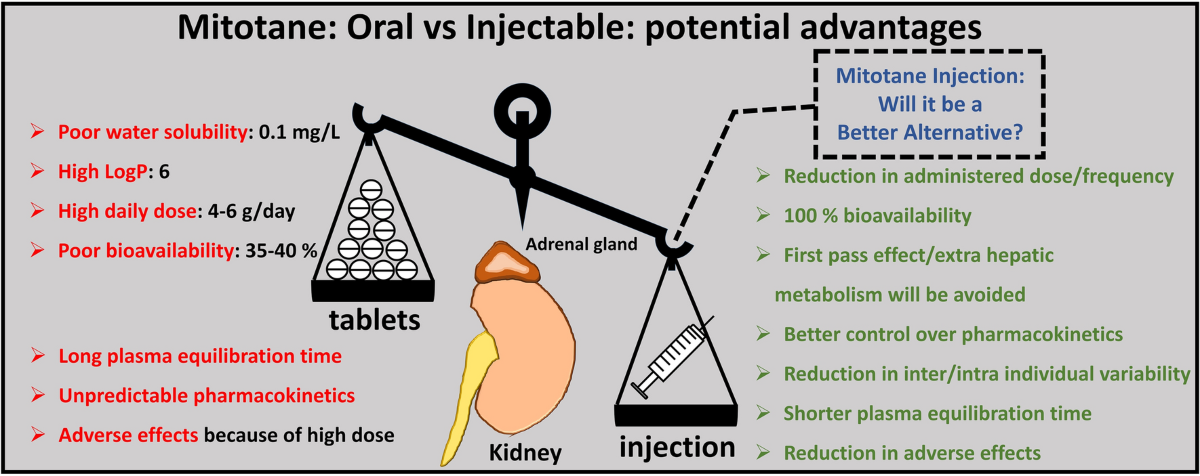
1.The starting dose is usually 2-4g per day, divided into 2~3 times;
2.Gradually increase the dose to maintain the blood concentration between 14-20 mg/L;
3.To avoid adrenal insufficiency, it is often necessary to supplement corticosteroids (such as prednisone);
4.The treatment time is usually more than 2 years, and sometimes even long-term use.
Multiple studies have shown that patients who reach target plasma concentrations have a significantly reduced risk of recurrence and a correspondingly longer overall survival. For example, a French multi-center study (Berruti et al.) showed that the 5 annual survival rate of patients in the blood drug concentration > 14mg/L group was close to 60%, which was significantly better than the low concentration group.
Attention should be paid to the adverse reactions of mitotane: the gastrointestinal, nervous, and hormonal systems are all affected
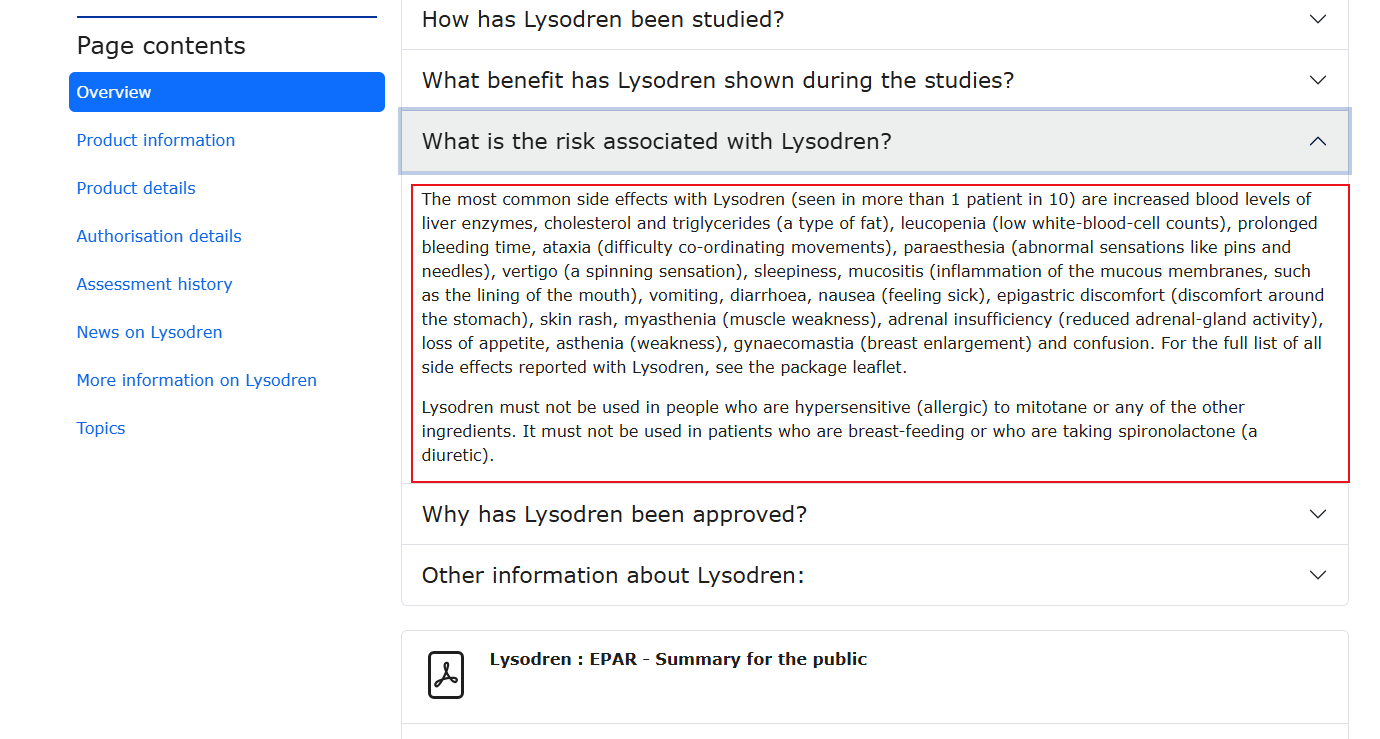
Although mitotane plays a key role in the treatment ofACC, its adverse reactions are also significant and require close monitoring. Common side effects include:
1.Gastrointestinal symptoms: such as nausea, vomiting, diarrhea, and loss of appetite, are the most common side effects, affecting more than 60% of patients;
2.Nervous system symptoms: including dizziness, ataxia, drowsiness, and cognitive retardation, especially when the blood drug concentration is too high;
3. Endocrine system effects: Due to the inhibition of steroid synthesis, secondary adrenal insufficiency is often caused, and hormone replacement is required in severe cases;
4. Effects on blood and liver function: Long-term medication may lead to elevated liver enzymes, decreased leukocytes, etc.
Therefore, it is necessary to regularly monitor blood drug concentration, liver and kidney function, electrolyte levels and hormone levels during the medication period, and cooperate with the endocrinology department for management.
Current status of drug prices and channels: Original drugs are expensive, and generic drugs have become the hope of patients
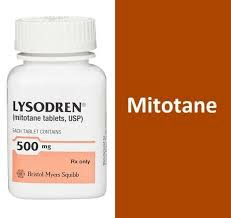
Currently, the original version of mitotane is produced by the United StatesHRA Pharma (formerly Merck & Co.), trade nameLysodren, available in the United States and Europe, single bottle (500mg*100 The price of pan>tablets is as high as 1,500 and above US dollars, and the price of domestically imported drugs is about 10,000 yuan.
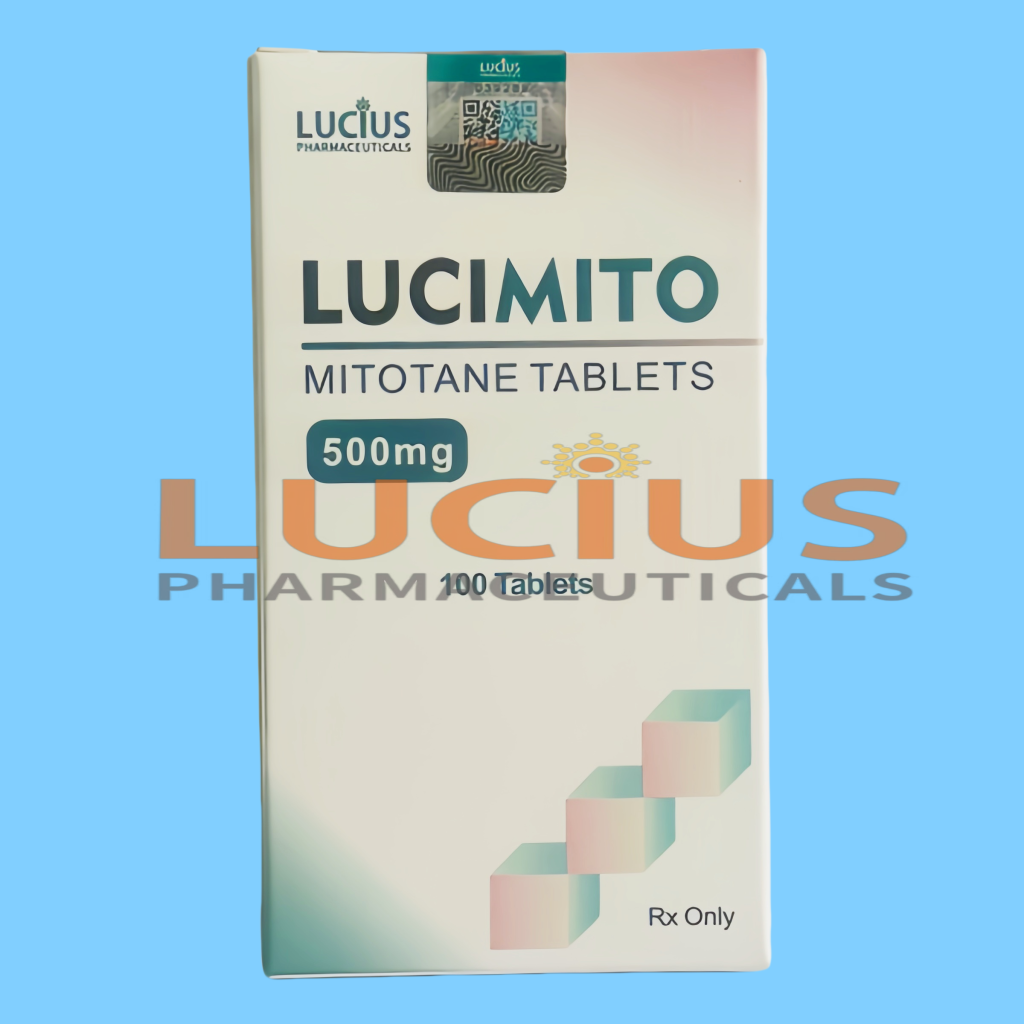
Due to high costs, some patients turn to the generic drug market. Currently, generic drugs are mainly produced in Laos. Among them, the Lao Lucius version is the lowest priced at less than 2,000 yuan, and is favored by domestic patients.
Generic drugs are mainly obtained through overseas drug purchasing platforms, purchasing agencies or cross-border medical channels, but they must be used under the guidance of a doctor and combined with regular blood drug monitoring.
Summary of patient medication precautions
Regular blood drug concentration monitoring: once every 1~2 months to ensure it is 14-20mg/L;
Add hormones as directed by your doctor: to avoid low sodium, fatigue, hypoglycemia, etc. caused by hormone deficiency;
Avoid alcohol and sedative drugs: they can aggravate neurological side effects;
Contraindicated in pregnant women: Animal experiments have confirmed that mitotane is teratogenic;
Pay attention to drug interactions: especially when used together with anti-epileptic drugs, antifungal drugs, and antibiotics, the dose needs to be adjusted;
Try to take the medicine at a fixed time: to maintain a stable blood level.
Future development trends: Multi-target combination programs and alternative drugs are under development
Although mitotane is still the main drug for the treatment ofACC, in recent years, with the deepening understanding of the molecular mechanism of adrenocortical cancer, some new treatment strategies are also emerging:
Mitotane+PD-1Inhibitor combination immunotherapy: preliminary clinical trials have been completed;
Target drug combination regimen targetingIGF-1R, VEGF pathways: such as imatinib+mitotane;
Nanodelivery system mitotane preparation: improve efficacy and reduce toxic and side effects;
New generation of adrenocortical toxin derivatives: such asORF-211198, is in the early stages of development.
Although alternative medicines are not yet mature, these explorations provide more hope for futureACC treatments.
xa0
References:
1.HRA Pharma. Lysodren (Mitotane) FDA prescribing information. https://www.accessdata.fda.gov
2.Berruti A et al. Adjuvant Mitotane Therapy for Adrenocortical Carcinoma: Long-Term Outcomes. J Clin Endocrinol Metab. 2017.
3.European Medicines Agency. Lysodren EPAR. https://www.ema.europa.eu
4.“Global Cancer Drug Shortage” – ASCO Annual Report 2025. https://www.asco.org
5.Incepta Pharmaceuticals – Mitotane product profile. https://www.inceptapharma.com
6.Rare Cancers Europe. Mitotane availability and patient access 2024 report. https://www.rarecancerseurope.org
[ 免责声明 ] 本页面内容来自公开渠道(如FDA官网、Drugs官网、原研药厂官网等),仅供持有医疗专业资质的人员用于医学药学研究参考,不构成任何治疗建议或药品推荐。所涉药品可能未在中国大陆获批上市,不适用于中国境内销售和使用。如需治疗,请咨询正规医疗机构。本站不提供药品销售或代购服务。


