
.jpeg)
Adalimumab generally works well if you take it continuously for several years
Adalimumab is an anti-TNF-α biological agent widely used in the treatment of autoimmune diseases. It is suitable for rheumatoid arthritis, ankylosing spondylitis, psoriasis, Crohn's disease and other chronic diseases. Since most of these diseases are lifelong, relapsing diseases, adalimumab usually requires long-term or even lifelong use. Then it can work best for several consecutive years, depending on the patient's disease control and tolerance to the drug.
Generally speaking, adalimumab can be used continuously for many years, and many patients still maintain good disease control after continuous treatment for 3 to 5 years or even longer. Studies have shown that after continuous treatment for more than 5 years, some patients' disease is still in remission, joint destruction is significantly slowed or stopped, and their quality of life is improved. As long as the patient does not experience serious adverse reactions, doctors usually do not actively recommend discontinuation of the drug, because continued control of inflammation is the key to preventing disease progression.
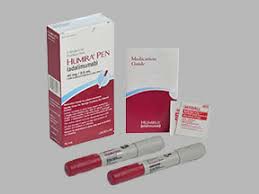
However, long-term use of adalimumab also requires attention to potential immunosuppressive risks, including infection, development of drug resistance (such as the emergence of drug-resistant antibodies), or weakening of drug efficacy. Some patients may develop antibodies to the drug after several years of use, affecting the therapeutic effect. At this time, doctors may switch to other biological agents or use them in combination with immunomodulators to prolong the drug effect and improve treatment response. Regular monitoring of inflammatory indicators, disease assessment and immune status examination are key management methods for patients taking long-term medication.
In short, adalimumab is a biological drug that can be used for a long time, even for life, and many patients can use it continuously for several years to achieve stable effects. Long-term treatment can be maintained as long as the condition is stable and there are no serious side effects or drug resistance issues. It is recommended that patients return for regular check-ups and cooperate with doctors to evaluate changes in condition and medication response in order to formulate the most appropriate treatment cycle and medication strategy to ensure maximum efficacy and reduce long-term medication risks.
Reference materials:https://www.drugs.com/donanemab.html
[ 免责声明 ] 本页面内容来自公开渠道(如FDA官网、Drugs官网、原研药厂官网等),仅供持有医疗专业资质的人员用于医学药学研究参考,不构成任何治疗建议或药品推荐。所涉药品可能未在中国大陆获批上市,不适用于中国境内销售和使用。如需治疗,请咨询正规医疗机构。本站不提供药品销售或代购服务。


