
.jpeg)
Real feedback on the efficacy of Vorasidenib and patient evaluations
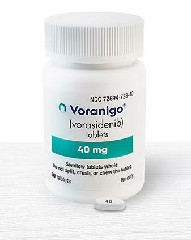
Vorasidenib is an oral small molecule targeted drug developed specifically for patients with glioma who carry IDH1 and IDH2 gene mutations. As an innovative treatment method, voroxinib blocks the abnormal metabolism of tumor cells and inhibits tumor growth and progression by inhibiting the abnormal activity of IDH enzyme. The drug is particularly suitable for patients with low-grade gliomas and some recurrent gliomas, bringing new hope to these patients for whom traditional treatments have limited effectiveness.
Clinical studies have shown that vorsidenib can effectively prolong the progression-free survival (PFS) of patients and delay disease recurrence. In multiple clinical trials, the tumor stabilization rate of patients in the voroxinib treatment group was significantly higher than that of the control group, and tumor shrinkage occurred in some patients. After using vorsidenib, the patient's quality of life improved, and his cognitive function and ability to perform daily activities were maintained to a certain extent. Patients and their families generally report that the drug is easy to use and the oral dosage form reduces the burden of treatment.
However, vorsidenib also has certain side effects, the most common of which is abnormal liver function, including elevated liver enzymes. Some patients develop symptoms such as fatigue, nausea, and rash while taking the medication. Liver function indicators need to be closely monitored and the medication regimen needs to be adjusted in a timely manner. Doctors usually develop individualized dosage plans based on the patient's specific conditions to ensure that the drug maximizes its efficacy while reducing the occurrence of adverse reactions.
Overall, vorsidenib provides an effective and relatively safe treatment option for glioma patients carryingIDH mutations. During treatment, patients should regularly review liver function and tumor indicators, and cooperate with doctors to monitor efficacy and adjust treatment plans. With the accumulation of more real-world clinical feedback and data, vorsidenib is expected to play a more important role in the field of glioma treatment, helping patients prolong their lives and improve their quality of life.
Reference materials:https://www.drugs.com/donanemab.html
[ 免责声明 ] 本页面内容来自公开渠道(如FDA官网、Drugs官网、原研药厂官网等),仅供持有医疗专业资质的人员用于医学药学研究参考,不构成任何治疗建议或药品推荐。所涉药品可能未在中国大陆获批上市,不适用于中国境内销售和使用。如需治疗,请咨询正规医疗机构。本站不提供药品销售或代购服务。


