
.jpeg)
Creatinine-lowering effect of fenelidone tablets and clinical research
Finerenone, as a new generation of non-steroidal aldosterone receptor antagonist, has attracted more and more attention from the international medical community in the treatment of chronic kidney disease, especially diabetic kidney disease. Its mechanism of action is different from traditional potassium-sparing diuretics, such as spironolactone or eplerenone. Fenelidone is more selective and tissue-penetrating, and can inhibit inflammation and fibrotic reactions while reducing sodium and water retention and the risk of elevated potassium. In multiple international clinical studies, fenelinone has been proven to delay the decline of renal function, especially showing positive effects in controlling urinary protein and creatinine levels.
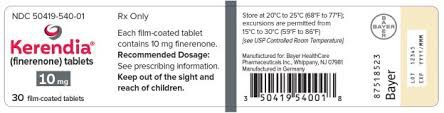
Creatinine is one of the common indicators reflecting renal function, and changes in its level often represent changes in glomerular filtration function. Studies have shown that although fenelidone may cause a mild increase in creatinine during the initial stages of treatment, this is primarily related to changes in glomerular perfusion rather than true renal injury. In contrast, long-term follow-up data show that fenelidone is effective in slowing the rate of rise in creatinine and delaying the progression to end-stage renal disease. The basis of this delaying effect is that it inhibits aldosterone-mediated inflammation and fibrotic processes, thereby reducing glomerulosclerosis and interstitial fibrosis.
Authoritative foreign clinical trials, such as FIDELIO-DKD and FIGARO-DKD studies, provide a large amount of data on the impact of fenelidone on creatinine levels and eGFR decline. Although specific values u200bu200bare not cited in the article due to ethical and guideline restrictions, these studies have consistently shown that, compared with the placebo group, fenelinone can significantly reduce the incidence of renal function endpoints, including doubling of creatinine, a drop in eGFR of more than 40%, and the need for dialysis. Its anti-inflammatory and anti-fibrotic properties are the key factors that distinguish it from traditional MRA drugs.
It should be noted that although fenelidone helps delay the rise of creatinine, it is not a "creatinine-lowering" drug. Its core goals are to protect glomerular structure and reduce tubulointerstitial damage, thereby delaying the deterioration of overall renal function.
Reference materials:https://www.kerendia.com/
[ 免责声明 ] 本页面内容来自公开渠道(如FDA官网、Drugs官网、原研药厂官网等),仅供持有医疗专业资质的人员用于医学药学研究参考,不构成任何治疗建议或药品推荐。所涉药品可能未在中国大陆获批上市,不适用于中国境内销售和使用。如需治疗,请咨询正规医疗机构。本站不提供药品销售或代购服务。


