
.jpeg)
Safety and dose adjustment of fenelidone in the elderly
Finerenone is a new type of non-steroidal selective aldosterone receptor antagonist (ns-MRA), mainly used to treat patients with type 2 diabetes combined with chronic kidney disease (CKD). In clinical practice, elderly people need to pay special attention to its safety and dose adjustment strategies when using fenelidone due to reduced renal function, multiple comorbidities, and increased sensitivity to drugs. The results of multiple overseas studies have shown that fenelidone is generally well tolerated in the elderly, but it needs to be dynamically adjusted based on individual renal function, blood potassium levels and drug interactions.
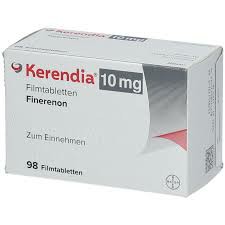
One of the most important risks when using fenelidone in the elderly is hyperkalemia (the incidence of hyperkalemia increases with age), especially patients who are combined withRAAS system drugs (such as ACEI or ARB) should be vigilant. Therefore, serum potassium concentration and estimated glomerular filtration rate (eGFR) must be assessed before starting medication. The generally recommended starting dose is 10 mg or 20 mg once daily. If the eGFR is lower than 60 mL/min/1.73m², the recommended starting dose is 10 mg. The serum potassium level needs to be closely monitored within 4 weeks of medication. If the serum potassium is ≥5.5 mmol/L, the medication should be suspended and evaluated whether to restart after recovery.
The elderly often take multiple medications together, such as potassium-sparing diuretics, NSAIDs or beta-blockers, which may interact with fenelidone. Therefore, the risk of potassium retention caused by the combination of drugs should be avoided in actual clinical use. In addition, people with mild to moderate liver function impairment can use it normally, but there is not enough data to support it for people with severe liver damage, and the pros and cons need to be weighed.
Foreign clinical guidelines recommend that before using fenelidone in elderly patients, it is best to develop an individualized treatment plan based on age, renal function, blood pressure levels and other concurrent diseases. In a subgroup analysis of elderly CKD patients, it was found that even in the elderly, fenelinone can still effectively delay the deterioration of renal function, and its effect on blood pressure is mild, and it is not likely to cause orthostatic hypotension or postural syncope and other common adverse reactions in the elderly. Therefore, with appropriate dosage and monitoring, fenelidone can become an important tool in the management of diabetic nephropathy in the elderly.
Reference materials:https://www.kerendia.com/
[ 免责声明 ] 本页面内容来自公开渠道(如FDA官网、Drugs官网、原研药厂官网等),仅供持有医疗专业资质的人员用于医学药学研究参考,不构成任何治疗建议或药品推荐。所涉药品可能未在中国大陆获批上市,不适用于中国境内销售和使用。如需治疗,请咨询正规医疗机构。本站不提供药品销售或代购服务。


