
.jpeg)
Description of common injection sites and injection techniques for Bortezomib
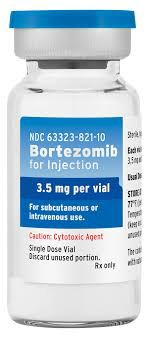
Bortezomib is a proteasome inhibitor widely used in the treatment of multiple myeloma and certain types of lymphoma. As a targeted drug, it mainly inhibits the 26S proteasome, thereby preventing the protein degradation process of tumor cells and triggering cell apoptosis. Bortezomib is mainly administered by injection, including subcutaneous injection and intravenous injection, and the selection of the injection site and the standardization of the injection technique are crucial to the efficacy of the drug and the reduction of adverse reactions.
1. Common injection routes and injection site selection of bortezomib
The administration methods of bortezomib include intravenous injection (IV) and subcutaneous injection (SC). Subcutaneous injection has gradually become the preferred method in recent years due to its simplicity of operation and low incidence of side effects.
1.Common sites for subcutaneous injection:
Abdomen (usually outside the umbilical area5 centimeters)
Anterior and lateral thighs
Posterior and lateral upper arm (below the deltoid area)
Abdominal injection is the most commonly used site because the fat layer of the skin is thicker and absorption is relatively smooth. It is also easier for patients to expose this area for medical staff to operate. If the patient's skin is scarred, dermatitis or infected, the area should be avoided.
2.Common sites for intravenous injection:
Forearm vein (cubital fossa)
dorsal hand vein
Intravenous injections need to be operated by professional nurses, and veins with thicker blood vessels and stable positions are usually selected to ensure safe drug infusion.
2. Injection skills and precautions
When injecting bortezomib, no matter which administration method is chosen, standardized injection techniques are extremely important, which are related to the drug absorption speed, local reaction degree and efficacy.
1.Subcutaneous injection techniques:
Use1ml syringe with 25-27G fine needle.
After cleaning the skin at the injection site, gently pinch the skin folds (especially on the abdomen), and insert the needle into the subcutaneous tissue at a 45 angle.
The injection speed should be slow to avoid tissue irritation.
The site of each injection should be rotated to avoid skin induration or necrosis caused by repeated injections in the same site.
Subcutaneous injection is easier for patients to accept than intravenous injection, and studies have shown that the incidence of injection-related peripheral nerve toxicity (such as numbness and pain in the limbs) is significantly reduced.
2.Intravenous injection techniques:
Professional nurses are required to perform strict aseptic operations to ensure a successful puncture in one go and reduce vascular damage.
Usually, bortezomib needs to be diluted to 3–5 ml and then injected slowly, usually for 3–5 minutes.
Pay attention to observe the patient for local pain, redness, swelling or phlebitis. If any discomfort occurs, the injection must be stopped immediately.
3. Observation and treatment of adverse reactions after injection
Although subcutaneous injections have fewer adverse reactions, problems such as local redness, swelling, itching, and induration may still occur. It is recommended that patients observe local changes after injection. If the following situations occur, they should be dealt with promptly:
Redness, swelling and induration that does not subside for more than 72 hours can be relieved with warm compresses or anti-inflammatory ointments recommended by your doctor.
If severe pain or skin necrosis occurs, seek medical attention immediately.
If systemic allergic reactions (such as dyspnea, urticaria) occur, administration should be stopped immediately and rescue treatment should be carried out.
In order to reduce side effects, doctors often recommend rotating injection sites and regularly evaluating neurotoxicity (such as numbness and tingling in hands and feet, etc.). If the patient's symptoms are obvious, the patient should evaluate whether the administration method or interval needs to be adjusted.
4. Patient self-management and nursing suggestions
Although bortezomib injections are generally administered by professionals, patients themselves should also understand basic care and observation methods:
Avoid strenuous activities on the day of injection and keep the injection area clean and dry.
Wear loose-fitting clothing to avoid rubbing the injection site.
If you inject at home, you must learn the standard operating procedures under the guidance of a nurse, and you cannot change the dose or frequency by yourself.
Regularly review liver and kidney function, electrolytes and blood routine according to the doctor's instructions so that the treatment plan can be adjusted in a timely manner.
Bortezomib has remarkable efficacy in clinical treatment, and the correct selection of the injection site and scientific injection technology play a crucial role in exerting its efficacy and reducing the risk of side effects. Subcutaneous injection is recommended because of its high safety and good tolerance, but injection specifications and care points must still be strictly followed. Patients should actively cooperate with doctors and nurses in their treatment arrangements and regularly monitor body responses to maximize treatment effects and optimize quality of life.
Reference materials:https://www.drugs.com
[ 免责声明 ] 本页面内容来自公开渠道(如FDA官网、Drugs官网、原研药厂官网等),仅供持有医疗专业资质的人员用于医学药学研究参考,不构成任何治疗建议或药品推荐。所涉药品可能未在中国大陆获批上市,不适用于中国境内销售和使用。如需治疗,请咨询正规医疗机构。本站不提供药品销售或代购服务。


