
.jpeg)
Is there a risk of relapse after discontinuation of Tarlatamab?
Tarlatamab (Tarlatamab) is a new type of bispecific T cell-activating antibody. It is mainly used to treat certain advanced or refractory tumors, such as small cell lung cancer. The drug achieves anti-cancer effects by simultaneously binding to specific antigens on the surface of tumor cells and CD3 molecules on the surface of T cells, activating T cells to kill tumor cells. Although it shows good clinical efficacy, whether patients are at risk of recurrence after stopping the drug is an important issue of clinical concern.
The risk of tumor recurrence is prevalent across many types of cancer treatments, especially in patients with advanced or highly aggressive cancers. Although talatumumab can effectively activate the immune system to attack tumors, due to the heterogeneity of tumors and immune evasion mechanisms, some patients may still have residual tumor cells after stopping the drug, leading to recurrence or progression. Therefore, stopping the drug does not mean that the disease is completely cured, and the risk of recurrence still exists.
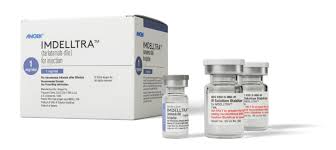
The time and probability of recurrence vary depending on individual patient differences and tumor biology. Some patients may remain in remission for a longer period of time after stopping the drug, while others may experience tumor recurrence earlier. Clinically, it is usually recommended to conduct regular follow-up and monitoring after drug withdrawal, and to detect early signs of recurrence through imaging examinations, tumor markers and other means to facilitate timely intervention.
In response to the risk of recurrence, doctors may develop a personalized follow-up treatment plan based on the patient's specific conditions, including re-administration of medication, combination with other immunotherapy or targeted therapy, etc. Patients should actively cooperate with doctors, follow follow-up arrangements, maintain good living habits, enhance physical fitness, and improve immune function to reduce the risk of recurrence and extend disease-free survival.
In summary, there is indeed a certain risk of recurrence after discontinuation of talatumumab. Reasonable monitoring and timely intervention are the keys to ensuring long-term efficacy and quality of life of patients. Patients and family members should fully understand the nature and possible risks of treatment and work closely with the medical team to jointly deal with post-treatment challenges.
Reference materials:https://www.drugs.com
[ 免责声明 ] 本页面内容来自公开渠道(如FDA官网、Drugs官网、原研药厂官网等),仅供持有医疗专业资质的人员用于医学药学研究参考,不构成任何治疗建议或药品推荐。所涉药品可能未在中国大陆获批上市,不适用于中国境内销售和使用。如需治疗,请咨询正规医疗机构。本站不提供药品销售或代购服务。


