
.jpeg)
What are the possible side effects of Erdafitinib and how to deal with them?
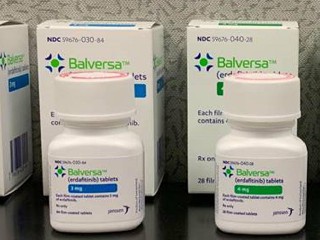
Erdafitinib is an oral small molecule targeted drug that is an FGFR (fibroblast growth factor receptor) inhibitor. It is mainly used to treat patients with locally advanced or metastatic urothelial cancer who carry FGFR gene mutations or rearrangements. The drug achieves its therapeutic purpose by inhibiting the FGFR signaling pathway and blocking the proliferation and survival of tumor cells. However, as a targeted drug, erdafitinib may also cause a variety of side effects while exerting its efficacy. This article will systematically introduce the common side effects of erdafitinib and its scientific response strategies to help patients and medical staff better manage the treatment process.
1. Common side effects and manifestations of erdafitinib
1.Hyperphosphatemia
The most typical and frequently occurring side effect of erdafitinib is hyperphosphatemia. FGFRInhibitors can affect the reabsorption of phosphorus by the kidneys, leading to an increase in serum phosphorus concentrations. Hyperphosphatemia may be asymptomatic, but in severe cases can cause soft tissue calcification, renal impairment, and cardiovascular problems. Patients need to regularly monitor blood phosphorus levels after taking the drug, and if any increase is found, they should be dealt with promptly.
2.Ocular toxicity
Eye-related side effects include dry eye syndrome, blurred vision, corneal ulcers and even retinopathy. FGFRInhibitors have certain toxicity to corneal cells and may cause ocular surface damage. Some patients experience vision loss or eye pain and need to seek medical examination promptly to avoid permanent damage to their vision.
3.Skin reaction
These include rashes, dryness, itching, and hand-foot syndrome. Skin symptoms are usually mild to moderate, but some patients may experience significant discomfort that affects their quality of life. Skin side effects often occur in the early stages of treatment and require close attention and active intervention.
4.Digestive system symptoms
Diarrhea, nausea, vomiting and stomatitis are more common. Most patients have mild symptoms, but some patients may suffer from severe dehydration or malnutrition and require appropriate symptomatic treatment.
5.Other side effects
Including fatigue, loss of appetite, hematological abnormalities (such as anemia, leukopenia), hypertension, etc. Some side effects may be related to the patient's primary disease and concomitant medications, and require comprehensive evaluation.
2. Monitoring and preventive measures for side effects
1.Regular laboratory inspections
Serum phosphorus, electrolytes, kidney function, liver function and blood routine should be tested regularly before medication and during treatment. Blood phosphorus level is particularly important. It is usually recommended to test it 2-4 times a week and adjust the treatment plan in time.
2.Eye examination
It is recommended that patients undergo a comprehensive eye examination before taking the medication and review it regularly during treatment. Once vision changes or eye discomfort occur, the drug should be discontinued or the dose should be adjusted immediately, and the help of an ophthalmologist should be sought.
3.Skin care
Patients should keep their skin clean and moist, avoid irritating skin care products, and wear loose clothing. When rash or itching occurs, topical corticosteroids or antihistamines may be used to relieve symptoms.
4.Dietary adjustment and supportive treatment
For hyperphosphatemia, patients should limit their intake of foods high in phosphorus, such as dairy products, nuts, and processed foods containing phosphorus additives. When diarrhea is severe, water and electrolytes should be replenished, and antidiarrheal drugs should be used if necessary.
3. Strategies for coping with side effects
1.Management of hyperphosphatemia
Mild hyperphosphatemia can be relieved by dietary control and oral phosphate binders. In severe cases, erdafitinib treatment needs to be suspended, and the drug can be resumed after serum phosphorus returns to normal, and the dose should be adjusted appropriately. Some patients may need combined calcium or vitamin Dtreatment.
2.Response to ocular toxicity
Patients with abnormal vision or eye pain should stop taking the drug as soon as possible and receive professional ophthalmic treatment. Corneal ulcers need to be treated with topical medication to avoid light stimulation. Some cases require long-term follow-up to prevent permanent damage to vision.
3.Skin side effects treatment
Depending on the severity of symptoms, topical medications, oral antihistamines, or short-term systemic corticosteroids may be used. People with severe hand-foot syndrome may need to suspend medication until symptoms subside before resuming.
4.Other symptom management
Fatigue and loss of appetite require enhanced nutritional support and rest. In the event of hematological abnormalities, blood transfusion or growth factor support treatment may be given as appropriate. Patients with hypertension should monitor their blood pressure and adjust antihypertensive medications if necessary.
4. Medication precautions and safety tips for patients
1.Take medication as directed by your doctor
Patients must take erdafitinib strictly according to the doctor's instructions and avoid stopping the drug or adjusting the dosage on their own. Good communication should be maintained during medication and any abnormal symptoms should be reported promptly.
2.Regular review
Cooperate with doctors to conduct regular laboratory and imaging examinations, monitor changes in drug efficacy and side effects, and adjust treatment plans in a timely manner.
3.Lifestyle adjustments
Patients should maintain a healthy diet, avoid high-phosphorus foods, drink plenty of water, protect their skin and eyes, take appropriate rest, and increase their physical strength.
4.Emergency handling
If you have symptoms of severe allergic reaction, sudden loss of vision, severe bleeding or infection, you should seek medical attention immediately and seek professional help.
As an effective drug for the targeted treatment of urothelial cancer, erdafitinib has significant advantages in improving patient survival and quality of life. However, its side effects are diverse and complex, especially hyperphosphatemia and ocular toxicity, which require great attention. Through scientific monitoring, active prevention and reasonable treatment, most patients can safely tolerate treatment. Close cooperation between patients and the medical team to jointly manage side effects is the key to ensuring successful treatment.
Reference materials:https://www.drugs.com
xa0
[ 免责声明 ] 本页面内容来自公开渠道(如FDA官网、Drugs官网、原研药厂官网等),仅供持有医疗专业资质的人员用于医学药学研究参考,不构成任何治疗建议或药品推荐。所涉药品可能未在中国大陆获批上市,不适用于中国境内销售和使用。如需治疗,请咨询正规医疗机构。本站不提供药品销售或代购服务。


