
.jpeg)
What is the longest resistance time to amivantamab and the strategies to deal with it after resistance?
Amivantamab (Amivantamab) is a dual-target drug targeting EGFR and MET Bispecific monoclonal antibodies are mainly used to treat patients with non-small cell lung cancer carrying EGFR exon 20 insertion mutations. Clinical data show that the average progression-free survival (PFS) of patients with evantumumab is approximately between 8 and 12 months. The specific resistance time varies depending on individual differences, tumor load and genetic background. Some patients may experience longer remissions, but most eventually develop drug resistance.
The resistance mechanism of evantumumab is relatively complex, mainly including the escape of tumor cells from the EGFR or MET signaling pathways, activation of downstream pathways, and changes in the tumor microenvironment. For example, tumors may escape drug inhibition through secondary mutations, activation of bypass pathways, or overexpression of receptors, resulting in weakened or even ineffective treatment effects. In addition, tumor heterogeneity also exacerbates the problem of drug resistance, making it difficult to control the disease in the long term with a single targeted therapy.
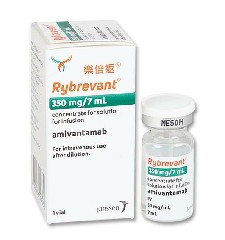
A variety of clinical strategies are usually adopted to combat evantumumab resistance. The first is to adjust or combine other targeted drugs, such as ALK inhibitors and third-generation EGFR-TKI< based on the genetic test results. span> (osimertinib), etc., in order to overcome the resistance mechanism; the second is to combine chemotherapy, immunotherapy or radiotherapy for comprehensive treatment to improve the therapeutic effect; the third is to consider new drugs or combination regimens in clinical trials after the drug resistance is clear, and strive to extend the patient's survival and quality of life.
Future research on evantumumab resistance will focus on in-depth analysis of the molecular mechanisms of resistance, development of new drugs targeting the resistance mechanism, and exploration of multi-target combination treatment strategies. In addition, dynamic monitoring of patients' genetic mutations and tumor microenvironment changes can help early detection of signs of drug resistance and timely adjustment of treatment plans. Clinicians should formulate individualized post-drug resistance management plans based on the patient's specific conditions and the latest research progress to achieve precision medicine.
Reference materials:https://www.drugs.com
[ 免责声明 ] 本页面内容来自公开渠道(如FDA官网、Drugs官网、原研药厂官网等),仅供持有医疗专业资质的人员用于医学药学研究参考,不构成任何治疗建议或药品推荐。所涉药品可能未在中国大陆获批上市,不适用于中国境内销售和使用。如需治疗,请咨询正规医疗机构。本站不提供药品销售或代购服务。


